
 After enduring winter’s fog obscuring our mountains, I rejoiced to see the sun rise over the Alps and Lake Geneva. Though daffodils dance with the promise of spring, people remain oppressed.
Our resplendent view clashes with the darkness in our hearts, as we face a relentless enemy. As if it blew in overnight, coronavirus swept across the land leaving silence in its wake. No birds chirp in the gardens, no planes fly overhead, no cars rumble in the distance.
We live in a bucolic village outside Geneva Switzerland at the crossroads of the globe only 2 minutes from France, an hours drive from Germany, 3 to Italy. But right now no one travels beyond the block.
How could we not see what was happening?
When the coronavirus invaded our neighbor Italy, we continued daily routines. We didn’t know anyone who was sick. Weren’t symptoms mild? Weren’t only the elderly and infirm at risk? We lied to ourselves “I am healthy, I am robust, I am not that old.”
Meanwhile coronavirus crept into our communities.
Ten days ago, President Macron rang alarm bells urging French people to stay home to protect our most vulnerable.

Champs-Elysées, Paris, March 20th 2020
The following day, Swiss authorities enforced the same protocol. One by one European countries followed suite closing borders, shutting schools, and urging employees to work from home.
Like vultures swooping down on prey, people ravaged grocery shelves stocking up for the siege and stormed pharmacy stock for hand sanitizers, gloves, masks, pain killers. Worse yet, medical staff faced shortages.
Even so, many others still ignored warnings and continued to party in crowds at parks, cafes, night clubs spreading disease with every encounter.
So governments mandated more restrictions. Overnight, France turned into police state. Officers fined citizens 135 euros ($150) for leaving their homes without a warrant.
For first time since WWII, Switzerland deployed troops to help transport supplies and patients from overflowing hospitals. In Ticino, the Italian speaking part of Switzerland, no beds remained. ICU patients in Alsace region had to be airlifted to other parts of France.

Warning signs in Swiss train station
Infections doubled daily, death rates climbed.
Did we do too little too late?
Citizens learned a new vocabulary – Covid-19, containment, mitigation, social distancing, flatten the curve.
And changed cultural customs. No hand shaking, cheek kissing, bear hugging. No funerals, no weddings, no family gatherings. Grandparents can no longer babysit children. Family members not living in the same house can’t meet up. With no entertainment, no social gatherings, no sporting events, we grumbled about the very restrictions that may safe keep our lives.
As free floating anxiety reigned across the land, our lives are stripped to bare necessities — food, water, air.
Tick tock. Tick tock. Italians cried, “Heed our warnings!”
Are we listening?
Who will be next?
Is this the new normal?
Instead of turning inward in self-pity, we need to look outward.
How can we support the overworked medical personnel?
What can we do to help the poor and homeless survive?
How can we reach out to struggling neighbors?
Who can we do to lift someone up today?
 As if sucking air through a straw, I gasp, my trachea burns, my lungs compress and I can’t breathe.
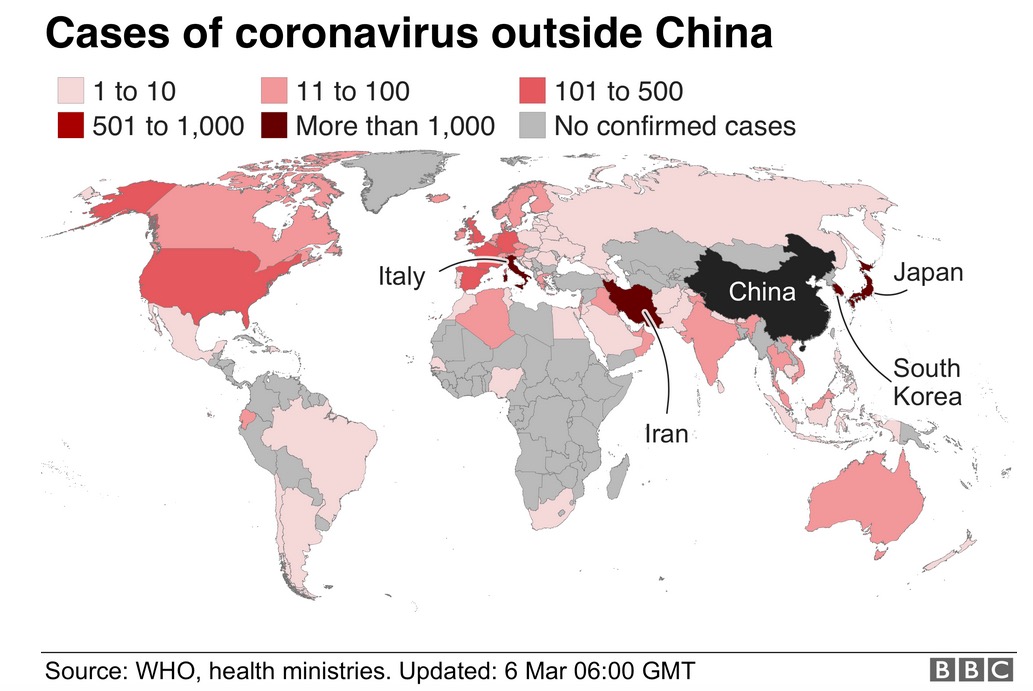
 In Switzerland when we first heard reports of the coronavirus in China, we only half listened, but when our neighbor Italy announced outbreaks, we were all ears.
 His book,
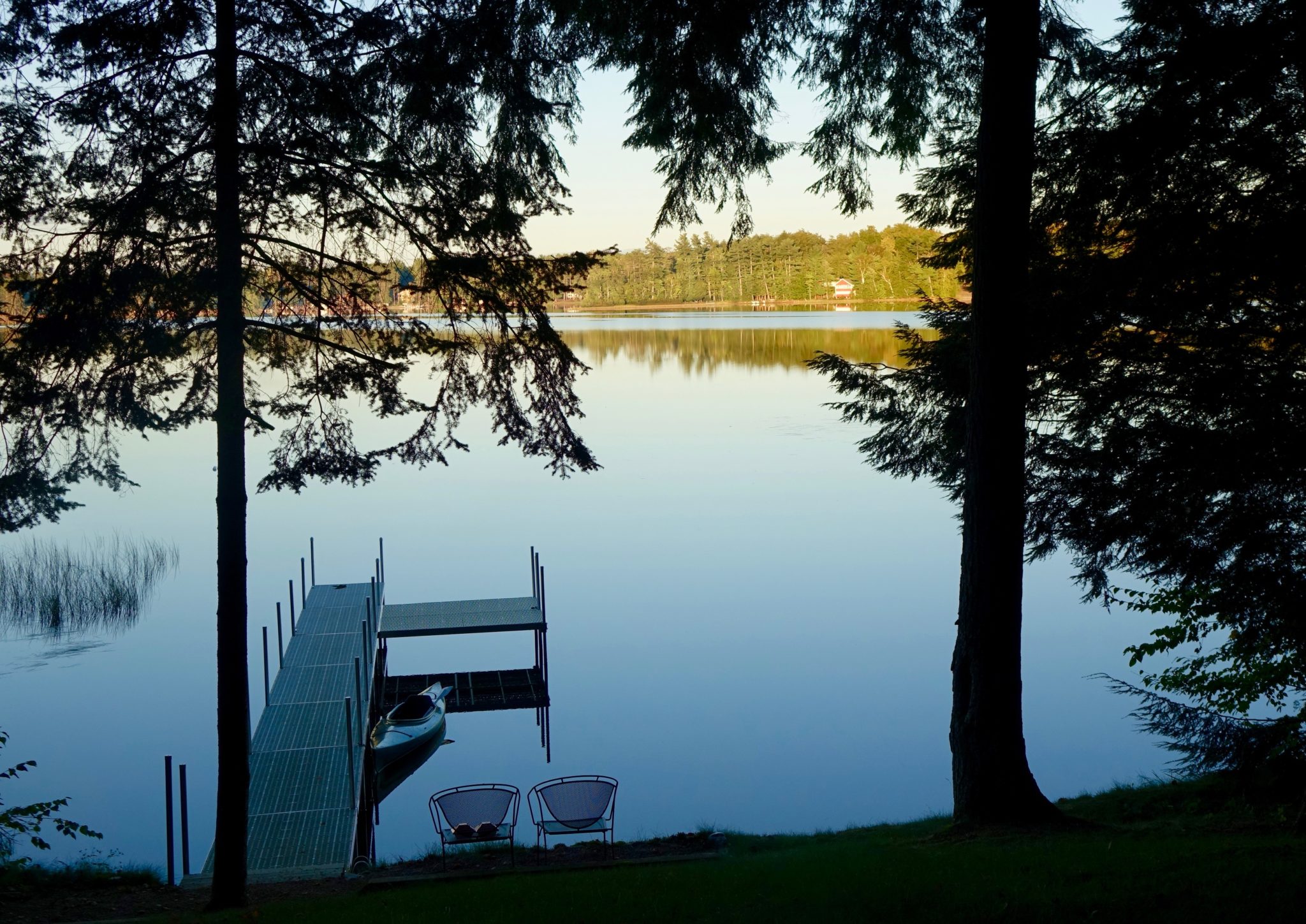
 We used to be the only cabin on our side of the lake and I liked it that way, but when people built cottages next door, I discovered Summit Lake’s beauty magnifies when shared.
 The lake ‘hood children have grown up becoming doctors, nurses, plumbers, firemen and teachers. If the “kids” were ever Up North at that same time, we would have a “cabin” town of skilled professionals to cope with any illness, injury, wildfire, flooded basement, or backed up toilet.
 boat.
boat.


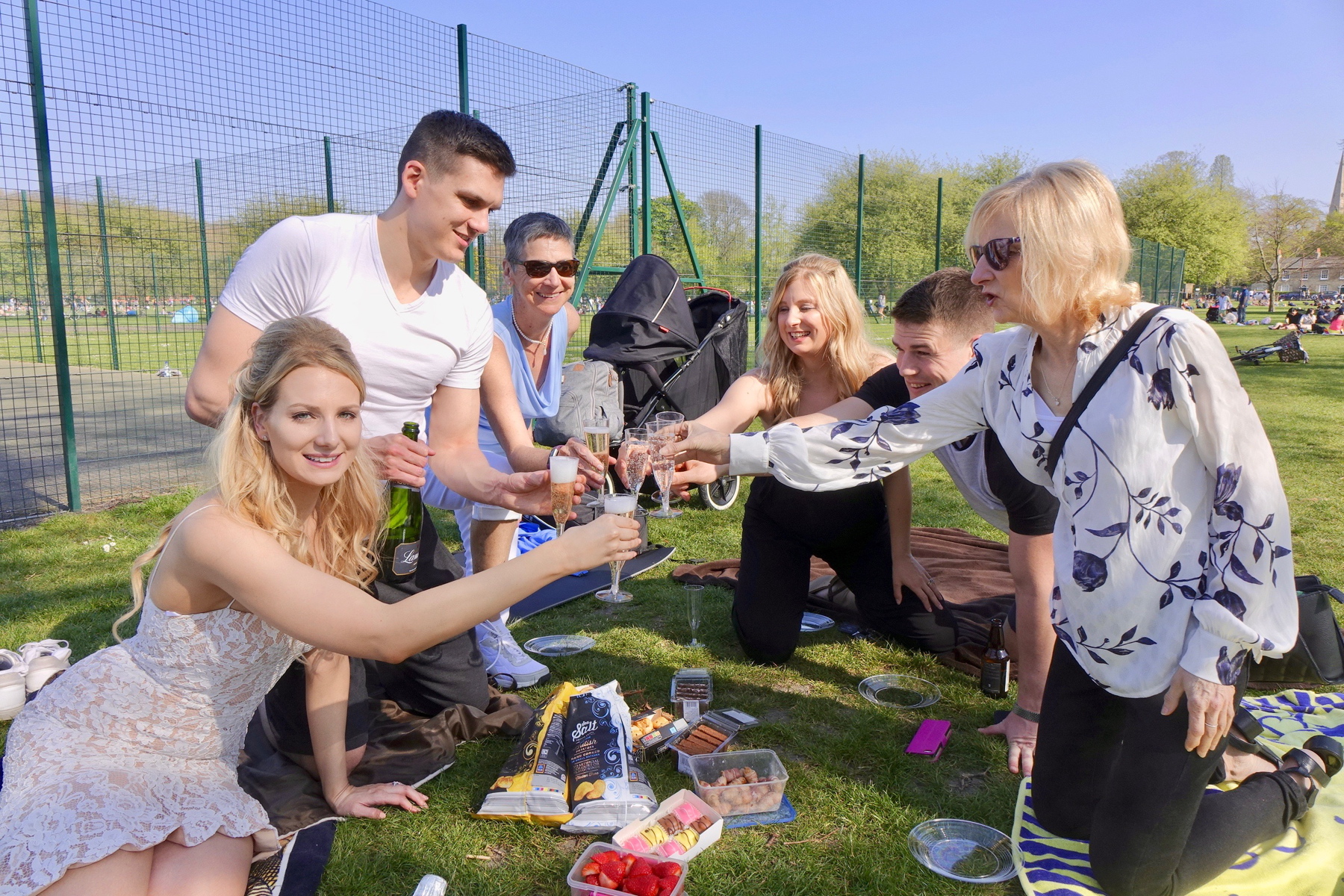
 When my son’s British fiancé told us we were celebrating their engagement by going punting in Cambridge, I imagined kicking the pigskin around a ballpark. But the English don’t play American football. Then I thought it must have something to do with rugby, as her brother-in-law is an avid rugby man.
 A person navigates by standing on the till (known as the deck) at the back, not paddling, but poling. It looks easy. It’s not. Imagine trying to propel a dozen hefty passengers forward by pushing off the river bottom with a pole vault stick.
 “On your right is St. John’s,” our guide said, “one of the oldest and most celebrated colleges in Cambridge.”

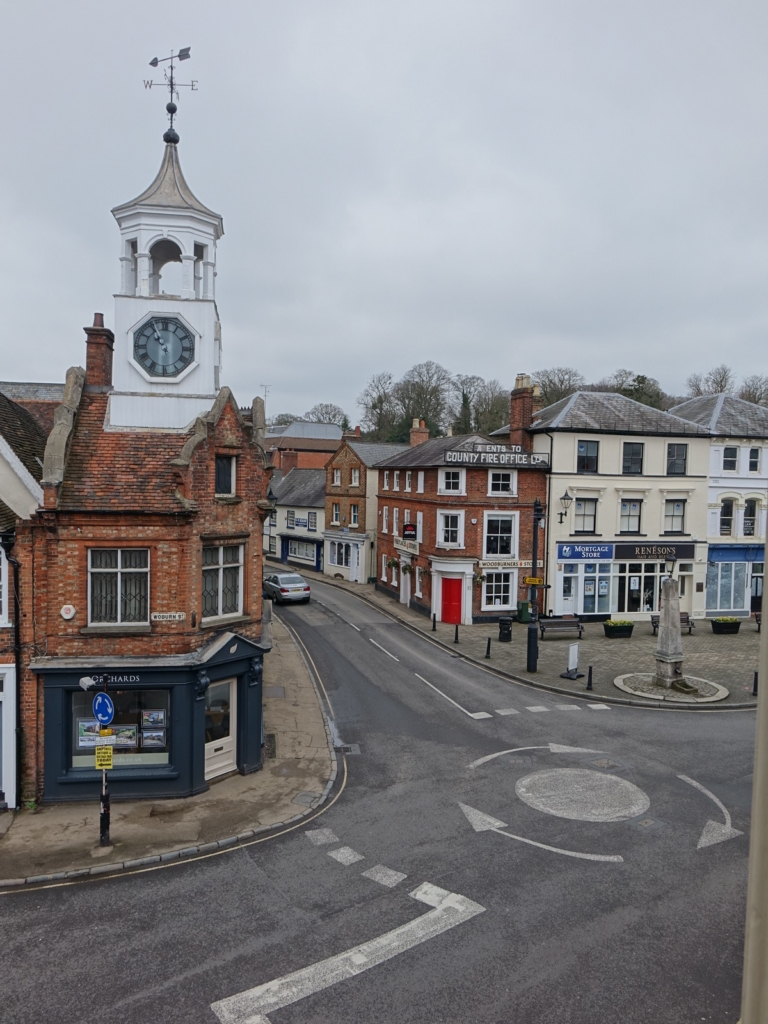

 On the square across from the clock tower, the Queen Anne style White Hart, built on a Tudor foundation, remains the soul of the Georgian market town dating back to the 11th century. The hotel’s name, Hart, a term for stag used in medieval times, represented the most prestigious form of hunting. Royalty from London tracked these animals in the woods around Ampthill, a day’s carriage ride from the city.
 The hotel, which over time withstood raids, conflicts and fires, has been restored in the style of an old coaching inn. The front door opens to the bar where cozy tables fill nooks like in a traditional pub, while the back rooms serve as dining areas. The former stables, now a dining hall, accommodate groups for banquets and receptions.