I was excited as a two-year-old to take my first walk in wellies across the beautiful British countryside (I am easily amused.) Wellies, the symbol of British culture, reflect the lasting legacy of the Duke of Wellington and the term carries a sense of tradition, practicality, and British identity.
Wellies, aka. Wellington boots, date back to the 18th century. Arthur Wellesley, 1st Duke of Wellington, enlisted his shoemaker to modify a military Hessian boot. Originally designed for battle, wellies were later used by farmers and outdoorsmen.
In the early 19th century, they became a staple of practical foot wear for the British aristocracy and middle class and a popular choice for various occasions, including evenings out.
“Everyone in England has a pair of wellies, “Larissa explained. “In the UK, the public has the right away to cross the fields. It’s known as Public Bridle Way.”
When our son, Nic, bought me a pair, I thought they looked so chic that I could wear them as dress boots, which many people do these days. Wellies evolved from being purely functional to becoming fashionable accessories with many brands offering trendy designs, colors and styles.
“Don’t you have wellies in the US?” my British daughter- in-law asked surprised at my exuberance.
“In the Midwest, we swap out tennis shoes directly for winter boots,” I said, “Only thing close to your wellies was the clunky, buckle up galoshes we wrestled on over shoes in grade school.”
 The British waterproof gumboots are usually made from rubber or PVC. Traditionally Wellies come in black, olive green, tan color or print and hit just below knee level.
Walking in wellies looks simple, but it takes dexterity. Larissa’s family maneuvered the rough terrain far better than me or Gerald. Could advancing in gumboots be skill passed down from one generation to the next?
Fortunately, before we left home, Larissa advised, “Wear heavy socks to prevent blisters.”
“Slip your orthopedics inserts in the boots,” Nic, the chiropractor added. “It may help your back.”
Nothing helped my spine; I winced every step forward. The UK family, even Lari’s sister lugging her ten-month-old child in a baby carrier, glided across the uneven terrain gracefully. I lumbered along behind, as if on two left feet, stumbling every step of the way.
Wellies, designed to protect feet from getting muddy or wet in damp environments, are the quintessential symbol of British footwear. To the non native, they feel awkward and offer little support for someone with like me with crooked toes, poor balance and a bad back.
 Today's wellies, with varied color options and patterns, permit people to add personal style to functional footwear. They can be paired to match every outfit and occasion.
But no one wears wellies with greater style and aplomb than five-year-olds. Larissa and Nic’s nephew mastered the skill. In his “dinosaur” wellies, with a jagged flap along the spine of boot, he galloped ahead, circled back and jumped in every puddle along the way.
For me, slipping on a pair of “wellies,” sloshing along the sublime English countryside and singing with our UK side of the family made me feel like a kid again.

 For me, a seasoned traveler having lived abroad nearly half a century, air travel has never been more challenging. Especially internationally. Especially for mixed nationals.
 I searched for more documentation to permit our authorization to board the plane. International travelers never go to a airport anywhere on the planet without the mandatory paperwork. (ie.birth certificate, marriage license,US tax payment proof, children’s birth records, COVID vaccination card)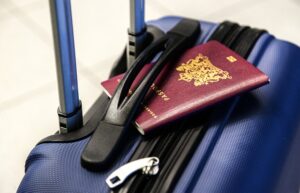
 I dashed back through the terminal and smashed into my husband racing toward me.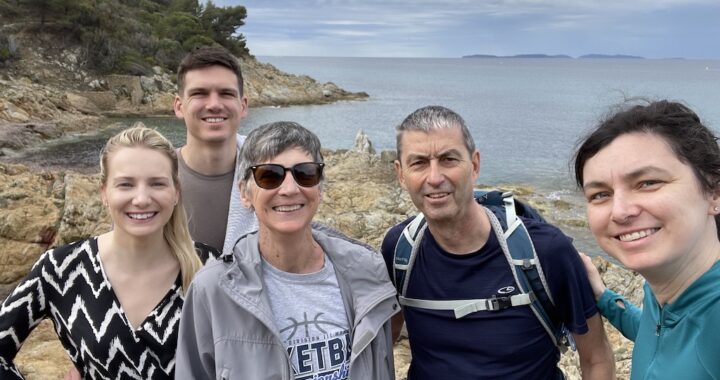
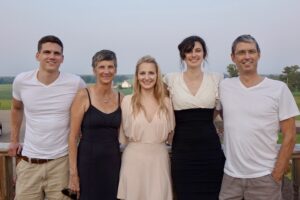
 Family reunions across state lines may seem difficult, but imagine the complications trying to unite international ones like mine, living in 3 different countries. It is never easy for a French-Normand father and Norwegian-American mother sans home, in a mountain hut in Switzerland to meet up their Franco-American kids.
 Ukrainian woman and moved to the countryside near Warwick, England. Recently, we united on the glamorous French Rivera. Whenever we gather, it is magical!
 and daughter-in-law, Larissa, flew to Nice from England to be with us.
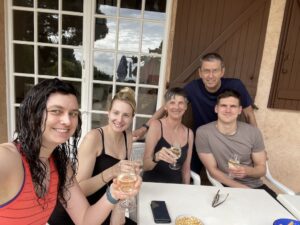 with risotto, the next night we enjoyed a rib of beef with green beans and Lari’s rosemary baked potatoes. The last evening, we dined on a giant sea bass in white wine and lemon butter.
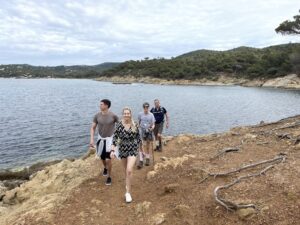 On sunny days, we hiked the rugged coastline, swam in the icy sea, read our Kindles and dozed on the beach.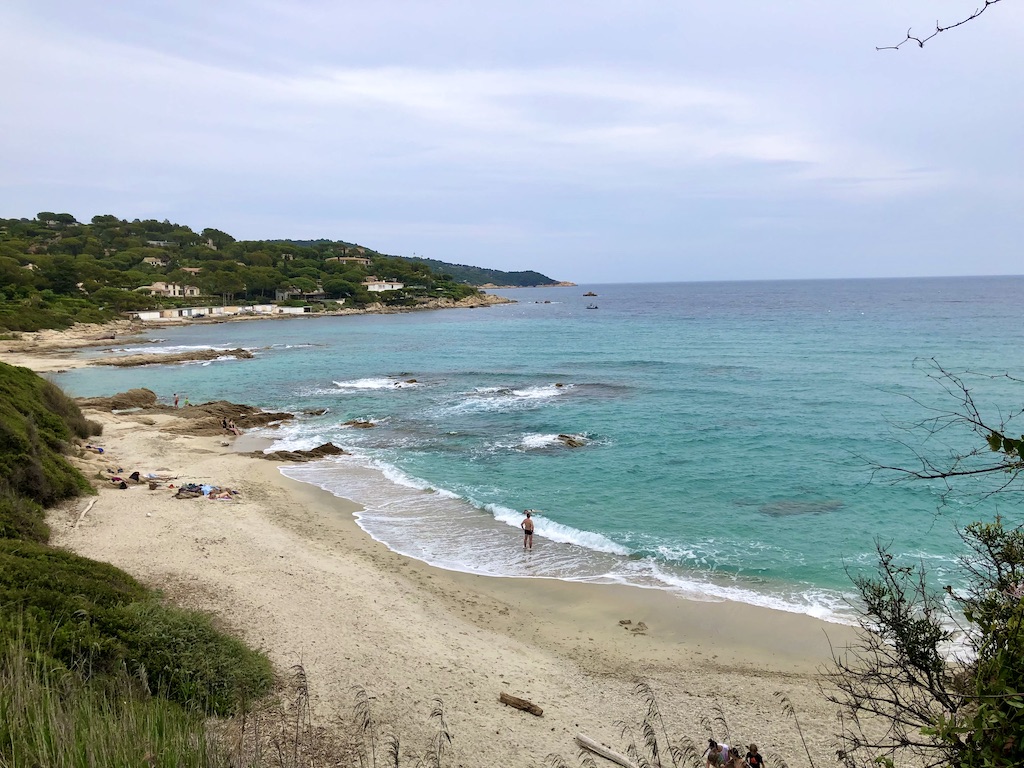



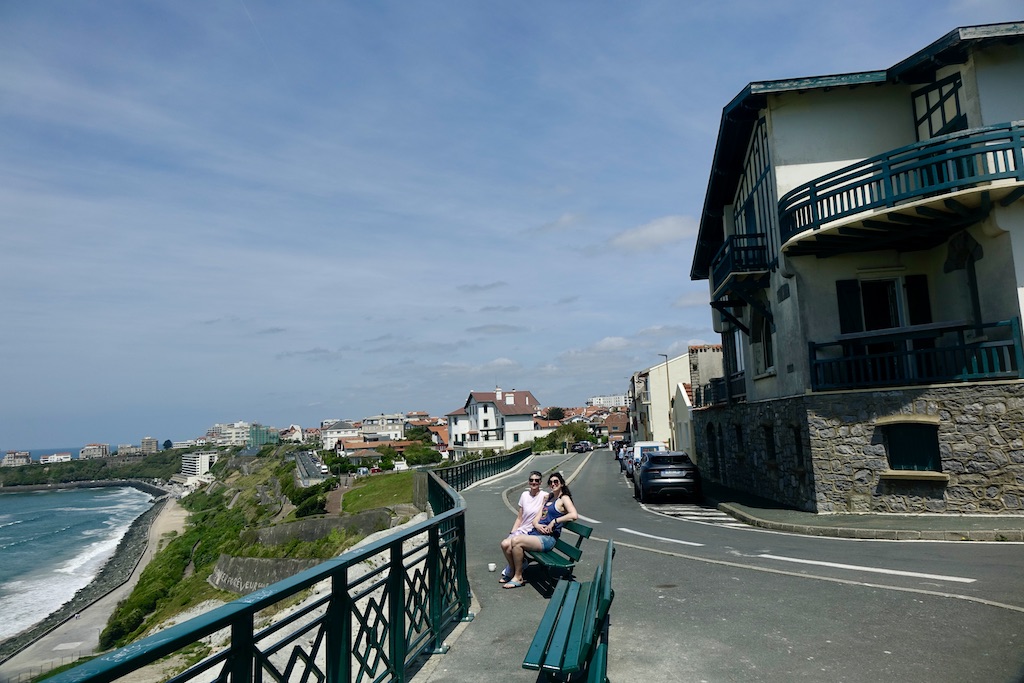

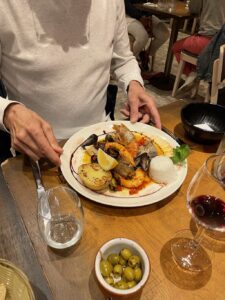 All the outdoor exercise whet our appetites, and there was no end to eateries along the coast and in the village.


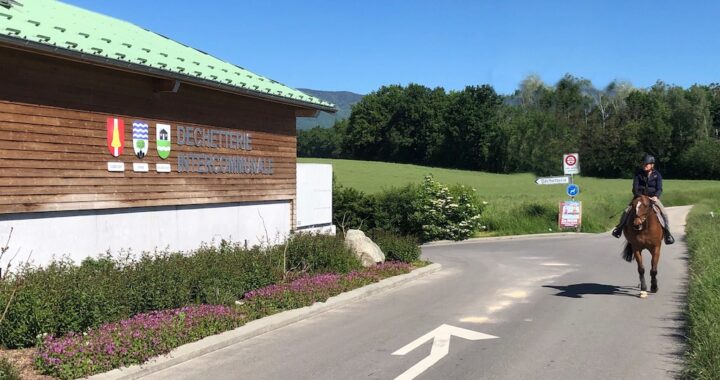
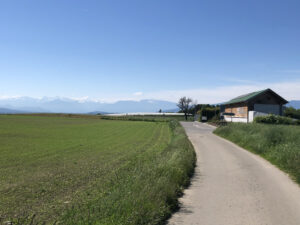 You would think after living in the world’s Most Tidy Country I would have adopted some of their clutter free lifestyle. Alas after residing in the same house in Switzerland for over 2 decades I have amassed a truck load of artifacts, books, T-shirts, photographs, medals, basketballs and other memorabilia.

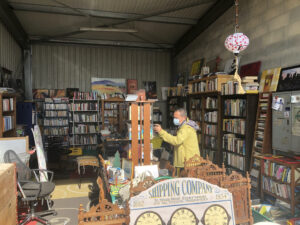 r living in a country so clean you could eat off the street, where wood piles are stacked as neatly as Jenga blocks and spotless garages contain nothing more than shiny new cars, I still wonder where the Swiss store junk?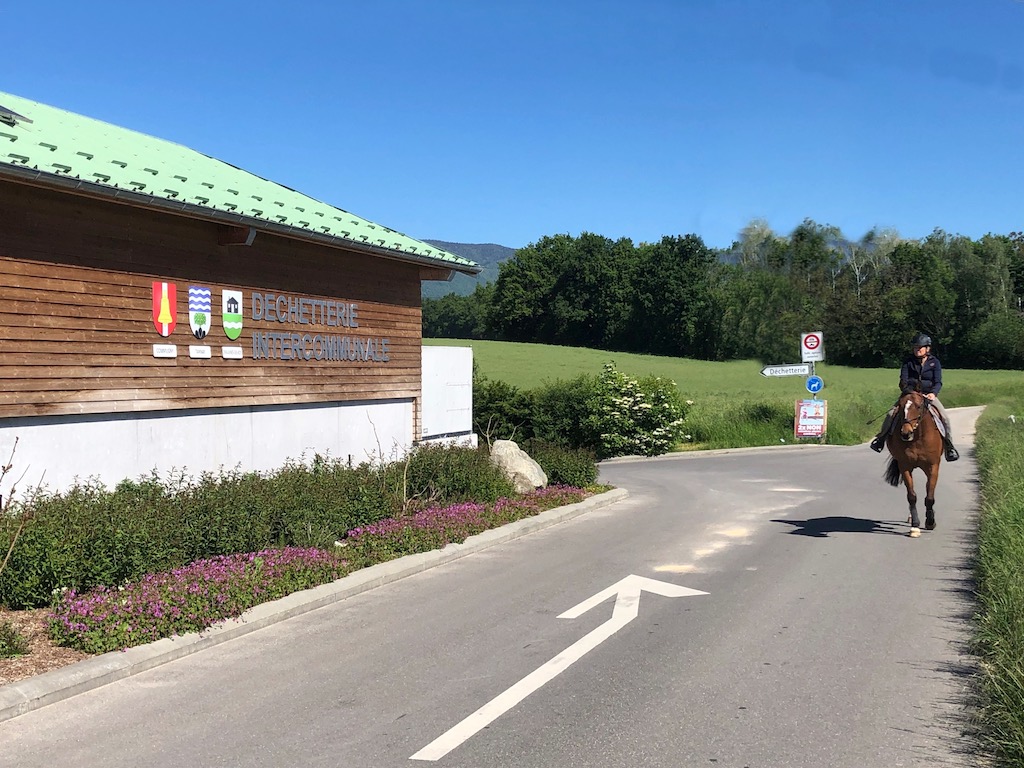
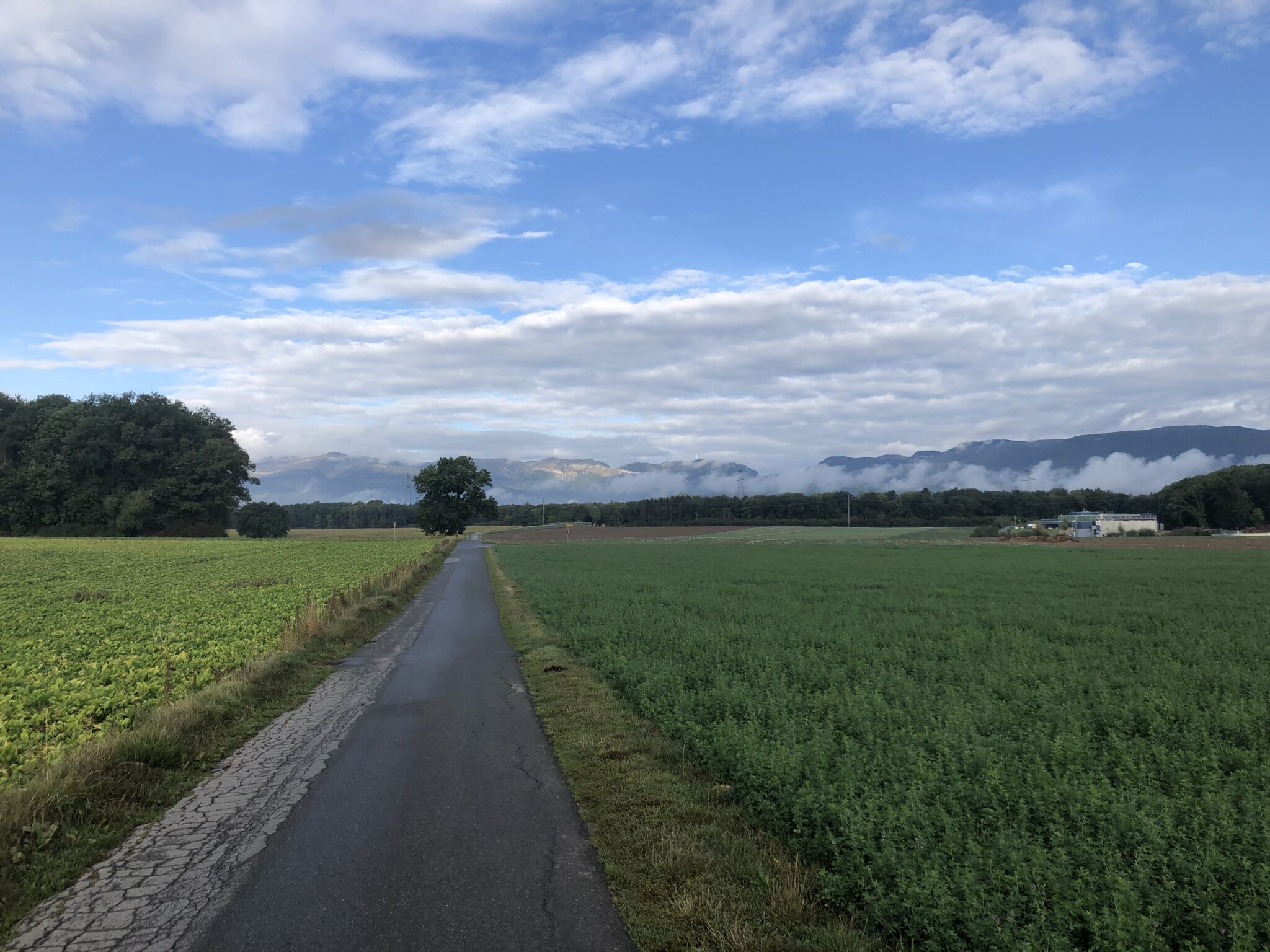
 As Covid rises around the globe, and holiday plans are derailed again, we wonder when we will be reunited with loved ones, but for expats living abroad, the pain of separation is magnified by distance. I ache to be with my family so much it feels like a limb is missing.