On the 1st year anniversary of my second life, I wonder where am I now? I still feel lost. A year ago, I remember standing in our living room, turning to my husband to ask a question, and then face planting on our tile floor.
Days later, I woke up in a hospital thrashing against my bed rail and shrieking “Let me out! What am I doing here?”
 My head hurt, my face hurt, my right side hurt. One side of my head was shaved. I reached up and traced the scar dissecting my skull from my forehead to my earlobe.
On the telephone, my husband tried to explain why my head was sliced open in a 5 hour surgery and why no one, not even him, was allowed to visit me due to the COVID pandemic.
And so began a long year filled with fear, self-doubt and hopelessness.
Recovery required a team effort - a neurologist, physical therapist, speech therapist, neuropsychiatrist, rheumatologist, chiropractor and psychiatrist.
But my front line family care team kept me going day to day.
At the same time 4,000 miles away, my 89-year-old dad fought a daily battle to keep moving.
Recently, he was released from the hospital after a series of health crises that created the perfect storm. Wearing a special therapeutic boot for an infected toe, he walked off balance, leading to sciatica. Unable to sleep due to excruciating pain, the combination of pain meds and lack of sleep led to hallucinations.
I relived my accident in hearing about his. Ever the coach, in his delusions, he called out, “Keep hustling team!” And shot a wadded up pillow at a wastebasket. Ever the athlete, in mine, I blamed the nurses for hiding my basketball shoes and stealing my uniform making late for the big game.
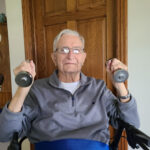 With my daughter, nieces, siblings and dear mom, helping him regain mobility and self care, my determined dad learned how to push out of his chair and walk unassisted again. Just like I once I relearned how to tie my shoes, grasp utensils, and button my shirt.
When I got out of hospital, I couldn't walk 60 yards without sitting down, now I walk 6 miles a day.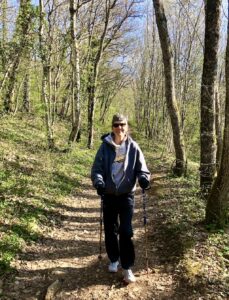
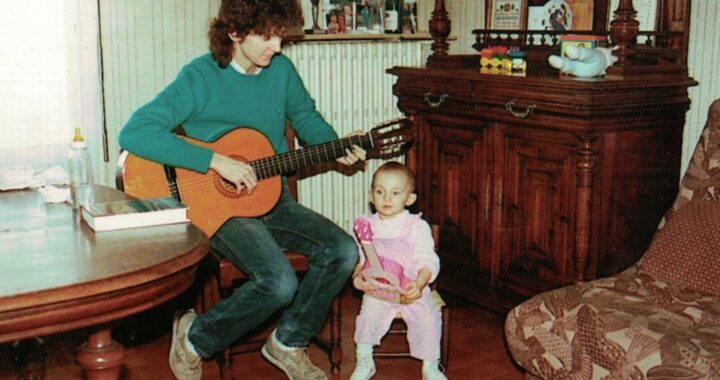
At first, I was so frustrated. I couldn’t grip my guitar and play chords with my left hand. My left arm hung limp like dead weight. Then Gerald told me about Melody Gardot, an American jazz singer, who was hit by a car while riding her bike at age 19.
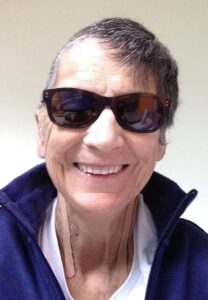
She suffered severe brain injury, broke her back and pelvis and could no longer sit to play the piano, so she taught herself to play guitar lying in her hospital bed. Like me, hypersensitive to light, Gardot, still wears dark glasses too.
Without a voice, no longer able to sing, she hummed. Unable to remember words, she wrote them down. Eventually she composed and performed again.
After my accident, intubation during surgery and hours with a speech therapist, my voice was a whisper. On long distance phone calls, I asked my daughter to sing with me like she did when she was a child. 
Inspired by Gardot’s story I picked up my old guitar, practiced in 5, 10, 15 minutes increments and hummed too. I dreamed of being able to strum and sing around a campfire with family this summer at Summit Lake.
Thinking about my dad and remembering my own accident, I am reminded of our vulnerability. No one knows how much time we have left. Or how long we will retain our capabilities.
The human condition is humbling.
Life offers no guarantees. Will I ever recover completely? Maybe not.
I may never drive again or ride a bike, but I can still play a song, type a blog, read a book, walk a mile and cherish a new day.
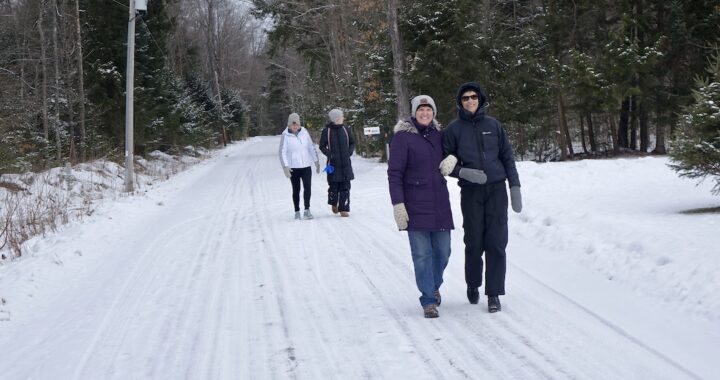
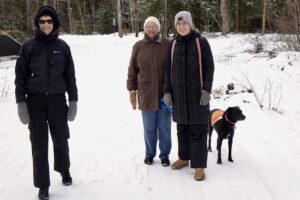 Remember when our mothers used to throw us out of the house commanding, “Go out and play!”: we spent the day climbing trees, making mud pies and inventing games.” Well, they were right all along. We grew strong, healthy and resilient.
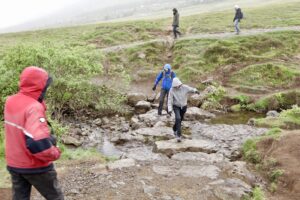 Not only does physical activity create new neurons, but exercise also strengthens the heart and blood vessels that supply oxygen to the brain helping you feel mentally alert.
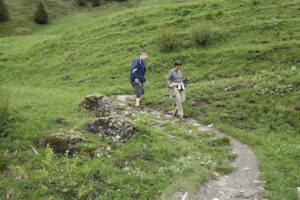 Not everyone, like the Swiss, enjoy the privilege of living in a mountainous and lake regions. Nor can everyone be located on coastal sea areas.
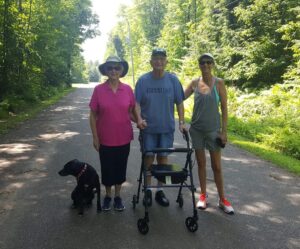 National and state parks and nature reserves abound across America. Even smaller communities boast of green space, like Sterling, Illinois where I grew up, which has 20 different parks, including a favorite Sinnissippi.
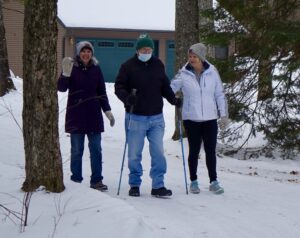 Those of us who can - must keep moving. My mom maintains her routine by taking steps for friends who no longer can. My dad keeps trudging along with his walker by setting daily goals to walk to the corner. And through diligent practice, I learned to regain balance, step forward without stumbling and swing my immobile left arm again after brain injury.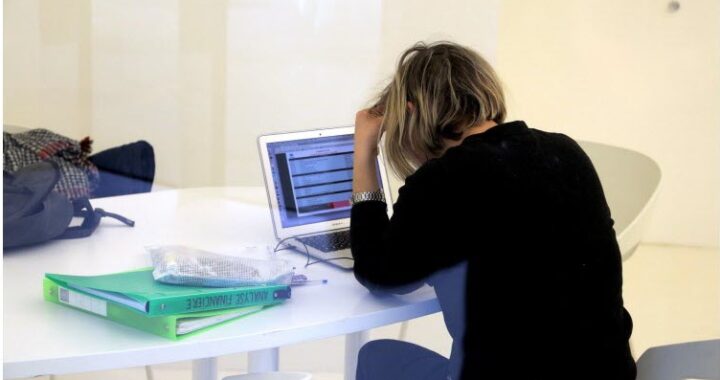
 Most people may need counseling especially these days due to the Covid-19 outbreak. Including me. One-third of the people suffering from brain injuries, like mine, develop major depression. Depression may be precipitated by genetics, circumstances, illnesses or unforeseeable and uncontrollable events. For example, the current world pandemic affects our mental health in ways we could never have imagined.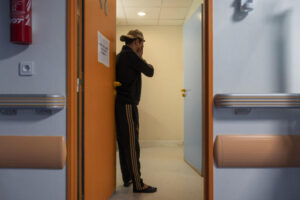
 One moment I was living my dream as a professional basketball player in Europe, driving past my opponent with perfect body control releasing the ball so gently it kissed the backboard. The next instance, I was spinning weightlessly through air when our car flipped off a 100 foot embankment into France’s La Meuse River leaving me clawing against an icy current.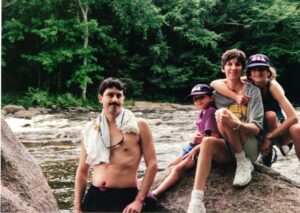
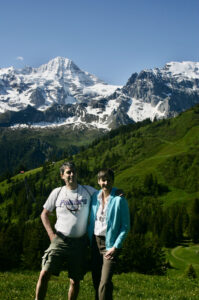
 I lived near the Eiffel Tower in Paris and at the foothills of the Alps on Lake Geneva. I stood on Mt. Blanc and the Acropolis in Athens. I rode horses on the beach in the Camargue and floated down the canals of Venice. I walked in the shadows of my forefathers at Scotland’s McKinzie Castle and along the Norwegian fjords of my Olson ancestors above the Arctic Circle.
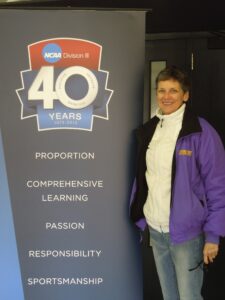 I wrote a book that led to an invitation to speak at the U.S. Senior National Games, an NCAA Final Four basketball banquet and commencement at the prestigious International School of Geneva, founder of international baccalaureate.
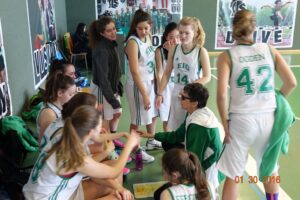 In the meantime, I keep fighting to go on, pulling up someone else, pushing another forward. After all my struggles, this much I know to be true. We are in the game together.

 Kamala Harris, lost the democratic nomination but won the ticket as Biden’s VP and broke the glass ceiling by becoming the 1st female vice president, 1st African-American and 1st Asian-AmericanVP. She inspired young girls everywhere to dream.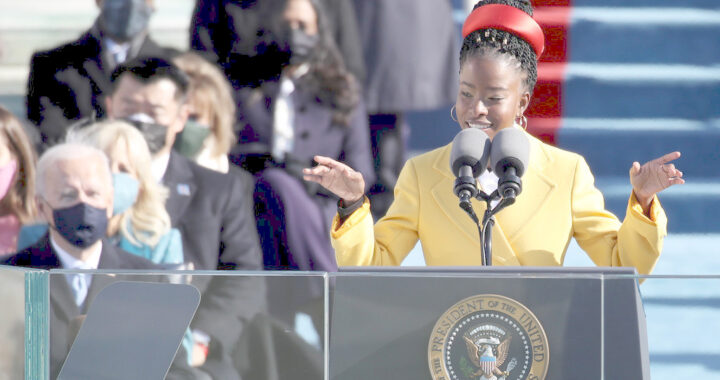
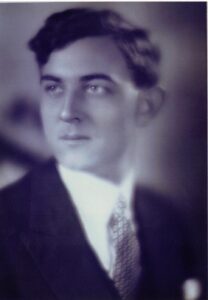 On a smaller scale, heroes exist within our own families. Like my maternal grandparents who came to America for a better life. When my Norwegian grandpa Gustav lost his job during the Great Depression, he walked to the Chicago Public Library everyday to read books because he always wanted to be educated but never had the opportunity.
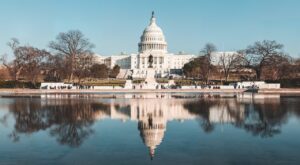 ur years under the leadership of this madman ended in this deplorable moment in our history, leaving American citizens shocked, appalled, humiliated and terrified. It degraded our image and lowered our status among other countries.
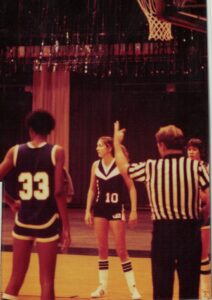 In my twenties I called it home, when I was a player for the professional basketball team, the
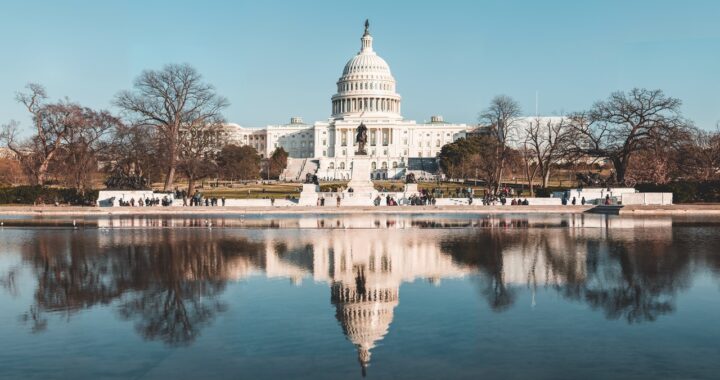
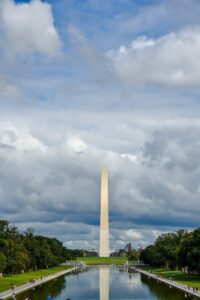 Long after I moved to Europe, DC remained imprinted in my heart - Fort Belvoir, a US Army base where we practiced, the DC Armory, the national guard training arena, where we played our games, and the Capitol Center where we toured. A kaleidoscope of memories collide warm family meals, heated basketball games, cozy jazz clubs in historic Georgetown, and landmarks of American history.
 Before an entire country can heal, we must begin with one person. Reach out. Get to know someone of another religion, race, culture, ethnicity and learn about their universe. What foods do they eat? What holidays do they celebrate? What language do they speak? What deities do they worship? What fears do they face of living in the USA? How can they be made to feel welcome here?