From the window of our son and daughter-in-law’s home in Warwickshire, England, I was admiring the red, brick barns and lush, green fields when suddenly a head floated past, just above their back hedge.
“I saw a ghost!” I screamed.
“No, that’s a real person,” Nic said. “C’mon, I’ll show you.”
Then he led us down a trail down the road from their home and we arrive at the Oxford Canal. I felt like I entered another time period. Narrow houseboats puttered along until jammed in traffic by ancient brick bridges with old fashioned locks every hundred yards.
On busy days pleasure boats floated up and down the canal. People congregated on the bridge shooting the breeze while waiting for next boat to go through the locks.
The rustic lock system, which allowed only a single boat passage, has changed little from the past  century. In the past, a boy riding a bicycle prepared or set locks ahead of a boat's arrival. Nowadays, the woman aboard, carrying the lock key, hopped off onto shore to open the gate letting the water rise or fall, while the mister stood at the stern manning the rudder bar.
The Oxford Canal, inaugurated in 1769, is one of England’s oldest. In earlier days, coal and limestone were transported cross-country along canals that followed the contours of the land. In yesteryear, horses pulled supply boats by trotting alongside the canal on the shoreline’s narrow dirt paths.
Four thousand, seven hundred miles of navigable canals and rivers cross the United Kingdom; two thousand seven hundred miles of these are part of the connected system. During the Industrial  Revolution, the canals system provided a commercial transport network until the the railways prevailed.
Narrowboats are usually built 6 feet 10 inches wide and a maximum length of 72 feet, because they must be under 7 feet wide and 75 feet long in order to fit into the lock.
Most of the old vessels, converted into houseboats, are now rented out for family holidays, but 8580 narrowboats are registered as 'permanent homes' on Britain's waterway system. Fifteen thousand Britons live their lives entirely on the water, and separate themselves from much of what defines the economy and life of the average British citizen. The boat people represent a growing alternative community living on semi-permanent moorings or continuously cruising.
 Only a sunny day, a carnival atmosphere prevails. I felt wistful watching the colorful boats parade past on the lazy canal. Whimsically, I imagined ditching real life and drifting down the canal without a care in the world.

 I was excited as a two-year-old to take my first walk in wellies across the beautiful British countryside (I am easily amused.) Wellies, the symbol of British culture, reflect the lasting legacy of the Duke of Wellington and the term carries a sense of tradition, practicality, and British identity.
 The British waterproof gumboots are usually made from rubber or PVC. Traditionally Wellies come in black, olive green, tan color or print and hit just below knee level.
 Today's wellies, with varied color options and patterns, permit people to add personal style to functional footwear. They can be paired to match every outfit and occasion.
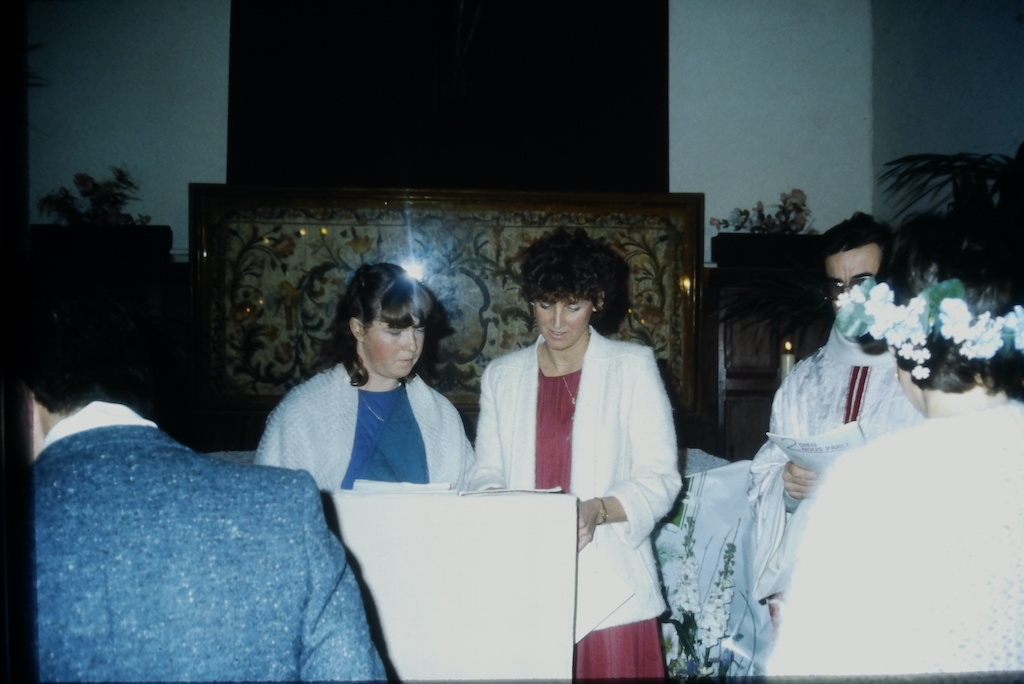
 Forty years ago on New Year’s Eve 1983, I said, “I do,” in a seventeenth century chapel in France, not far from the famous WWII Landing beaches. What are the odds of a small town girl from the cornfields of Illinois meeting a French boy raised by the sea in Normandy?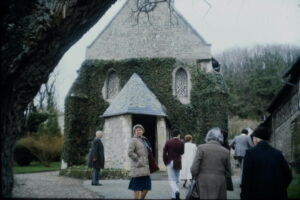
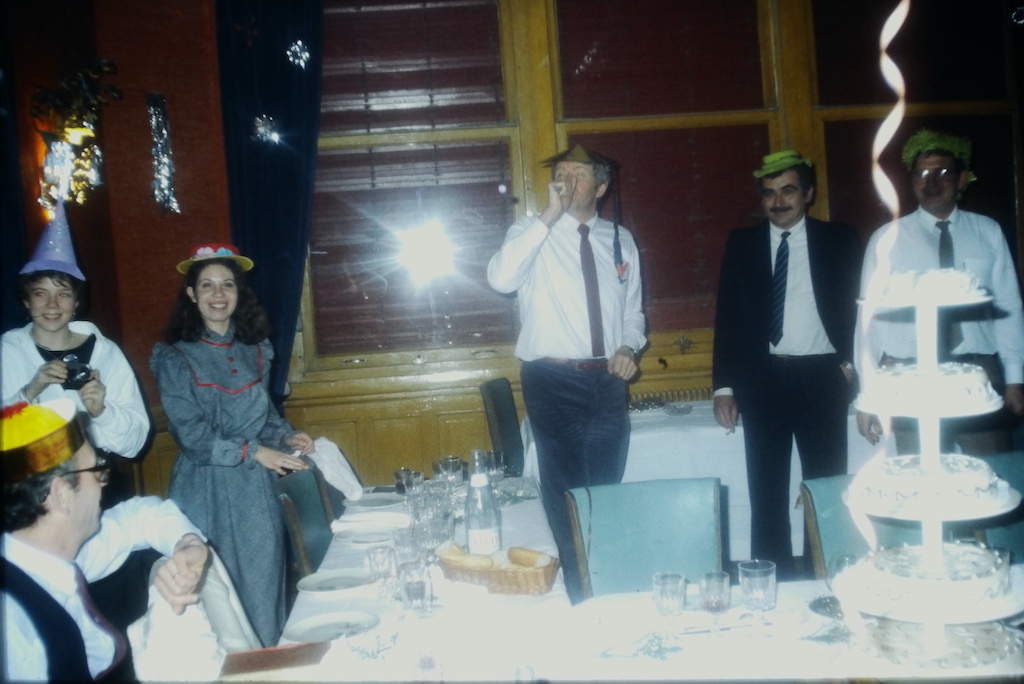
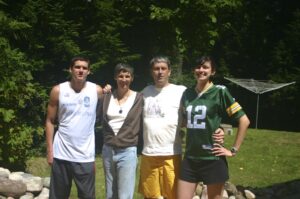 But our rewards were great; none greater than watching a bright, adventuresome daughter and a clever, witty son grow strong on basketball courts across Switzerland and go onto become doctors.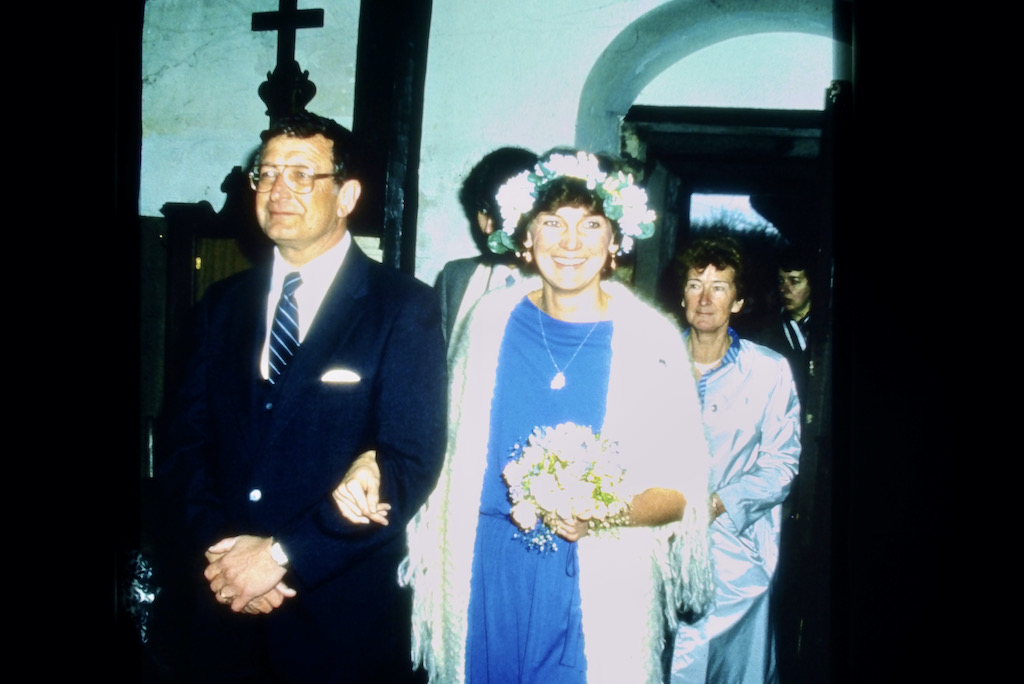

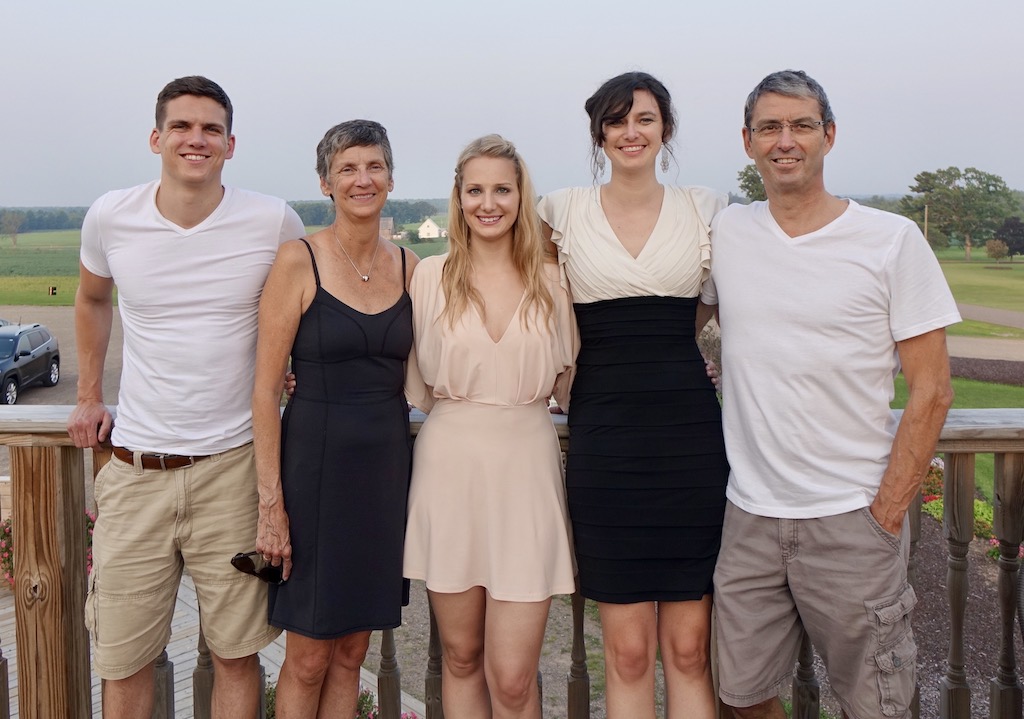
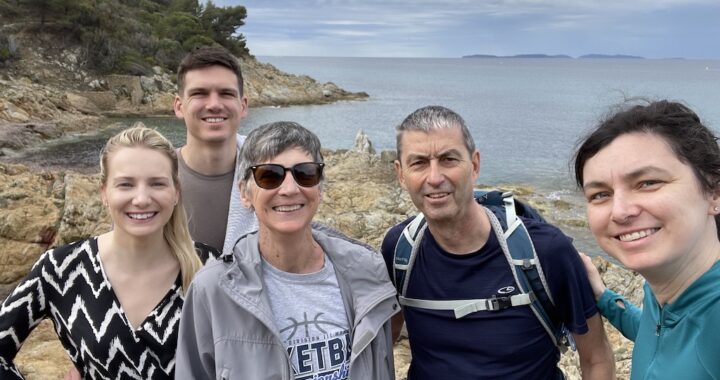
 Family reunions across state lines may seem difficult, but imagine the complications trying to unite international ones like mine, living in 3 different countries. It is never easy for a French-Normand father and Norwegian-American mother sans home, in a mountain hut in Switzerland to meet up their Franco-American kids.
 Ukrainian woman and moved to the countryside near Warwick, England. Recently, we united on the glamorous French Rivera. Whenever we gather, it is magical!
 and daughter-in-law, Larissa, flew to Nice from England to be with us.
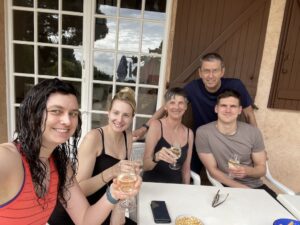 with risotto, the next night we enjoyed a rib of beef with green beans and Lari’s rosemary baked potatoes. The last evening, we dined on a giant sea bass in white wine and lemon butter.
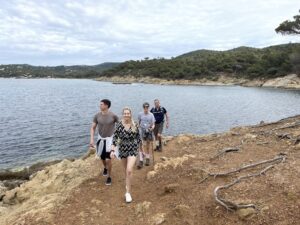 On sunny days, we hiked the rugged coastline, swam in the icy sea, read our Kindles and dozed on the beach.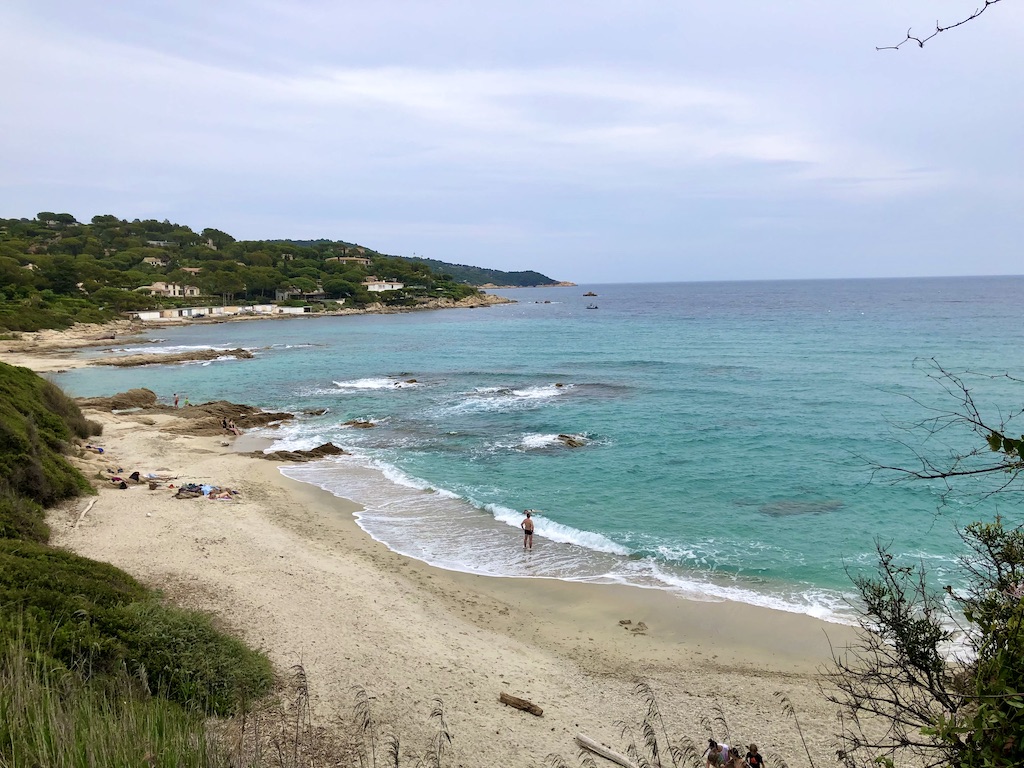

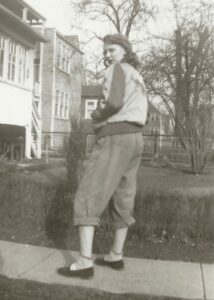
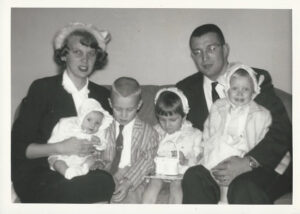



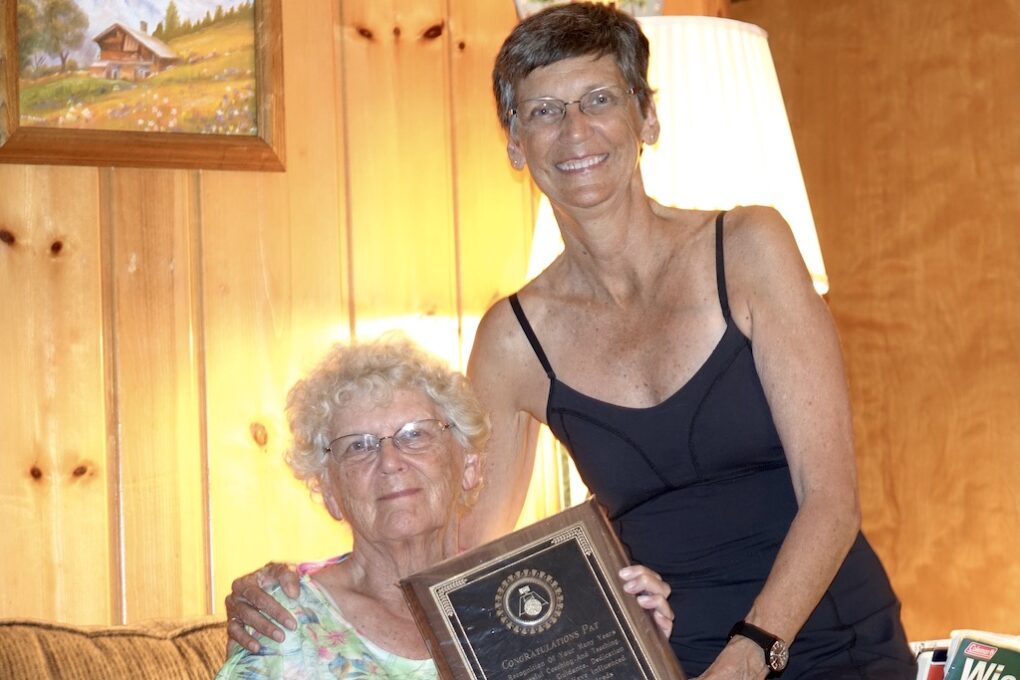
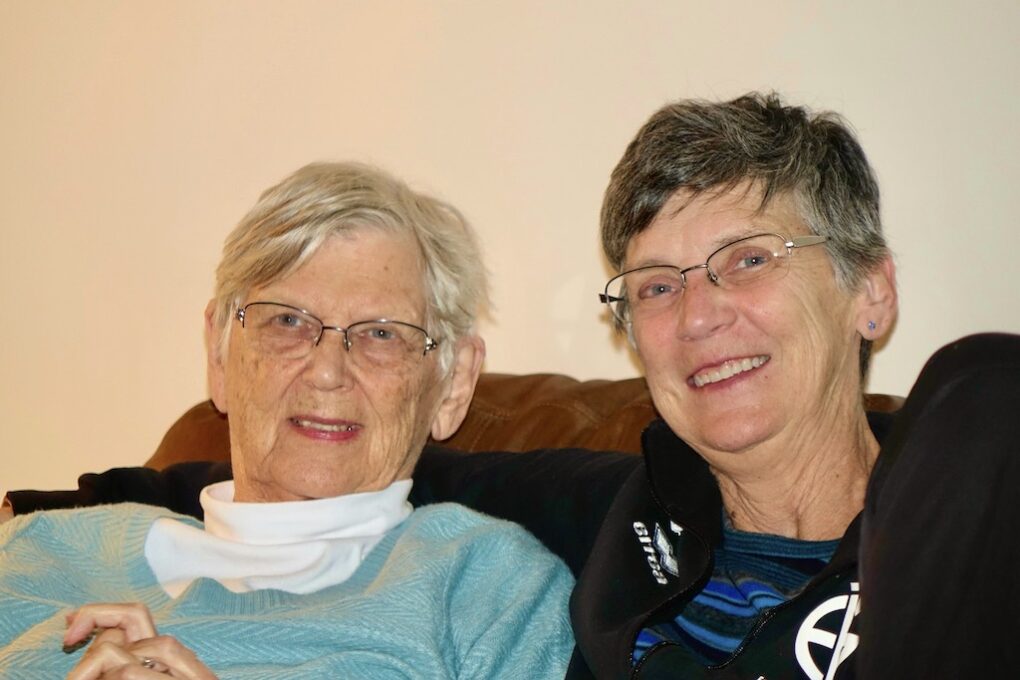

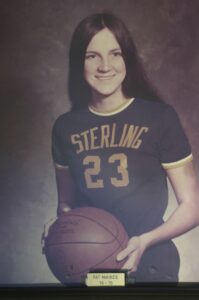 Many Sterlingites moved away from town, but like me still bleed blue and gold. Like a tattoo, our Sterling High School days remain ingrained in our hearts.