

My friend died last weekend. My heart is heavy. Christine was such a beautiful soul. Thoughtful, kind, warmhearted. Far too young to part already. She leaves behind 3 children - beautiful reflections of herself -whom I had the privilege of teaching.
Cancer crept up insidiously. She had shortness of breath. She felt run down.
Aren’t all dedicated teachers?
She left school one day for a doctor’s appointment; she never came back to class. Instead she went to war in the cancer ward. The diagnosis. The deception. The despair. The carnage. The crusade.
She fought her battle against leukemia so gallantly. After the first rounds of hospitalizations and chemotherapy, she went into remission. When cancer reared its ugly head again, she returned to battle. Her sister selflessly donated her bone marrow for a replacement. More hospitalizations. More isolation. More pain. More anxiety. More anguish.
How hard to believe you are getting better when your body weakens from the endless fight?
All that effort bought her a little more time before she succumbed to an infection that attacked her heart. Her heart. Her generous, loving heart.
Who among us has never lost a loved one to disease?
Cancer is especially cruel. It attacks the self. It can only be beat-sometimes just temporarily - by knocking out the immune system leaving the victim vulnerable to the very air breathed.
She left us with a bittersweet reminder we only have today. And treasured memories.
I have so many. She once baked my favorite carrot cake and brought it to our department meeting for my birthday. When I couldn’t drive, she picked me and took me to one of my retirement parties. Years later, wearing a knitted cap to hide her bald head, she swooped in to carry me off for coffee where we lamented our fight to survive.
After my brain surgery, I looked to her for inspiration. I saw how hard she fought with so much grace and dignity. I thought if she can prevail, so can I. And so we faced another day.
Until we didn’t.
Now she is no longer here. A good person gone too soon. I never had the chance to say goodbye.
She lent me books and lesson plans, shared smiles and stories, offered rides and meals. She gave me laughter and joy.
She brightened my days.
Now I mourn for her children, her husband, her sister, her parents, her colleagues and friends, all who feel her passing as an ache that will not subside.
I miss her already.
Rest in peace dear friend.
You left behind the best kind of legacy.
You were greatly loved.

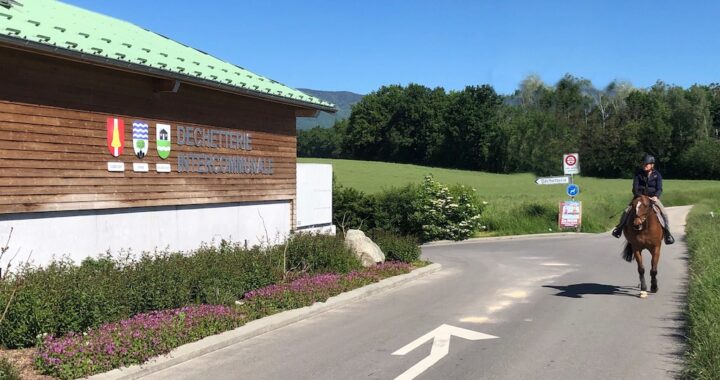
 You would think after living in the world’s Most Tidy Country I would have adopted some of their clutter free lifestyle. Alas after residing in the same house in Switzerland for over 2 decades I have amassed a truck load of artifacts, books, T-shirts, photographs, medals, basketballs and other memorabilia.

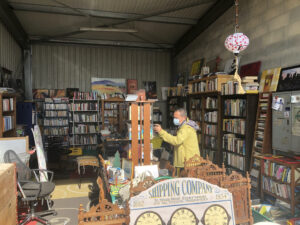 r living in a country so clean you could eat off the street, where wood piles are stacked as neatly as Jenga blocks and spotless garages contain nothing more than shiny new cars, I still wonder where the Swiss store junk?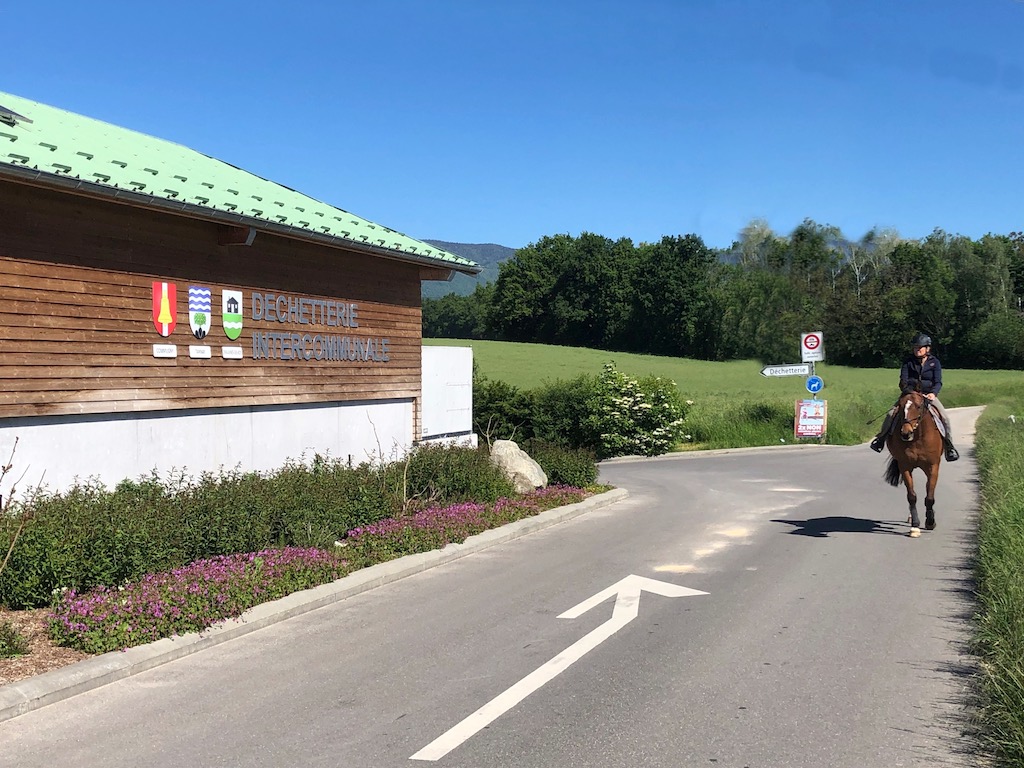
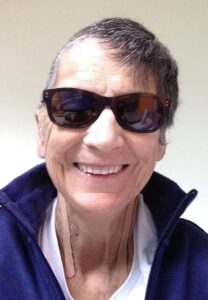 My head hurt, my face hurt, my right side hurt. One side of my head was shaved. I reached up and traced the scar dissecting my skull from my forehead to my earlobe.
 to hallucinations.
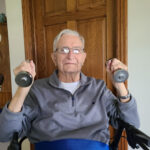 With my daughter, nieces, siblings and dear mom, helping him regain mobility and self care, my determined dad learned how to push out of his chair and walk unassisted again. Just like I once I relearned how to tie my shoes, grasp utensils, and button my shirt.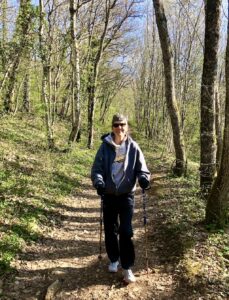

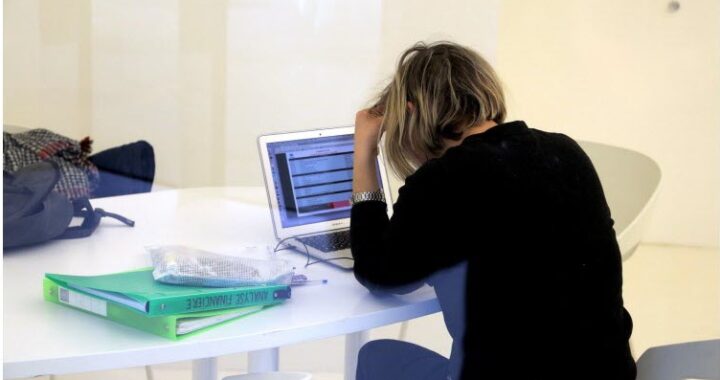
 Most people may need counseling especially these days due to the Covid-19 outbreak. Including me. One-third of the people suffering from brain injuries, like mine, develop major depression. Depression may be precipitated by genetics, circumstances, illnesses or unforeseeable and uncontrollable events. For example, the current world pandemic affects our mental health in ways we could never have imagined.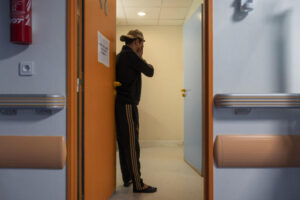

 Kamala Harris, lost the democratic nomination but won the ticket as Biden’s VP and broke the glass ceiling by becoming the 1st female vice president, 1st African-American and 1st Asian-AmericanVP. She inspired young girls everywhere to dream.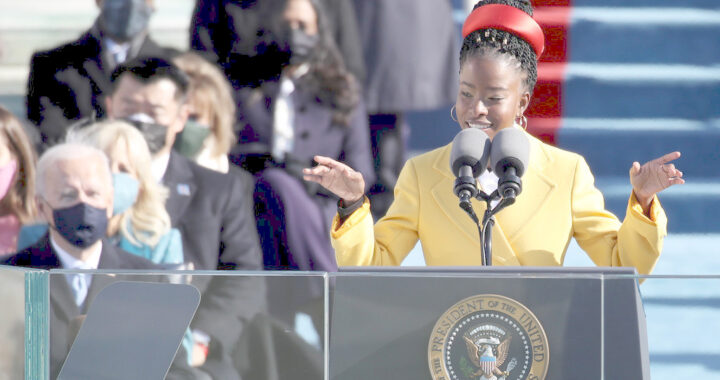
 On a smaller scale, heroes exist within our own families. Like my maternal grandparents who came to America for a better life. When my Norwegian grandpa Gustav lost his job during the Great Depression, he walked to the Chicago Public Library everyday to read books because he always wanted to be educated but never had the opportunity.

 ur years under the leadership of this madman ended in this deplorable moment in our history, leaving American citizens shocked, appalled, humiliated and terrified. It degraded our image and lowered our status among other countries.
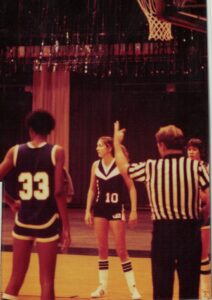 In my twenties I called it home, when I was a player for the professional basketball team, the
 Long after I moved to Europe, DC remained imprinted in my heart - Fort Belvoir, a US Army base where we practiced, the DC Armory, the national guard training arena, where we played our games, and the Capitol Center where we toured. A kaleidoscope of memories collide warm family meals, heated basketball games, cozy jazz clubs in historic Georgetown, and landmarks of American history.
 Before an entire country can heal, we must begin with one person. Reach out. Get to know someone of another religion, race, culture, ethnicity and learn about their universe. What foods do they eat? What holidays do they celebrate? What language do they speak? What deities do they worship? What fears do they face of living in the USA? How can they be made to feel welcome here?