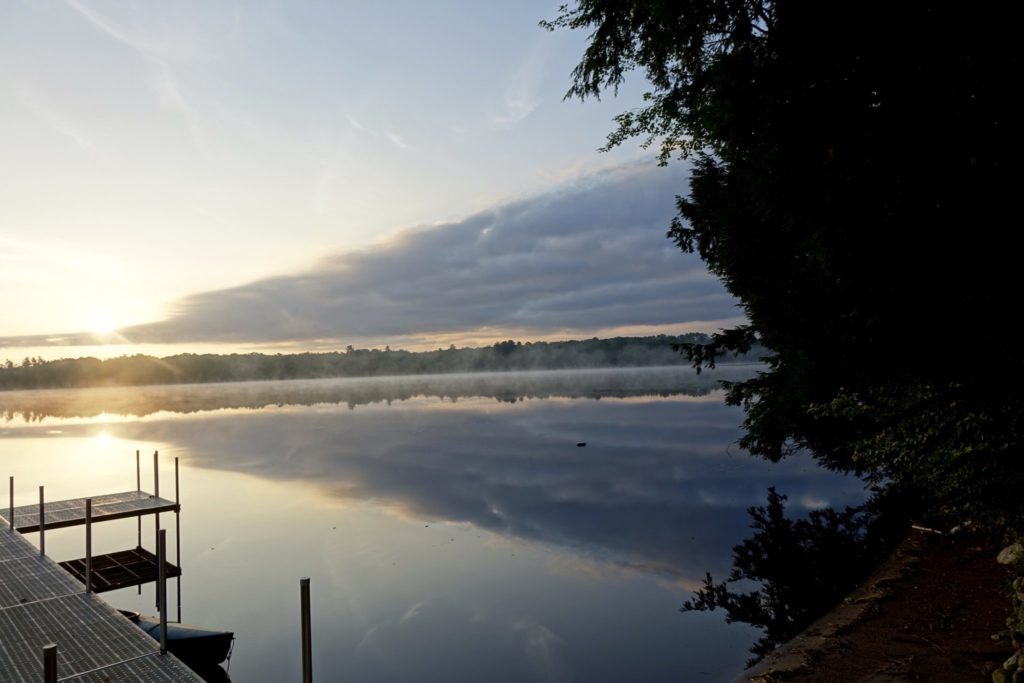


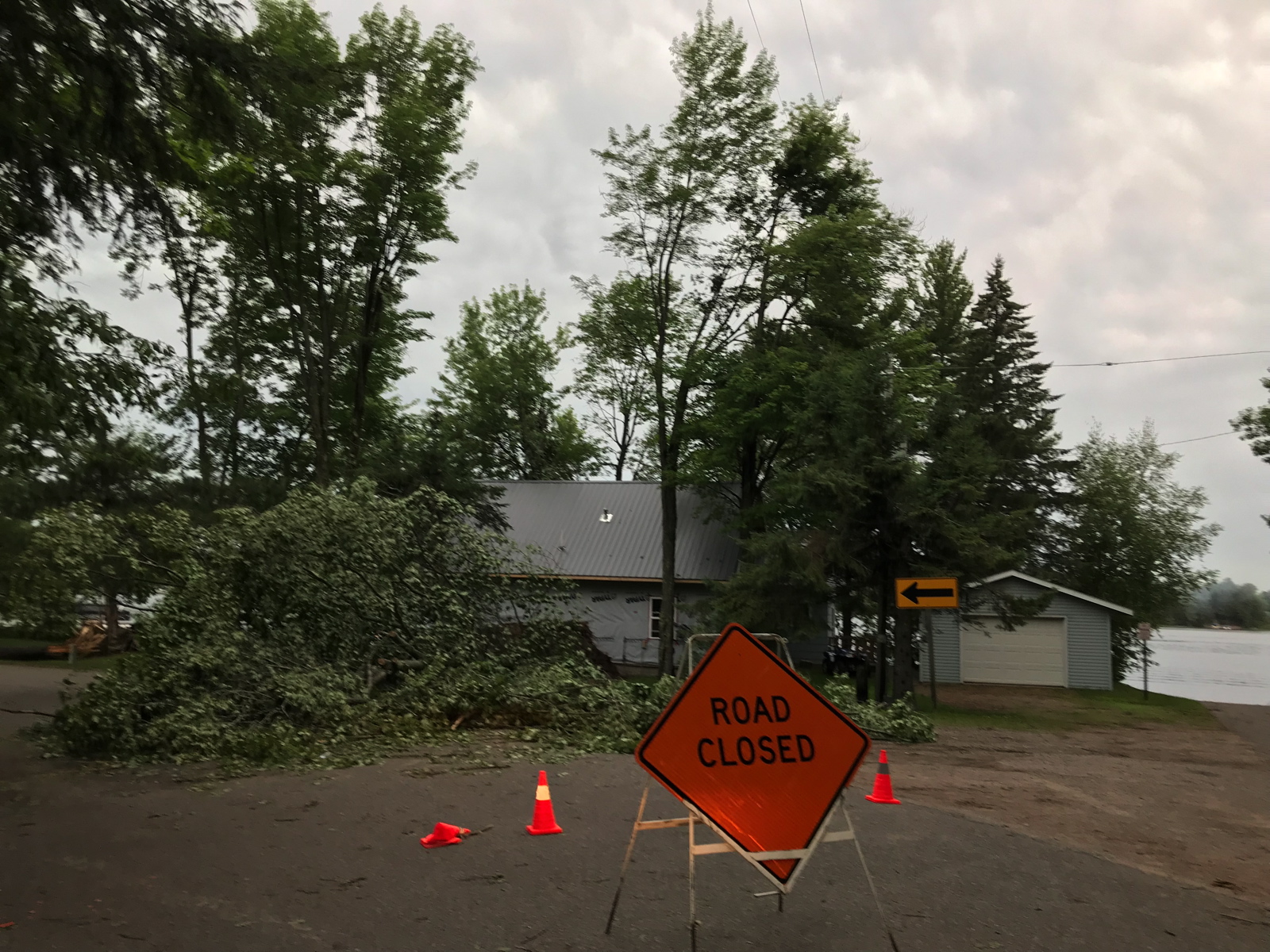
 Summer storm warnings in the midwest are so routine, we ignore them, but in the era of global warming look out. After a hot day on the lake, we sat on the dock of McKinzie cabin admiring the formation of mammatus clouds that looked like upside down dinner rolls. When the rain started, we headed up hill to the cabin. Just when my friend started her stand up comedy routine, the lights blinked out. We hee hawed to her jokes by candlelight while trees thrashed and waters churned outside.
While we were yucking it up, Mother Nature was having the last laugh. When we ventured outside the next morning, we witnessed the destruction. Fallen trees downed power lines blocking every route out leaving us stranded in a zone booby trapped by electrical wires.
We tried to walk to town, but power lines lying on the road blocked us at the boat landing where one of the lake’s oldest cabins dating 1911 miraculously stood intact.
I hollered over to Roger, who picked up debris from his uprooted trees.
« I was closing the windows when the big, tree fell inches from the house. Another tree crashed on the other side, » he told me. « When I heard the gas pipe sizzle, I thought I gotta get out of here. »
Fortunately, we had little property damage on our side of the lake, but our neighbor lost twenty-two trees. However, without running water and electricity daily life became challenging. We carried up lake water to fill toilet tanks and hooked up a generator that rumbled like a tank truck to keep power running to the refrigerator.
Every evening, we lit the house with candles and savored the absolute silence of night without any sound of modern civilization.
But in the morning, we were annoyed by inconveniences. Without water, breakfast became a 10-step process. Fill gas in the generator. Quick open the refrigerator. Remove milk and butter. Switch on adaptor to run coffee machine. Unplug coffee machine. Hook up toaster. Switch back to frig. Eat cereal. Fill bowl with water to drink, which serves double duty rinsing the dish. Wash face and hands in the lake. Brush teeth with a mouthful of water.
By day three, mold grew on my teeth and my body smelled like the septic tank. To save resources, we bathed in the lake washing with biodegradable shampoo; the guys peed in the woods.
I wanted to go to any restaurant or store, where I could wash my face and hands in their restroom, but all the towns around us remained powerless too.
I couldn’t imagine being homeless or living in a Third World country where existence depends on finding the next drop of water and morsel of food.
The next day, we stepped across the lines down on the road to walk to the public beach across the lake. There, off of highway 45, the Wisconsin National Guard had set up a non-potable water tank for citizens and promised tomorrow they would bring drinking water.
“Sixteen different tornadoes touched down and Langlade County declared a state of emergency,” the serviceman told me, “Elcho looks like a war zone.”
Like everyone else, after 3 days of isolation, we ignored the Road Closed signs, drove over the electrical wires that snaked across roads and headed to Elcho four miles away.
Evergreen, pine, deciduous trees of every kind stood uprooted or snapped in winds that reached over 100 mph. Along County road K to Post Lake century old trees toppled on cabins and barns.
Our power outage lasted four days, but many homes in the north central Wisconsin remained without electricity for over a week.
But after 24 hours, I was tired of fetching water buckets and playing Little House on the Prairie.
We take so much for granted.
Mother Nature’s rampage made me cherish our most valuable resources air, water and land. It also reminded me of the resiliency of the human spirit to endure floods, storms, hurricanes, wildfires and nature’s wrath




 Though unlike our ancient clan chiefs, you never led your tribe in battle against the Munros, MacLeods, or MacDonalds, you inspired countless warriors on the playing fields of Sterling to conquer “enemies” in Dixon, Rock Falls and Rochelle.

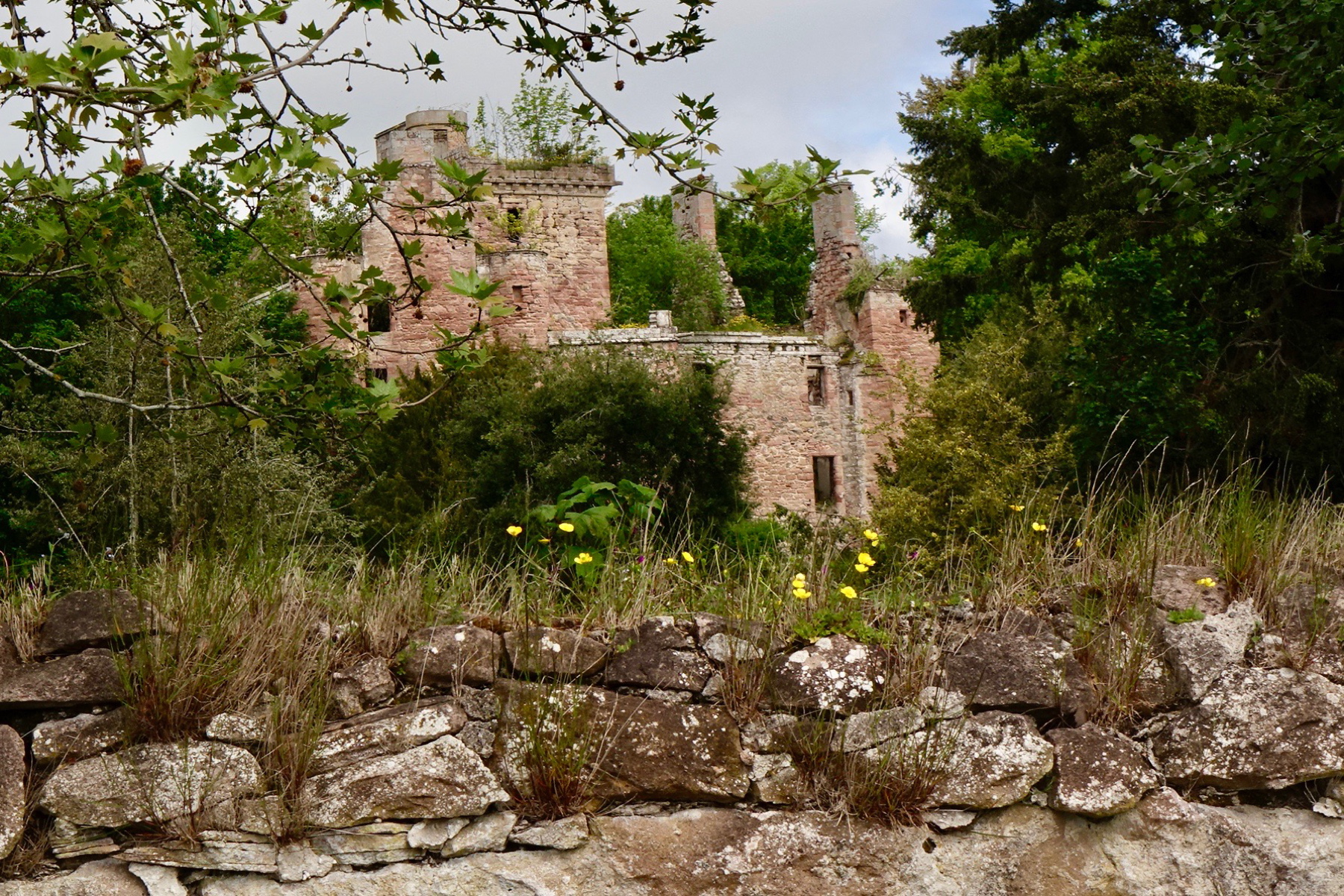


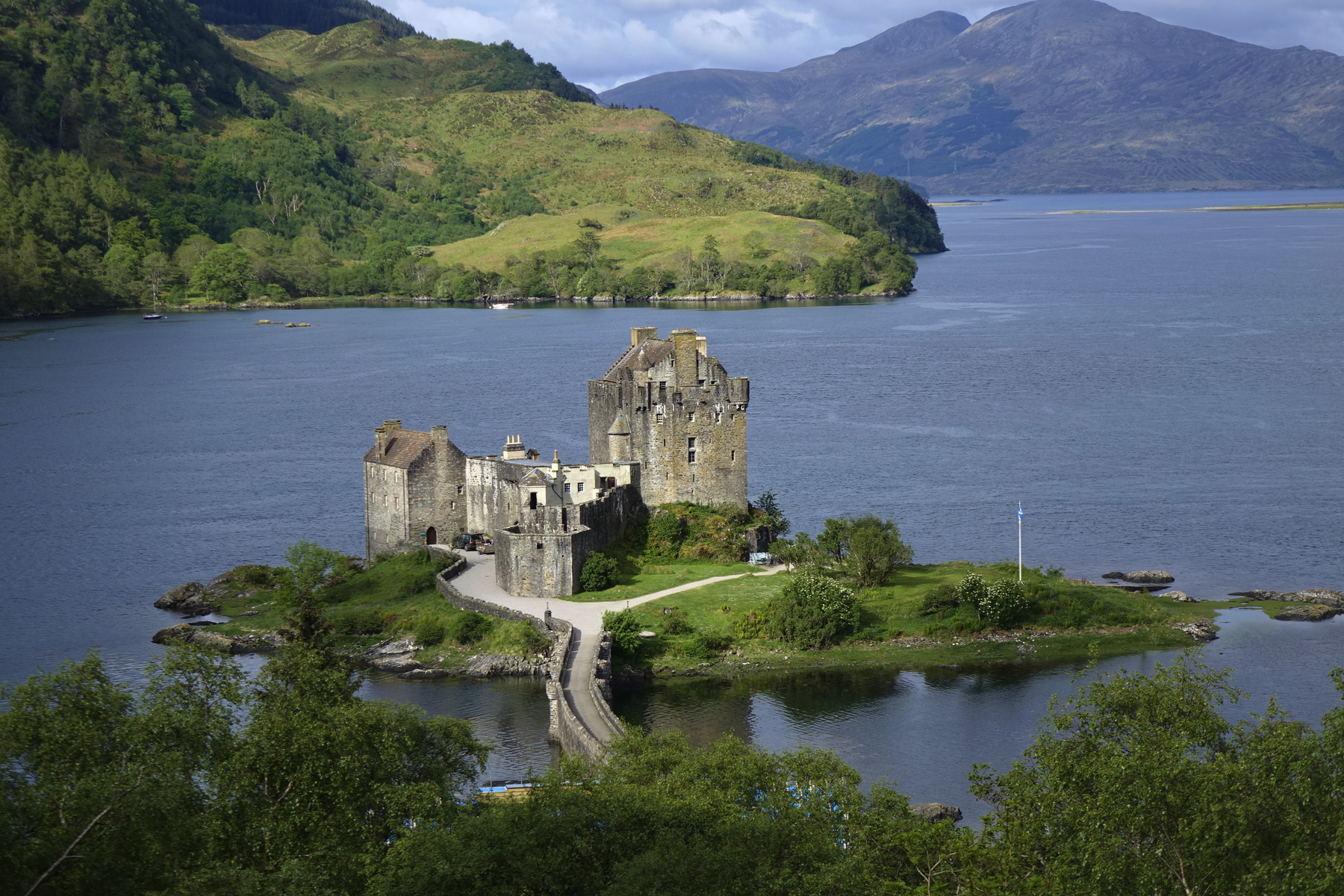
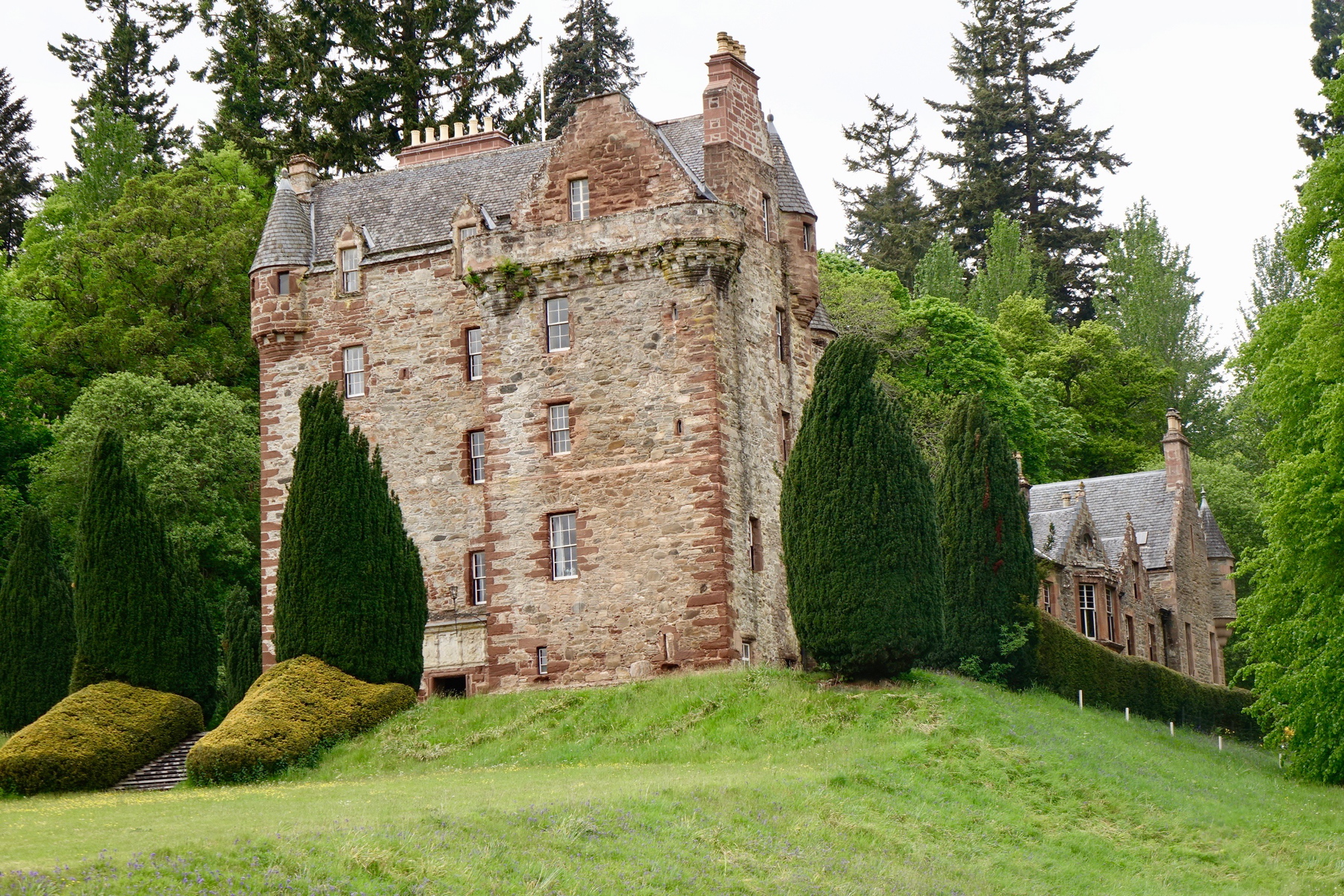
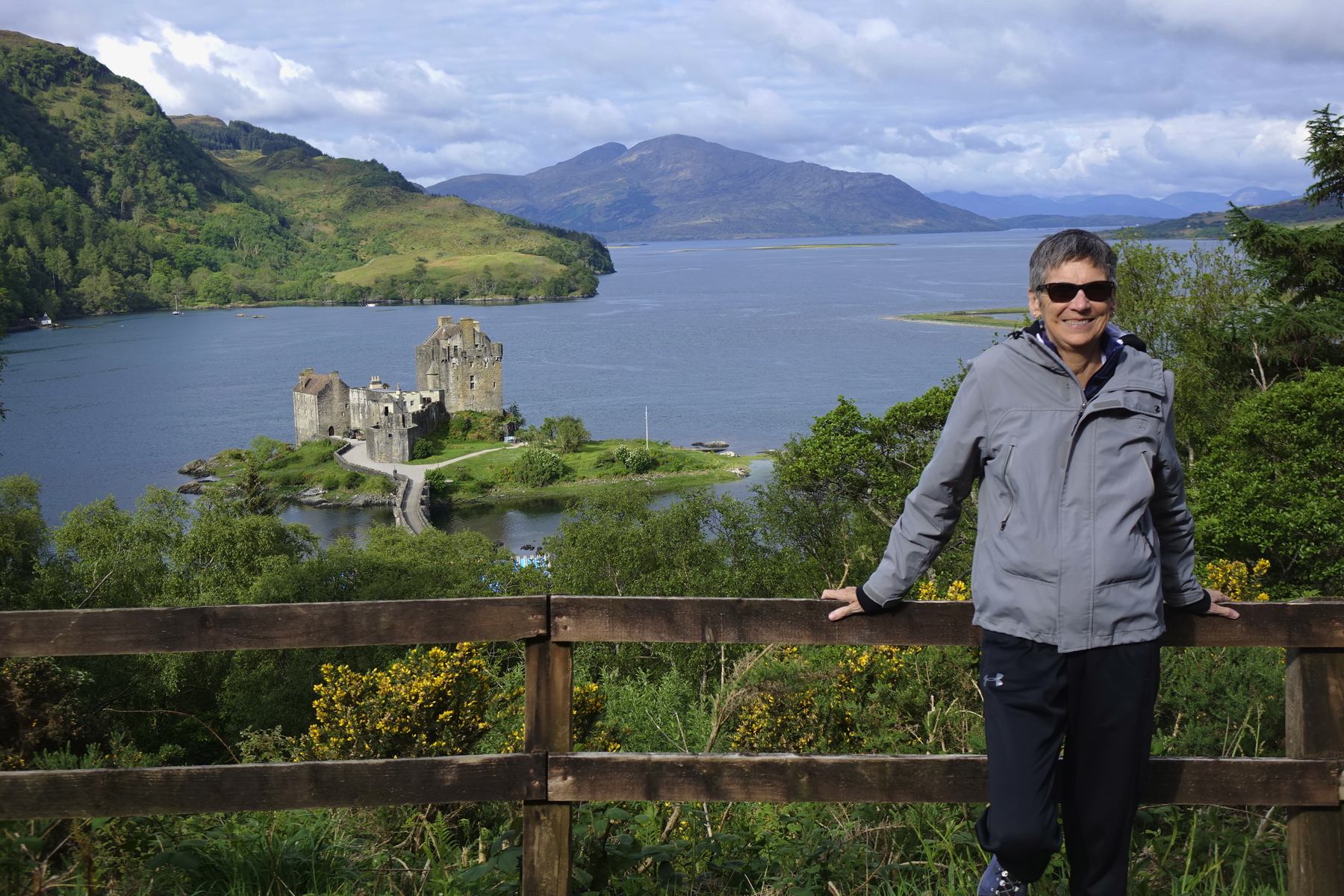
 Ever since I found out that my paternal lineage goes back to the 12th century Clan Mackenzie, I dreamed of following their trail from Eilean Donan Castle on the west coast across the Scottish Highlands and the Kintail mountains to Castle Leod on the eastern shores.
 Mackenzie’s, once the strongest clan in the north of Scotland, reigned for centuries. From rich, warlords to cash strapped landlords, their story portrays the end of the clan system as fortunes changed hands after the Highland Clearances. Their lives were as rugged as the lands they ruled. Filled with craggy inlets, mist-covered mountains, and broody glens, their land lends way to legends.

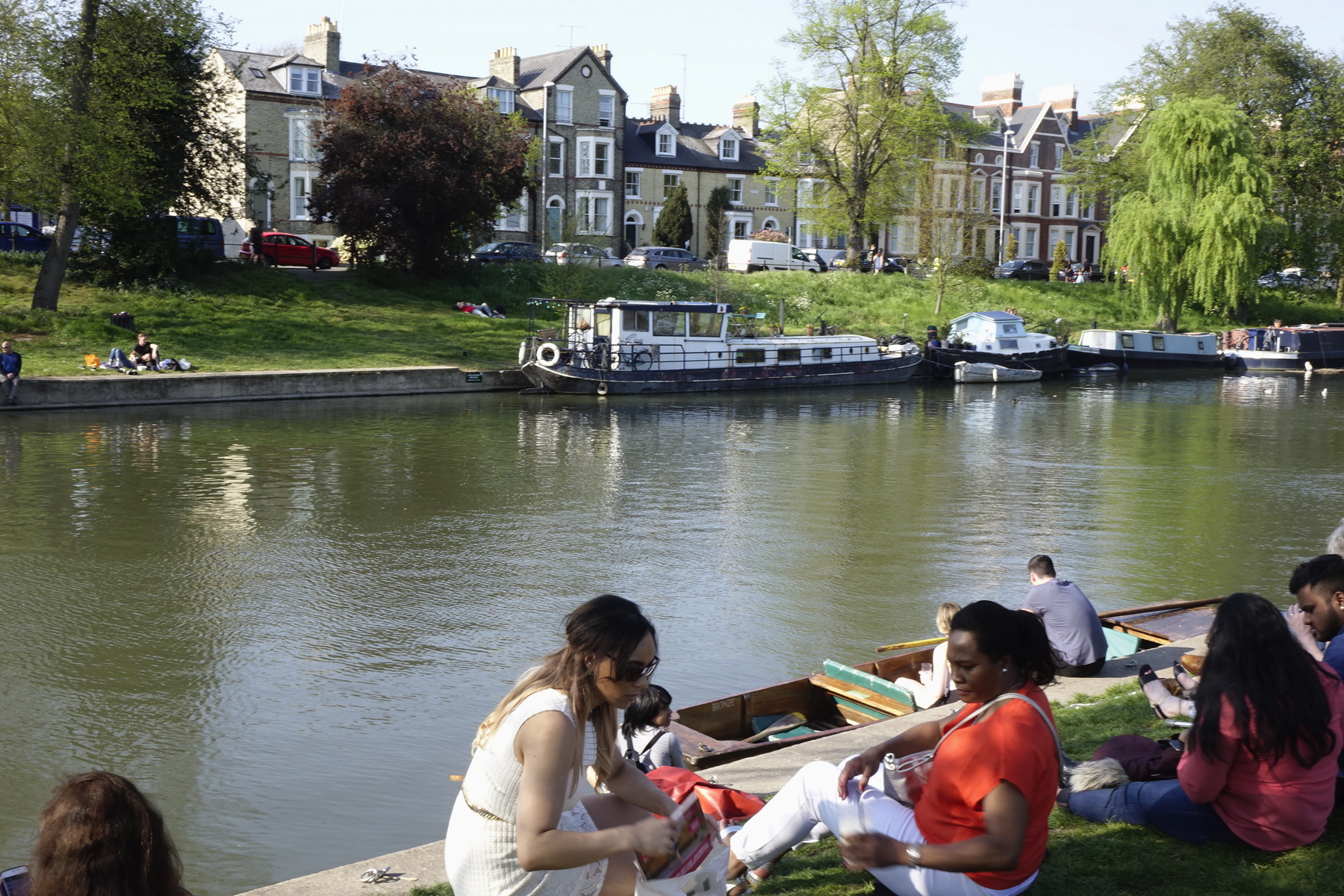
 I went to Cambridge, the prestigious medieval university, only as a tourist, but boy did I get educated. Though my former students have attended these hallowed grounds, I felt like a dunce when I realized Cambridge was not one central institution, but actually 31 different colleges under the administrative umbrella of the University. The colleges, established between the 11th and 15th centuries, have unique, individual histories.
 cheese rolls, salt & vinegar crisps (chips) were followed by sweets – brownies, French cakes – pink, chocolate and yellow frosted squares and strawberries.
 rchitecture, and known for it stained glass windows whose refracted light creates incredible beauty under the vaulted ceiling. The chapel, a Tudor masterpiece, commissioned by Henry VII, was completed under Henry VIII reign.