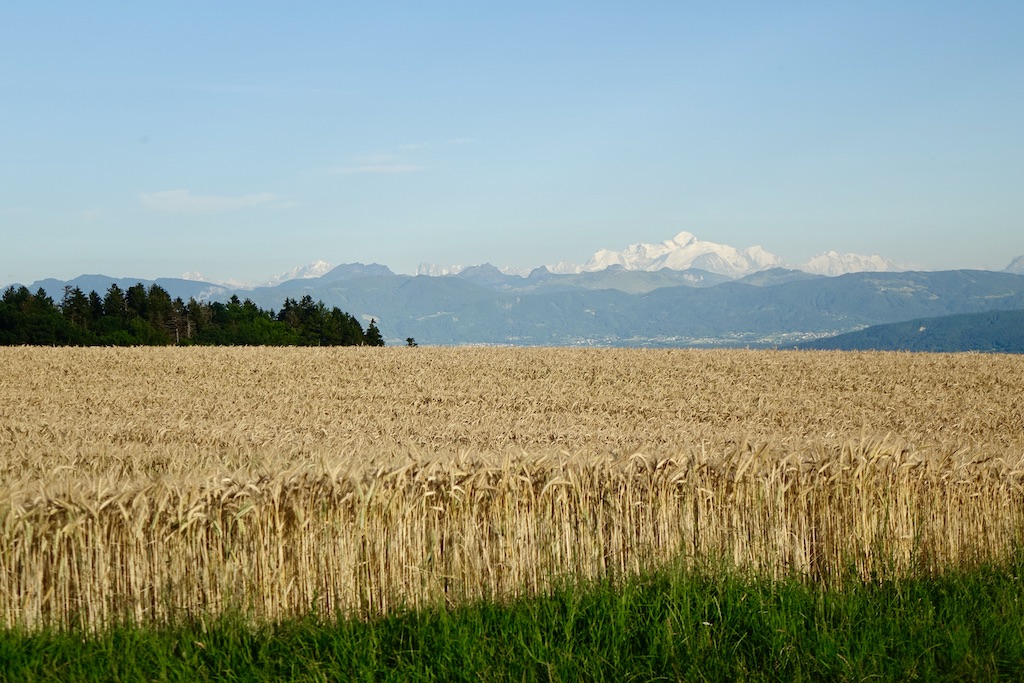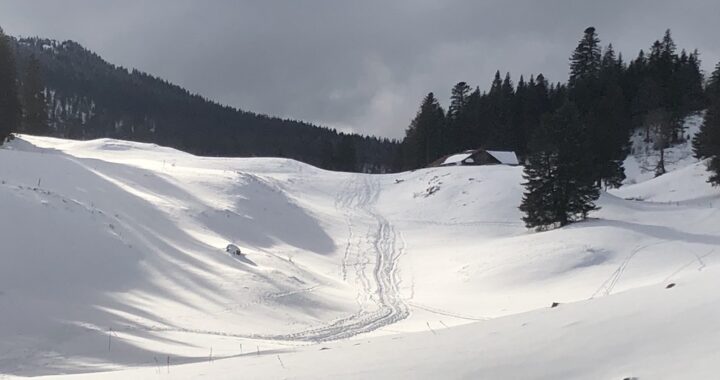
The past 6 months have been a blur of pain, disappointment, anxiety, uncertainty and ongoing rehabilitation. I have been off line, out of touch, and unable to write due to doctors orders. I had to refrain from using my upper body while retraining muscle memory.
I am lost. Unbalanced mentally and physically.
My sister will remind me I have been in an existential crisis since age 13, but this time I am really floundering. The parameters measuring my identity disappeared. Studies by Bruce Feiler in his book “Life is in the Transitions, Mastering Change at Any Age,” upended previous beliefs that defined age in stages as popularized by Gail Sheehy 1970s best seller “Passages.”
Transitions never existed in a linear, set pattern, but our chaotic lives are more like a kaleidoscope of constant change. We go through 20 or more transitions in a lifetime and major ones every 3 to 4 years.
For stability we all need to have at least one of three things.
- Purpose
- Connection
- Community
I lack all three. My purpose used to be teaching, coaching, writing, raising a family. My basketball teams and family were my connections; the international school was my community. But my children outgrew me, as they should, I retired from teaching/coaching and my family remains 4,000 miles away.
This summer, though I was so grateful to see loved ones, I felt as displaced as ever, at odds with my body, emotions running rampant due to the lingering after effects of brain injury.
As with any long term recovery process, setbacks, disappointments and false starts prevailed.
The skills I once performed effortlessly disappeared. I relearned how to do things for myself - drive long distances, pack the car, buy groceries, fill the tank, mow the lawn.
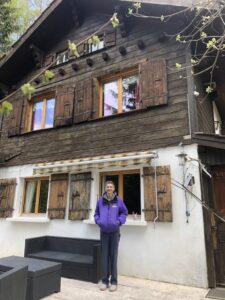 I have been working so hard to recover from traumatic brain injury after a bad fall that wreaked as much havoc with my spine as it did my brain. Once stateside, I spent 6 months, moving between families’ homes in Minnesota, Illinois and Wisconsin and underwent intensive therapy for my back and shoulders.
Back track 9 months. Last April, we sold our house outside Geneva Switzerland and bought a place in St. Cergue in the Jura Mountains. The only problem - the new virtual house was not built yet. No worries, realtors assured us only a few months delay. Further snafus in building means we will remain without fixed domicile for another year.
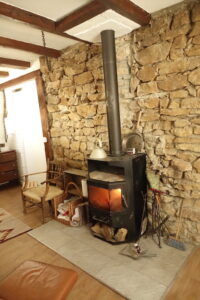 Mid January we returned to Switzerland and landed back in time in our “Heidi hut.” a rented, rustic chalet, chiseled out of the mountainside and heated only by wood burning stove.
I feel completely uprooted, a stranger in my body, living in a foreign place, surrounded by people I don’t know.
Without a permanent address it is hard to feel grounded.
During my lowest point, at age 26 after my career ending car accident abroad, I thought I had nothing left to give, but I never gave up believing and went on to teach and coach and raise a family. In retrospect, I can see that I still had a lot left to offer and learn from others.
But now what?
This time around, in a later stage of my life without a real home, our rootlessness existence makes it so much harder to reinvent myself, accept my limited options and admit my loss of autonomy.
Yet, every morning when I throw open the shutters, the sun sparkles over the snow-covered mountain top daring me to step out the door on the next adventure.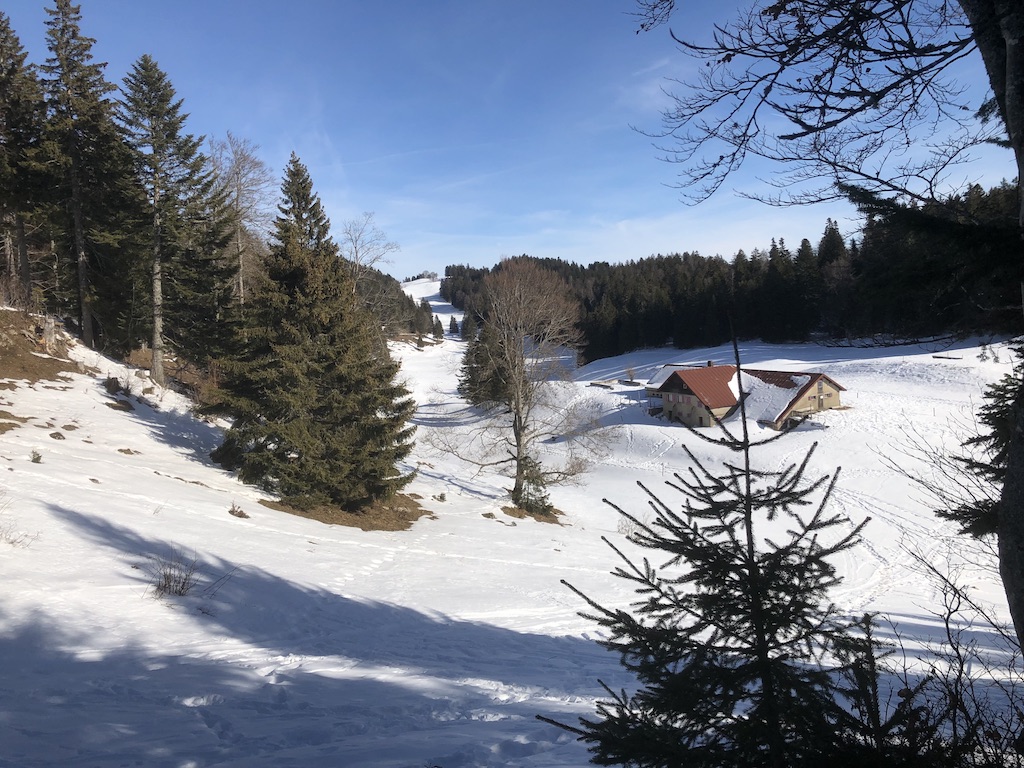
So here we go…
“One day at a time…remember all that lies behind you,
Believe in all that lies ahead”
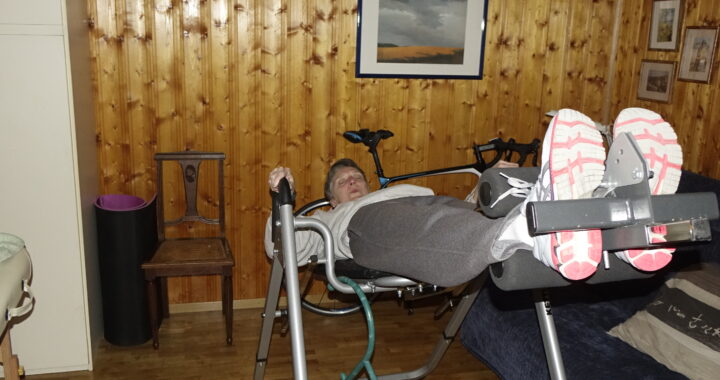
 For the past 55 years I have lived with back pain and I could write a book on how to cope since I have tried every self help tool available.
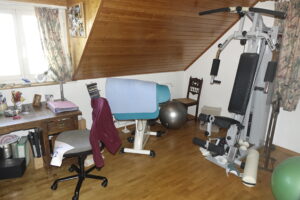 The Wet Vest allowed me to run again, but not on land. The vest that looks a bit like a life jacket keeps you afloat in deep water so that you can run without back or joint pain. http://www.hydrofit.com/wet-vest-ii/
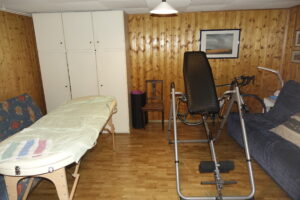 The Inversion Table is my new favorite. By hanging on a table upside down, gravity takes the weight off the vertebrae and disks.
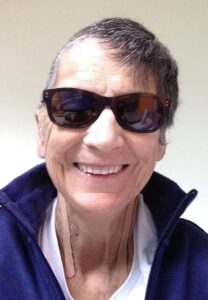 My head hurt, my face hurt, my right side hurt. One side of my head was shaved. I reached up and traced the scar dissecting my skull from my forehead to my earlobe.
 to hallucinations.
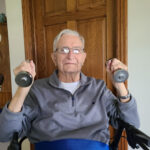 With my daughter, nieces, siblings and dear mom, helping him regain mobility and self care, my determined dad learned how to push out of his chair and walk unassisted again. Just like I once I relearned how to tie my shoes, grasp utensils, and button my shirt.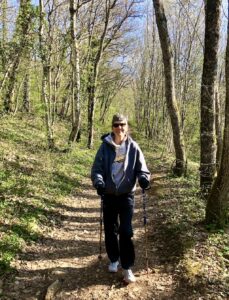
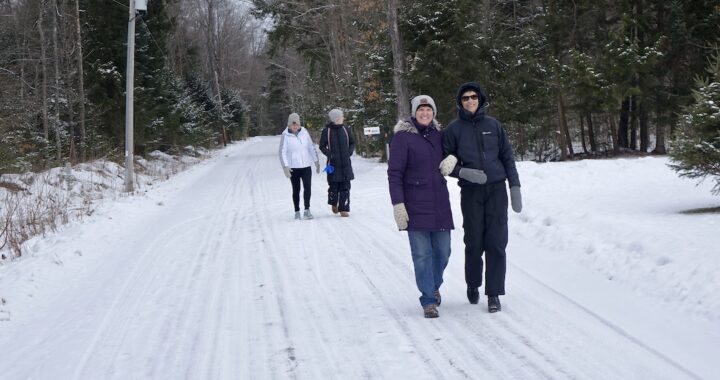
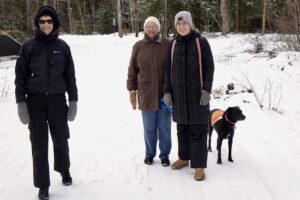 Remember when our mothers used to throw us out of the house commanding, “Go out and play!”: we spent the day climbing trees, making mud pies and inventing games.” Well, they were right all along. We grew strong, healthy and resilient.
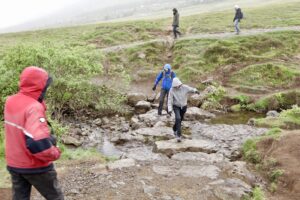 Not only does physical activity create new neurons, but exercise also strengthens the heart and blood vessels that supply oxygen to the brain helping you feel mentally alert.
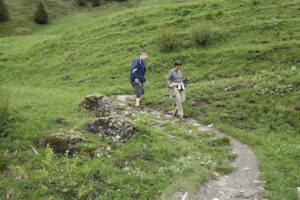 Not everyone, like the Swiss, enjoy the privilege of living in a mountainous and lake regions. Nor can everyone be located on coastal sea areas.
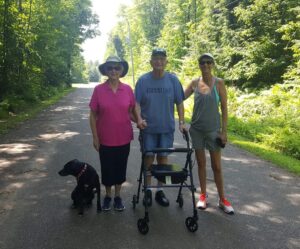 National and state parks and nature reserves abound across America. Even smaller communities boast of green space, like Sterling, Illinois where I grew up, which has 20 different parks, including a favorite Sinnissippi.
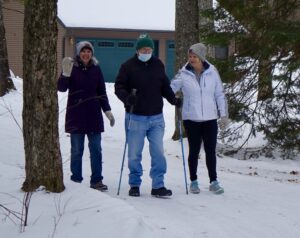 Those of us who can - must keep moving. My mom maintains her routine by taking steps for friends who no longer can. My dad keeps trudging along with his walker by setting daily goals to walk to the corner. And through diligent practice, I learned to regain balance, step forward without stumbling and swing my immobile left arm again after brain injury.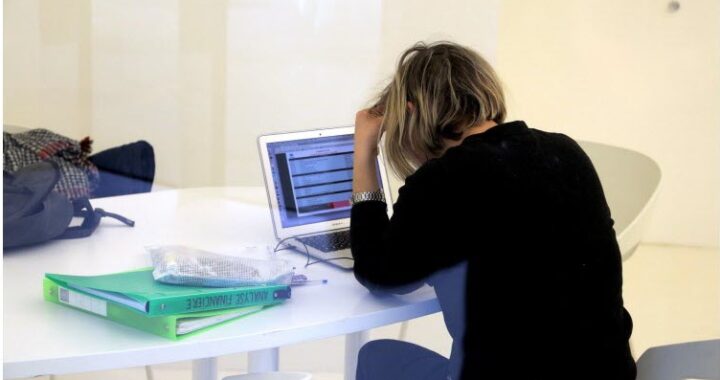
 Most people may need counseling especially these days due to the Covid-19 outbreak. Including me. One-third of the people suffering from brain injuries, like mine, develop major depression. Depression may be precipitated by genetics, circumstances, illnesses or unforeseeable and uncontrollable events. For example, the current world pandemic affects our mental health in ways we could never have imagined.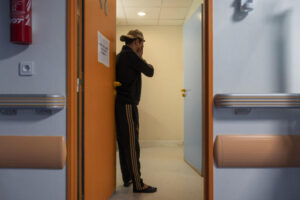
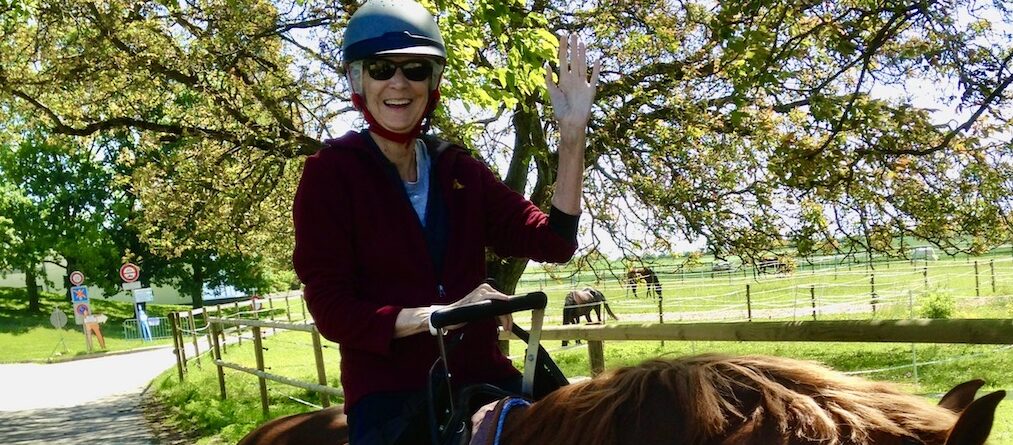
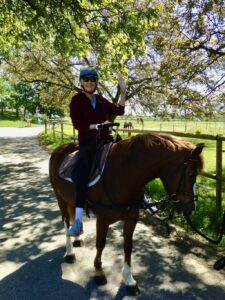 Just a few weeks after my brain trauma and surgery, my physical therapists in the rehab hospital, The Lavigny Institution, recommended a pony ride to help me heal. My entourage at home found that suggestion amusing as they pictured me on a pony with my long legs dragging the dirt.
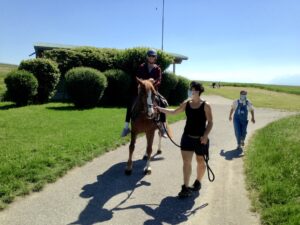 My physical therapists were so enthusiastic they could get me to agree to anything, but on the day I was scheduled for pony therapy I had second thoughts. Was I crazy? I hadn’t ridden a horse in over 50 years. But there was no way I could fall off. To mount the pony, which I was surprised to see had grown overnight to the size of a horse, I walked up a ramp and they brought the horse to a stand beside me.