
Beauly priory
On the east coast of Scotland, outside of Inverness, we traveled to the heart of my clan’s land and I declared it Mackenzie Day. We started out wandering among my dead ancestors in Beauly Priory, founded in 1230 as a Valliscaulian monastic community. Every other tombstone was engraved with the name Mackenzie, but the most poignant one lie in the north transept of the church.
“Sir Kenneth Sixth Barone of Kintail” was engraved in the border of a stone bed where a recumbent man with sharp chiseled, facial features, beard and mustache rested. Long arms and strong hands, once bearing heavy swords, lay idle at his sides since his death in 1491. Across from his grave lies the tomb of Alexander Mackenzie, who died in 1557, though his effigy is no longer intact.

Effigy of Sir Kenneth Mackenzie
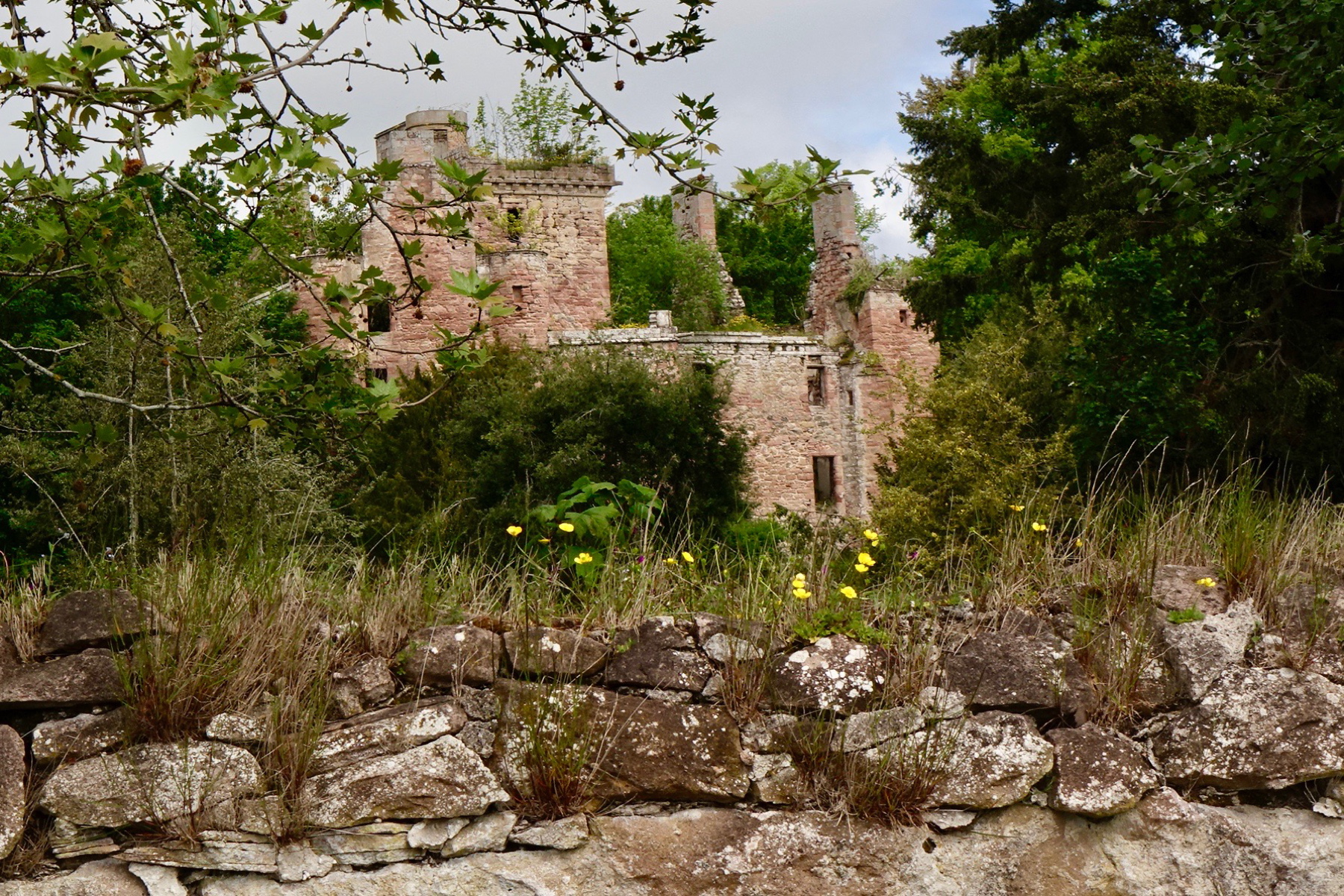
From the beautiful village of Beauly, we drove down one lane backroads around Beauly Firth* in search of the Redcastle that remained in Mackenzie Clan hands until 1790. From here my 8th great grandfather Colin Malcolm Mackenzie, the 4th Lord Of Redcastle, traveled to America.

Redcastle, Scottish Mackenzie connection to America
Finding the mediaeval Redcastle, historically known as Edirdovar, was a mystery. It’s marked as a dot on the map of Black Isle, a peninsula between Cromarty, Moray and Beauly Firths. We parked and wandered on foot trying to peek over the 6-foot high brick wall and finally caught a glimpse of the red stone remains. I found a path leading uphill behind a tree line and stumbled upon the crumbling walls of the Mackenzie fortress dating back to the 14th century.
Trees grew out of window frames, overgrown with shrubs and brambles. “No trespassing,” signs warned beware as bricks could tumble down anytime. Though the abandoned chateau was a far cry from it’s former glory, I felt like I discovered a hidden treasure. The castle itself had fallen into ruin, but the well-kept grounds of Redcastle held a working estate where horses grazed on a lawn that looked like a putting green.
In the afternoon we went to visit the Mackenzie clan seat at Castle Leod, which had been in the hands of the Mackenzie’s for centuries, and merits its own post to be shared next week.

Coul House
To top off the day, we dined at the Coul House Estate where descendants of the Mackenzie family lived since 1560 until 2003 when the MacPherson’s purchased the mansion turning it into a hotel.
That evening on a hilltop overlooking Beauly Firth, standing in the ruins of Redcastle, I heard the footfalls of my ancestors. I listened to the night call of birds, while the sun set over my shoulder. Here in the shadows of my mighty forefathers, I felt humbled by the evolution of time, calm in the knowledge of life’s continuity.
I shared a profound connection to my ancestral land. A land of rugged mountains, jagged crags, moody moors and misty sea lochs. I sensed a feeling of coming home. Home to deep blue waters, green fields, dark forests, rolling hills and ragged coastlines. Home to a haunting land of castles and ghosts, clans and kilts, witches and magic, superstition and legend. Relentless winds. Stormy seas. Savage landscapes. Wild, wild like my restless soul calling me back to my people, back home to the Scottish Highlands and the Mackenzie clan.
*A Firth is a long, narrow indentation of the seacoast used to denote coastal waters in Scotland.
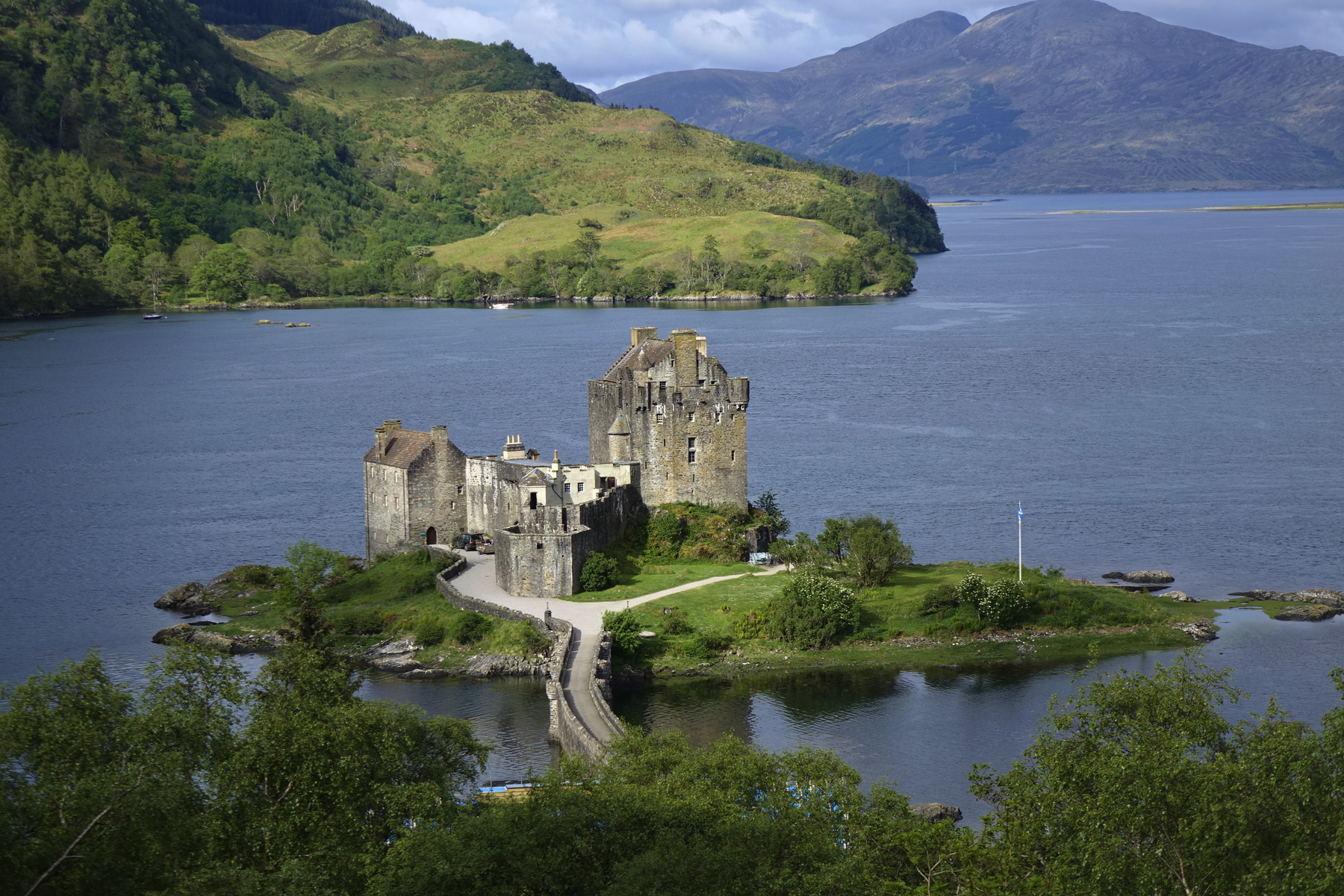
 Ever since I found out that my paternal lineage goes back to the 12th century Clan Mackenzie, I dreamed of following their trail from Eilean Donan Castle on the west coast across the Scottish Highlands and the Kintail mountains to Castle Leod on the eastern shores.
 Mackenzie’s, once the strongest clan in the north of Scotland, reigned for centuries. From rich, warlords to cash strapped landlords, their story portrays the end of the clan system as fortunes changed hands after the Highland Clearances. Their lives were as rugged as the lands they ruled. Filled with craggy inlets, mist-covered mountains, and broody glens, their land lends way to legends.

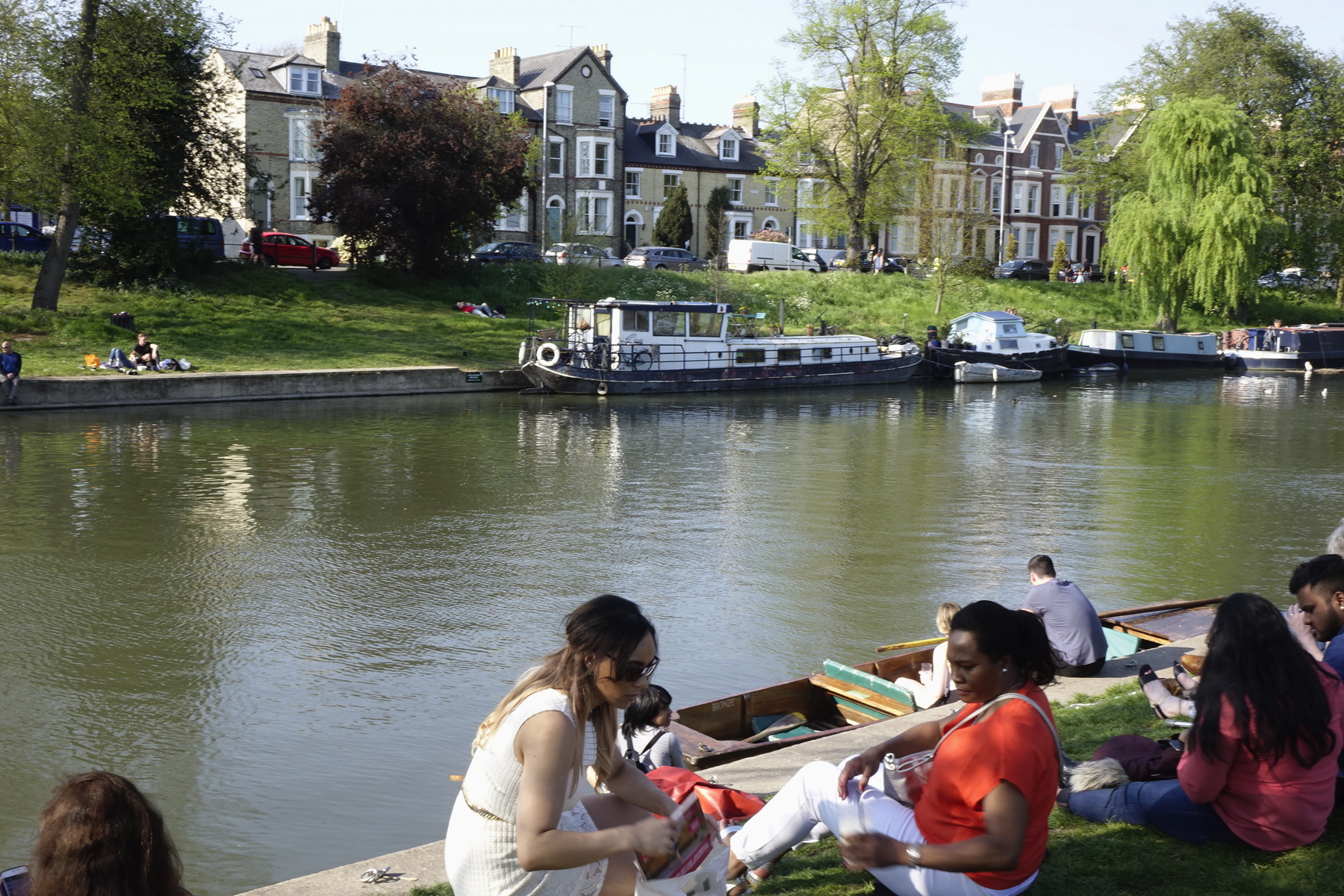
 I went to Cambridge, the prestigious medieval university, only as a tourist, but boy did I get educated. Though my former students have attended these hallowed grounds, I felt like a dunce when I realized Cambridge was not one central institution, but actually 31 different colleges under the administrative umbrella of the University. The colleges, established between the 11th and 15th centuries, have unique, individual histories.
 cheese rolls, salt & vinegar crisps (chips) were followed by sweets – brownies, French cakes – pink, chocolate and yellow frosted squares and strawberries.
 rchitecture, and known for it stained glass windows whose refracted light creates incredible beauty under the vaulted ceiling. The chapel, a Tudor masterpiece, commissioned by Henry VII, was completed under Henry VIII reign.
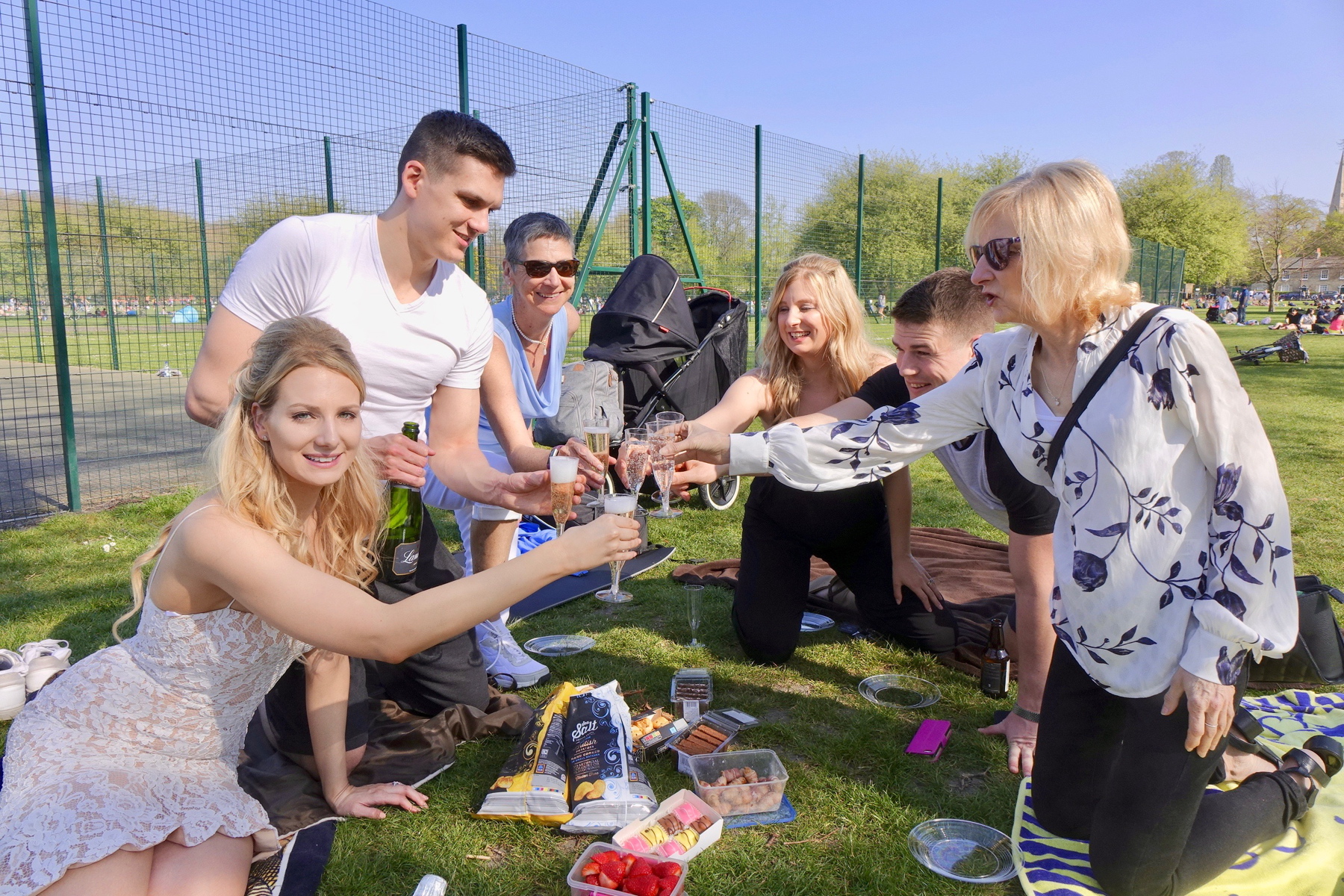
 When my son’s British fiancé told us we were celebrating their engagement by going punting in Cambridge, I imagined kicking the pigskin around a ballpark. But the English don’t play American football. Then I thought it must have something to do with rugby, as her brother-in-law is an avid rugby man.
 A person navigates by standing on the till (known as the deck) at the back, not paddling, but poling. It looks easy. It’s not. Imagine trying to propel a dozen hefty passengers forward by pushing off the river bottom with a pole vault stick.
 “On your right is St. John’s,” our guide said, “one of the oldest and most celebrated colleges in Cambridge.”

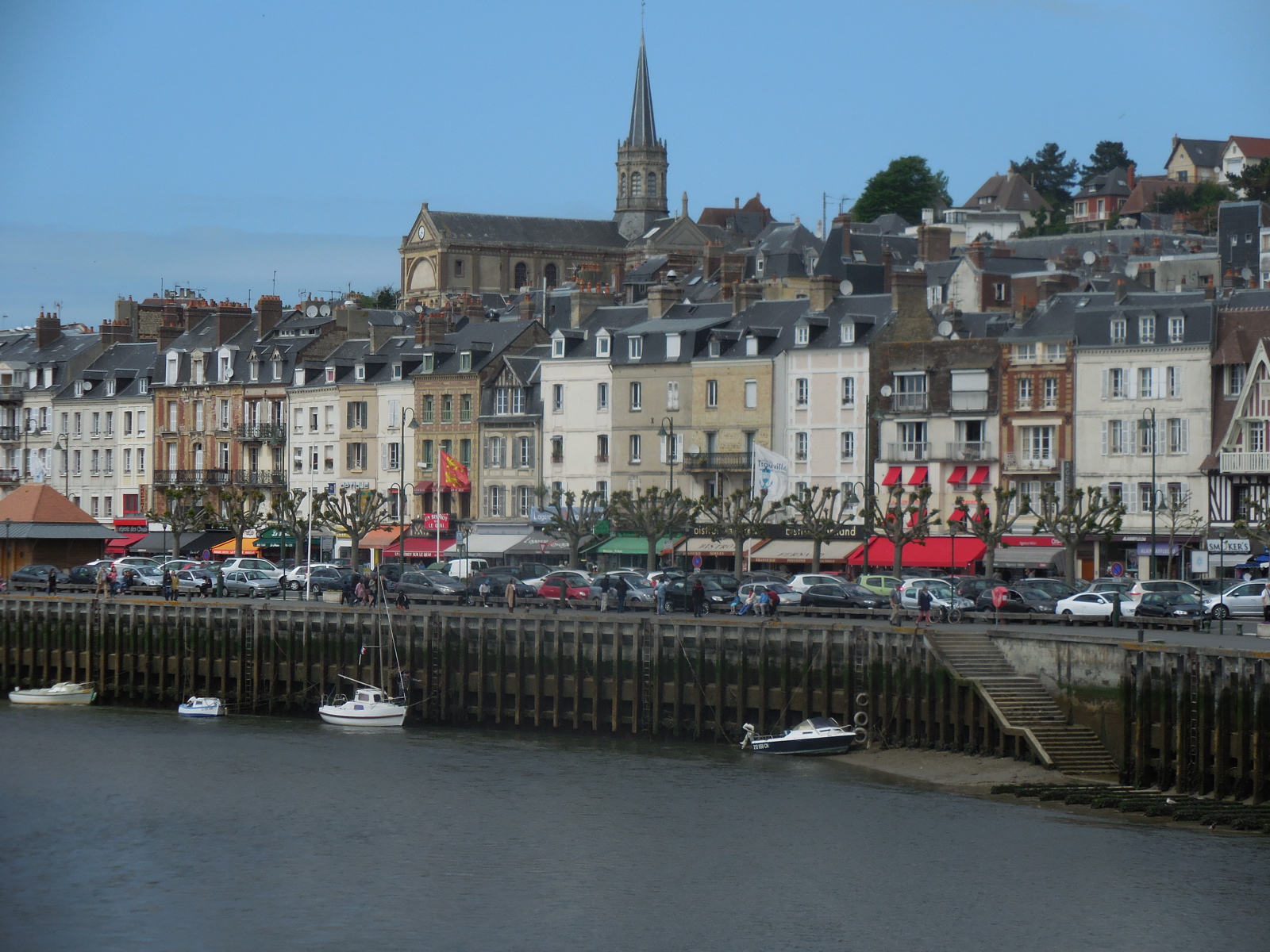
 Mamie’s house overlooks the quay of Trouville, France, a fishing village where inhabitants exist in rhythm with the tides and the ebb and flow of tourists flooding her Normandy beach.
 The windows on one side of the apartment face the colorful, lively, bright main street alongside the Touques River; the other side’s windows look onto the darker Rue des Ecores.
 Every nook and cranny remained filled with mementos triggering happy memories from Mamie’s giant dinner bell, to her French cartoon collection, to her lumpy, duvet covered beds. Artwork and photographs, showing the chronology of marriages, birthdays, baptisms, and graduations, covers every inch of wall space.


