Sophie Giraffe Favorite French Toy Turns 60

The little red Radio Flyer wagon, Lincoln logs, Matchbox cars each generation had their favorite toys, but the all time favorite French toy is Sophie la giraffe

May 25th, 2021 on St.Sophie Day, Sophie La Girafe turns 60.

Vulli, a company based in Rumilly in the Haute-Savoie region of France, not far from where we live outside of Geneva, has kept the highly guarded secret of how Sopie la Girafe is made. The rubber, used by Vulli to make Sophie, comes exclusively from the hevea trees growing in Malaysia.

Surprisingly such a simple toy has a complex process of production. To create Sophie la girafe, Vulli first heats the latex using a special process involving a technique called "rotomoulding" and then performs a series of 14 manual operations, which are still used today..
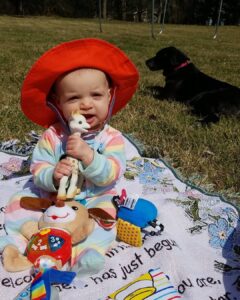
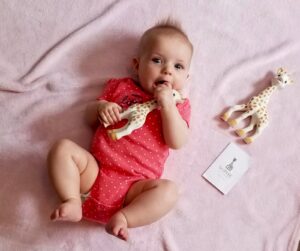
Unlike modern toys, which do everything except cook dinner and change nappies, and may be too sophisticated to foster learning, Sophie, a teething toy, was designed to stimulate all 5 senses from the babies’ age of 3 months.

Though Sophie’s squeaker may drive parents crazy, the sound the giraffe makes when squeezed stimulates the baby’s hearing and helps him to understand the link between cause and effect.
The giraffe’s dark spots captures baby's eyesight, which is still limited in the early months, and can only make out high contrasts.

Developed from latex, made from the natural rubber of the Hevea tree, Sophie has a distinct scent which makes the giraffe easy for babies to identify amongst other toys.
At an age when baby puts everything in her mouth, Sophie, made of 100% natural rubber, was a toy designed to chew. Akin to the nipple of a feeding-bottle, Sophie’s soft textured, chewable ears, horns, and legs makes her perfect for soothing baby's sore gums during teething.
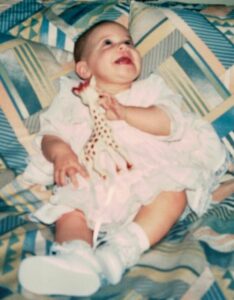
Sophie’s texture feels soft, like baby's mother's skin, which stimulates physiological and emotional responses that soothe the baby and promote healthy growth and well-being.
Her shape - long legs and neck and her size, 18cm - makes it easy for baby to grip.

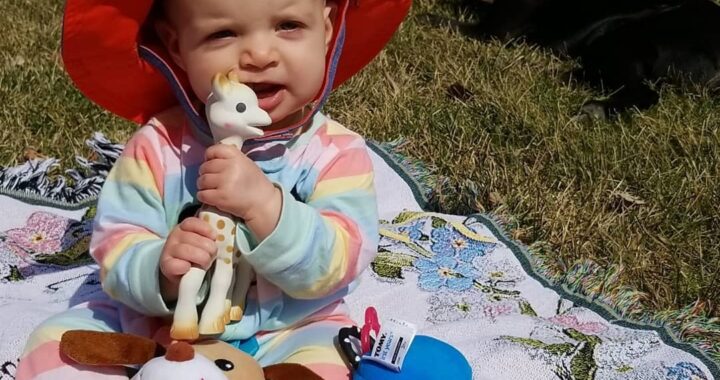
When my children were babies, Sophie was their favorite toy, so when I gave one to my niece, Marie, when she was born and it became her beloved toy.

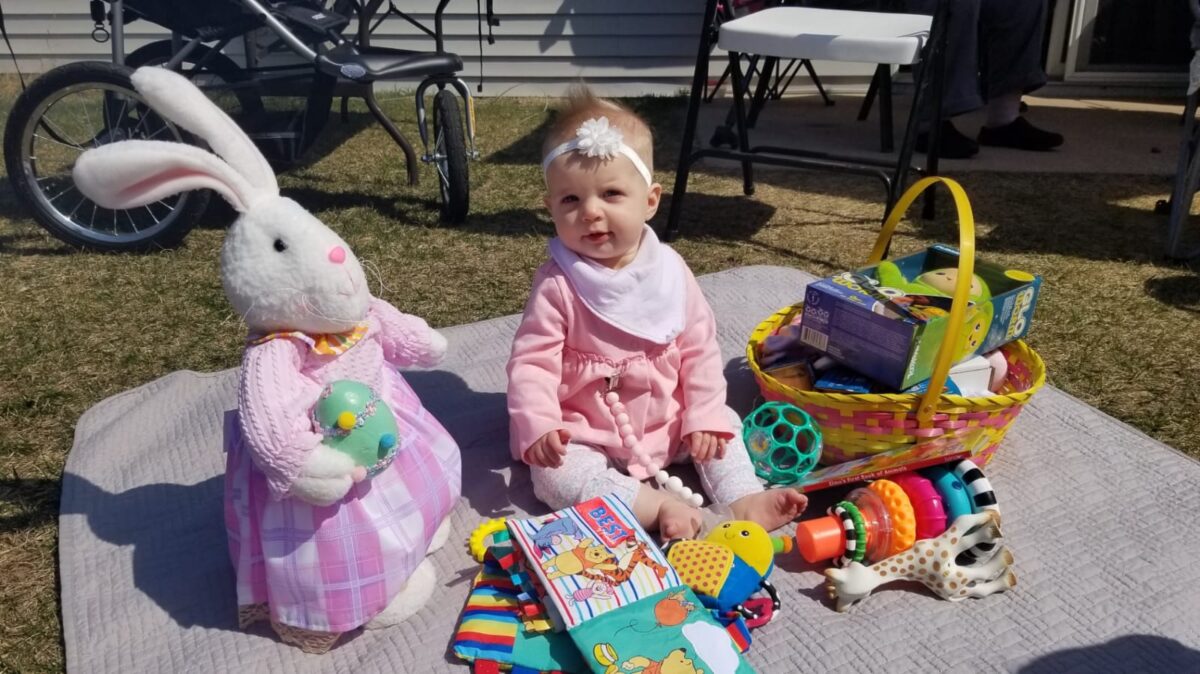
When Marie had her first baby, Hadley, I sent her a Sophie original from France. But Hadley’s grandma, my sister Karen, beat me to it. Sophie la Girafe is no longer found only in France, she can be purchased in 80 different countries and is sold at your nearest Target.
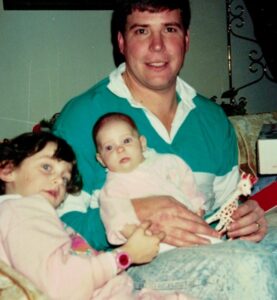
Sophie’s, popularity, which once spread by word of mouth, has now reached sales of over 50 million. She has become such a commercial success that she has her own brand, website and blog.

Like all celebrities, Sophie even joined a good cause and partnered with Girafe Conservation Foundation (GFS) to conserve the future for giraffes in Africa

Sophie la girafe, timeless and cross generational, loved by parents and children alike, still brings baby biggest smiles.
Second Chance – One Year Anniversary Changes My Perspective

On the 1st year anniversary of my second life, I wonder where am I now? I still feel lost. A year ago, I remember standing in our living room, turning to my husband to ask a question, and then face planting on our tile floor.

Days later, I woke up in a hospital thrashing against my bed rail and shrieking “Let me out! What am I doing here?”

Second ChanceMy head hurt, my face hurt, my right side hurt. One side of my head was shaved. I reached up and traced the scar dissecting my skull from my forehead to my earlobe.
On the telephone, my husband tried to explain why my head was sliced open in a 5 hour surgery and why no one, not even him, was allowed to visit me due to the COVID pandemic.

And so began a long year filled with fear, self-doubt and hopelessness.

Recovery required a team effort - a neurologist, physical therapist, speech therapist, neuropsychiatrist, rheumatologist, chiropractor and psychiatrist.

But my front line family care team kept me going day to day.

At the same time 4,000 miles away, my 89-year-old dad fought a daily battle to keep moving.

Recently, he was released from the hospital after a series of health crises that created the perfect storm. Wearing a special therapeutic boot for an infected toe, he walked off balance, leading to sciatica. Unable to sleep due to excruciating pain, the combination of pain meds and lack of sleep led to hallucinations.

I relived my accident in hearing about his. Ever the coach, in his delusions, he called out, “Keep hustling team!” And shot a wadded up pillow at a wastebasket. Ever the athlete, in mine, I blamed the nurses for hiding my basketball shoes and stealing my uniform making late for the big game.

Second ChanceWith my daughter, nieces, siblings and dear mom, helping him regain mobility and self care, my determined dad learned how to push out of his chair and walk unassisted again. Just like I once I relearned how to tie my shoes, grasp utensils, and button my shirt.
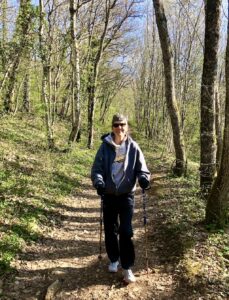

When I got out of hospital, I couldn't walk 60 yards without sitting down, now I walk 6 miles a day.Second Chance

At first, I was so frustrated. I couldn’t grip my guitar and play chords with my left hand. My left arm hung limp like dead weight. Then Gerald told me about Melody Gardot, an American jazz singer, who was hit by a car while riding her bike at age 19.

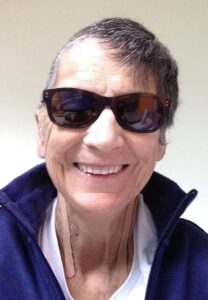
She suffered severe brain injury, broke her back and pelvis and could no longer sit to play the piano, so she taught herself to play guitar lying in her hospital bed. Like me, hypersensitive to light, Gardot, still wears dark glasses too.

Without a voice, no longer able to sing, she hummed. Unable to remember words, she wrote them down. Eventually she composed and performed again.

After my accident, intubation during surgery and hours with a speech therapist, my voice was a whisper. On long distance phone calls, I asked my daughter to sing with me like she did when she was a child.

Inspired by Gardot’s story I picked up my old guitar, practiced in 5, 10, 15 minutes increments and hummed too. I dreamed of being able to strum and sing around a campfire with family this summer at Summit Lake.

Thinking about my dad and remembering my own accident, I am reminded of our vulnerability. No one knows how much time we have left. Or how long we will retain our capabilities.

The human condition is humbling.

Life offers no guarantees. Will I ever recover completely? Maybe not.

I may never drive again or ride a bike, but I can still play a song, type a blog, read a book, walk a mile and cherish a new day.

Don’t Give Up

ISUOne moment I was living my dream as a professional basketball player in Europe, driving past my opponent with perfect body control releasing the ball so gently it kissed the backboard. The next instance, I was spinning weightlessly through air when our car flipped off a 100 foot embankment into France’s La Meuse River leaving me clawing against an icy current.
The impact of the crash, broke me in half - cracked my sternum, compressed vertebrae in my rib cage, concussed my brain, blocked my intestines and ended my career instantly.

I was only 26 years old. I thought life was over.

In the long days of therapy I slowly regained use of my limbs while living 4,000 miles away from home. I wanted to give up. I had no purpose.

In pain and despair, I hung on, an hour, a minute, a second at a time.Lechaults on the Wolf river

I never ran or played basketball again, but I persisted and went onto to lead a fulfilling life.

I married the Frenchman, who stood by me as I struggled to carve a new identity in a foreign land. Together we raised 2 bilingual, bi-cultural kids, who grew strong, trained hard and entered helping professions, one as a pediatrician, the other as a chiropractor.

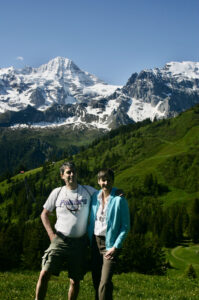
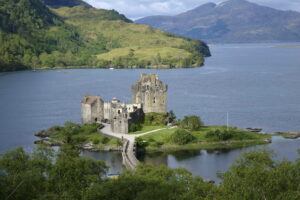
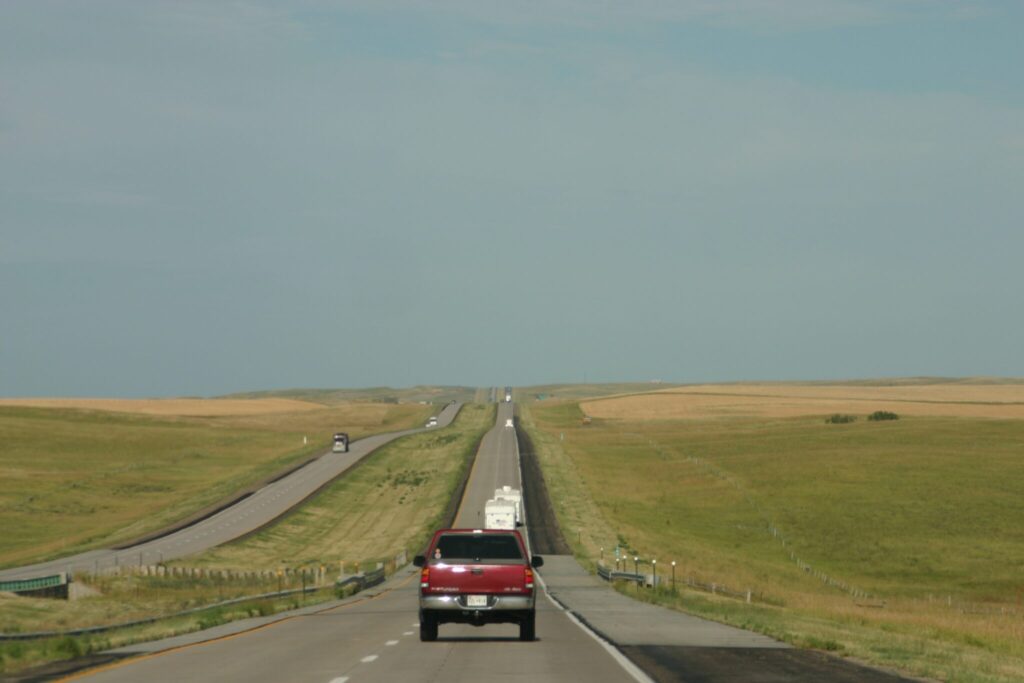
Swiss AlpsEilan Doran Castle. ScotlandI lived near the Eiffel Tower in Paris and at the foothills of the Alps on Lake Geneva. I stood on Mt. Blanc and the Acropolis in Athens. I rode horses on the beach in the Camargue and floated down the canals of Venice. I walked in the shadows of my forefathers at Scotland’s McKinzie Castle and along the Norwegian fjords of my Olson ancestors above the Arctic Circle.
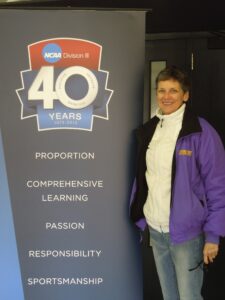
When I could no longer play basketball, I thought I would never adjust to sitting the bench, but found my calling as a coach. In three decades of coaching and teaching I had the privilege of working with sons and daughters of diplomats and world leaders from around the globe from whom I learned as much as I taught.

NCAAI wrote a book that led to an invitation to speak at the U.S. Senior National Games, an NCAA Final Four basketball banquet and commencement at the prestigious International School of Geneva, founder of international baccalaureate.
During my lowest point, I thought I had nothing left to give, but I never gave up. In retrospect, I see that I had a lot left to offer and even more to learn.

Nearly 4 decades later, after another life threatening accident last spring, I struggled again to tie my shoes, walk the fields, write a paragraph, repeating lessons learned years ago. I wonder why am I here? I grapple with finding a purpose to continue.

At age 63, I am too young to put out to pasture.

Each day I lift dumbbells, walk the block, play memory games coaxing my body and mind to grow stronger in preparation for the next calling.

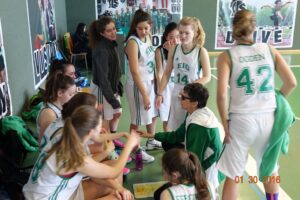
Coaching in SwitzerlandIn the meantime, I keep fighting to go on, pulling up someone else, pushing another forward. After all my struggles, this much I know to be true. We are in the game together.
No one gets this far on their journey without the love of family and friends, the kindness of acquaintances and the helping hand of a fellow man.

In this endless season of sadness, during one of world’s deadliest pandemics, we want to throw in the towel and call it quits. Our bones ache from the cold, grey winter, our spirits break from living in isolation and mourning lost loved ones, our minds spin with anxiety facing future uncertainties. We are each struggling with something.

Let my crazy odyssey serve as an example of hope. Take it from the kid who thought her life ended in an accident at age 26 and is still standing today. Don’t give up yet.

Better things lie ahead.

Hope. Have faith. Hang on.

Put one foot forward.

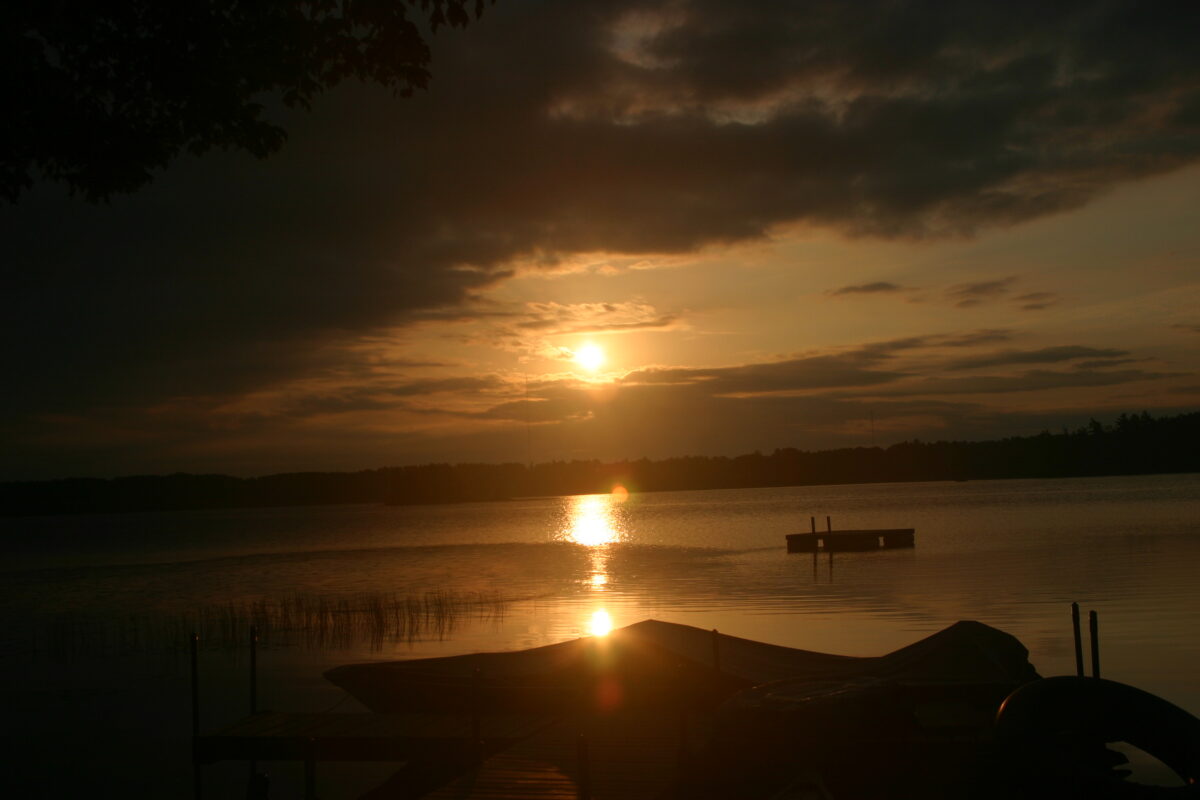
The sun will rise again.

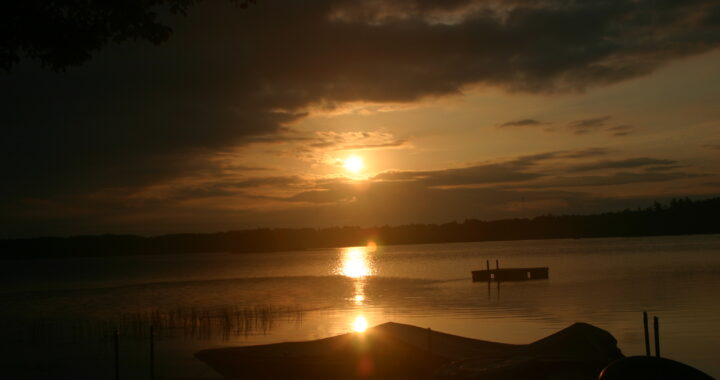
Sunrise on Summit Lake, Wisonsin

Long Road To Recovery

Recovery from an illness, injury or accident can be derailed by feeling hopeless so keeping a positive attitude is imperative.

After brain surgery and 6 weeks in the hospital, my focus was on leaving as soon as possible. When Gerald drove me home, I hung my head out the window and howled with joy. But getting out of the hospital was only the beginning of a long journey.

But after a few days of being home, my euphoria was replaced by reality. I still had a long way to go.

How easily we forget how much we have to be grateful for? Not  long ago I couldn’t walk, talk, move my left arm, read a book, follow a conversation.

Though I am frustrated that I may never run, ride a bike or drive, I am still in the game. I am lucky to have been an athlete raised in a coach’s family. From an early age, training became a way of life.

I work out as if my life depended on it. It does. I set mini goals to walk a little farther, a little faster each day. I continued physical therapy until I had memorized all the exercises I needed to do.

“With your self discipline,” my chiropractor and physical therapist said, “you of anybody doesn’t need PT, just continue the exercises on your own.”

https://www.youtube.com/watch?v=0qWX-BJGyjQ

I walk everyday, lift baby dumbbells and practice online “yoga with Adrienne” as she talks me through the postures and breathing techniques while teaching me mindfulness.

Setbacks are part of the recovery process.

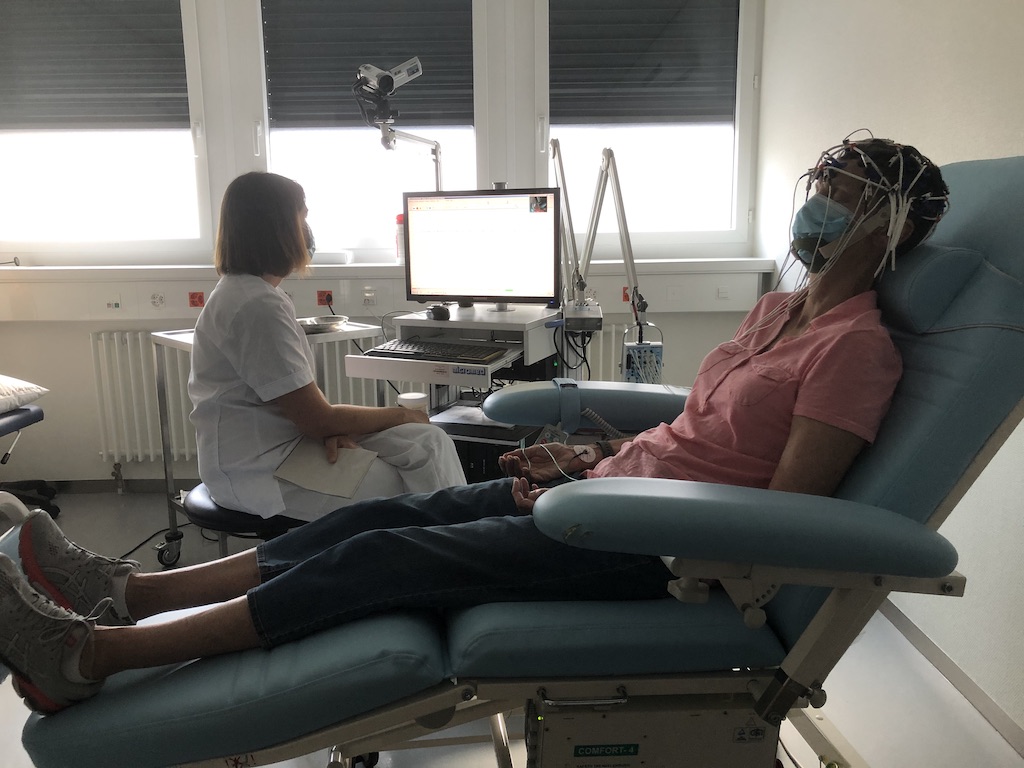
My neurologists explained that my recent EEG showed abnormal brain wave activity in the frontal lobes indicating the potential for another epileptic episode.
“Don’t even think about driving yet, or even doing anything involving balance or risk of falling” he said and added, “A full recovery from brain injury takes up to a couple years.”

Years? I fight off disappointment. Getting released from the hospital was only the first step of my journey to recovery.

Progress can be slow and indiscernible.

“Maybe recovery won’t be as fast as you’d like, but you have gotten so much stronger, made so much progress” my daughter reminds me.

“Reframe your expectations. It might take longer than you hoped, but you are getting there. Don’t give up!”

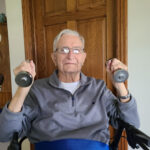
Look for an inspiring role model. Mine is my 89-year-old dad who slide steps holding onto the kitchen counter, lifts weights from his reclining chair and walks around the block everyday.

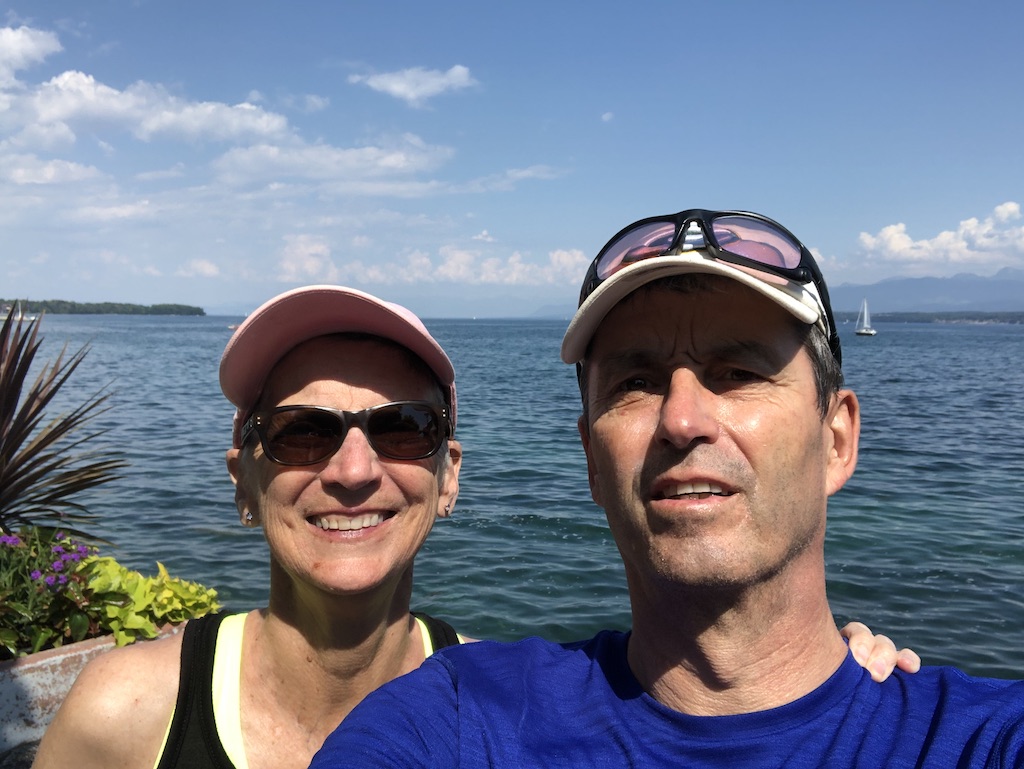
Depend on a loyal teammate. When I wake up with tears in my eyes wondering how to push through another day, my husband drags me out the door. We walk the fields across from our sublime view of Lake Geneva and the Alps and I chide myself. What am I pouting about?
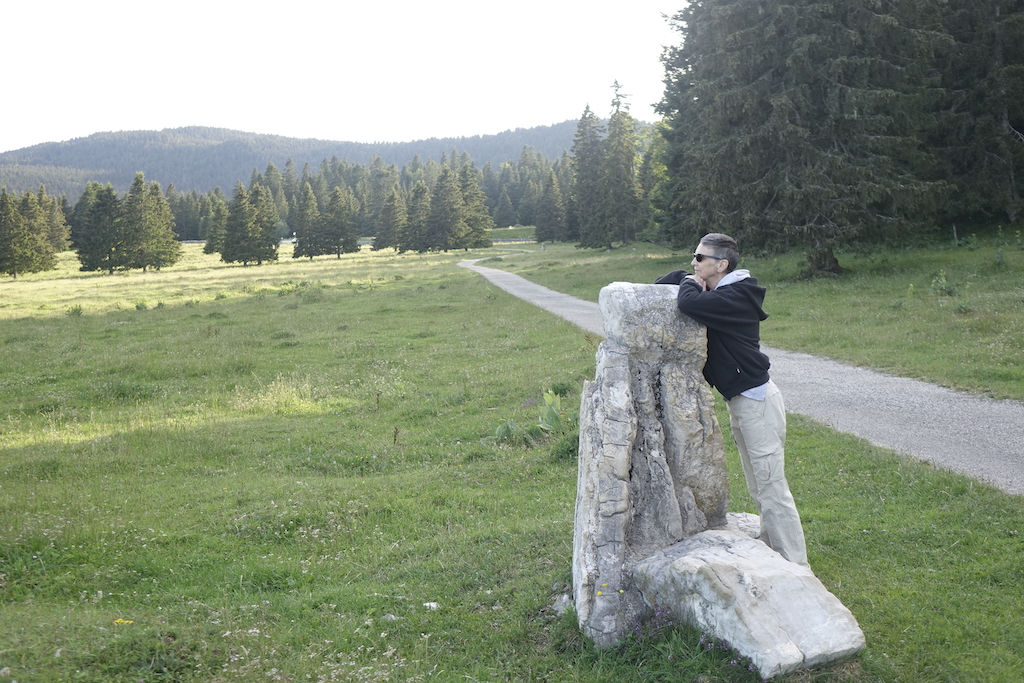
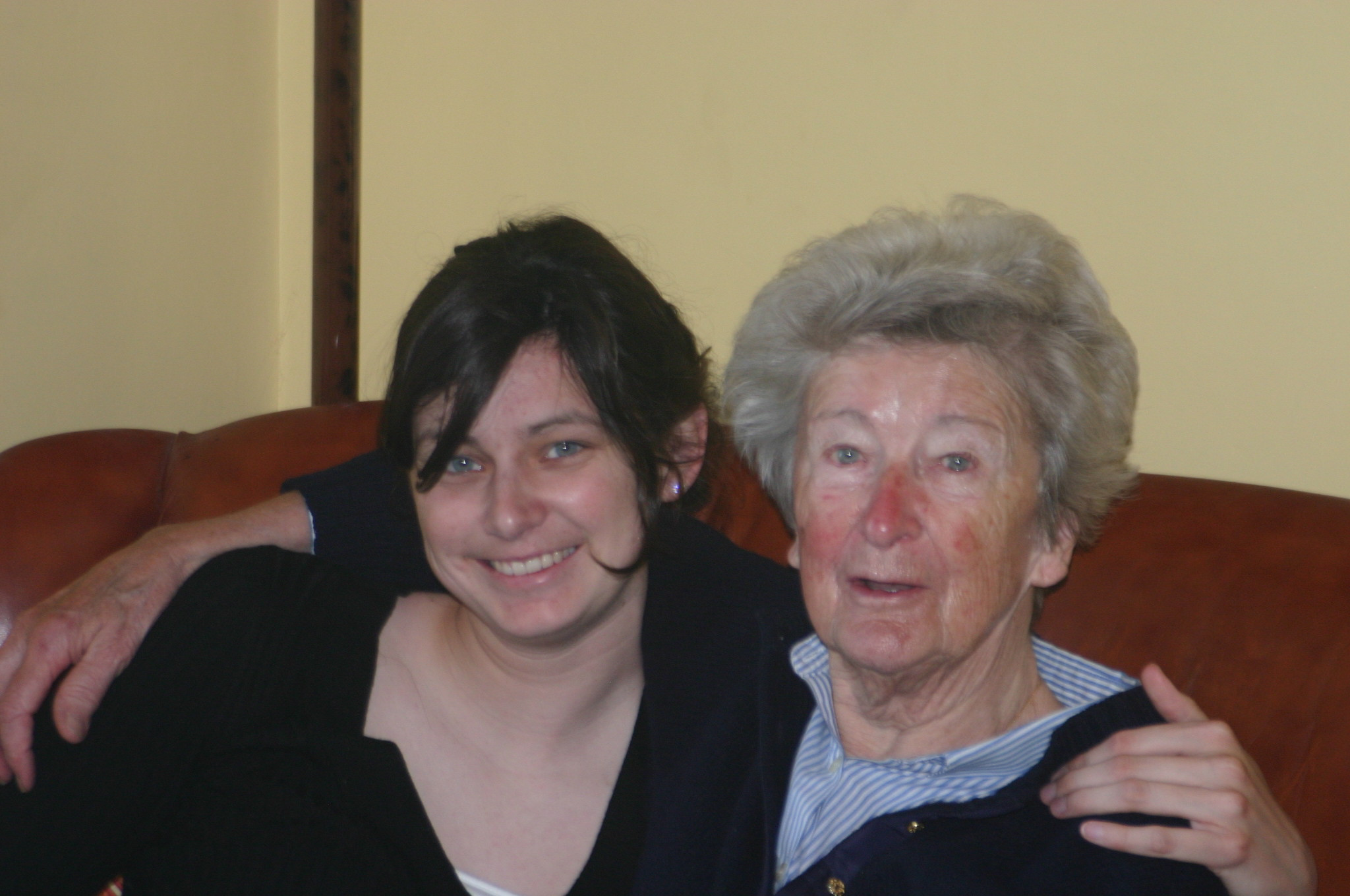
Surrounded by people who believe wholeheartedly in my ability to recover, when my hope wavers theirs lift me up. So I face each new day whispering my mantra.


“Get up. Get moving. Reframe. Go forward. One step at a time.”

Farewell to our beloved French Mamie (Feb 13,1926 – Aug.22,2020)

Though she was 94 and ready to go, we are never prepared to say that final farewell to our mothers. On the day we buried our beloved Mamie, we were overcome with waves of sadness that come and go like the tide crashing the shores of Trouville by the Sea where she lived for over 6 decades. Fleeting memories of her emerged like rays of sunshine poking through the dark clouds.
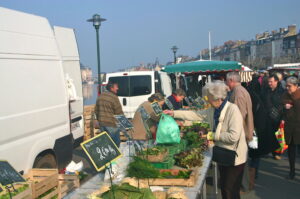
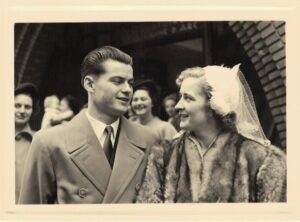
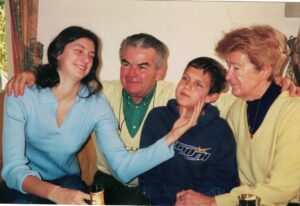
Mamie cut the quintessential image of a traditional French woman, “toujours bien coiffée”, scarf wrapped around her neck, wicker basket swinging on her arm, bustling off to market to banter with the local merchants for the best cuts of meat and finest cream. No one would dare try to pull one over on Mamie when it came to selling second rate fruits and vegetables, only the finest for serving her family.

Though she had a difficult childhood, she was never bitter about her lot in life. After meeting at a tea dance popular after the war, she married Guy Lechault in 1951. She had 2 beautiful daughters and one fine son, who became my loyal, loving husband.

Growing up during the hard times between two world wars, she dedicated her life to raising her family making sure her children never had need for naught. Family was the center of life and her 5 grandchildren were the apples of her eye. She was so proud of them; they were so fortunate to have had her as part of their lives during their growing up years. 

Nathalie her eldest grandchild remembers when she was old enough to drink alcohol and had her first glass of wine à table with her French family,

“Mamie was so delighted,” Nat says, “it was as if the messiah came!”

Mamie made everyone’s  favorites dishes, often serving 5 different menus when the kids were little, but they all grew up appreciating healthy food and mealtime remained sacred-a time to gather round the table to tell stories, talk about food and savor the tastes.

As soon as we finished one meal, Mamie, a woman who never served a sandwich in her life, would ask, “What would you like for lunch tomorrow?”

Lunch meant dinner in the old-fashioned sense — a five-course meal with a starter, main course, cheese platter, dessert and coffee with chocolates that she had hidden for special occasions. Then she would set out thimble sized glasses and poured “just a taste” of her homemade plum liquor.
We had barely cleared the table before Mamie started preparing for the next feast, scurrying back around to the village shops filling her wicker basket with fresh supplies from the butcher, the baker and the creamery.
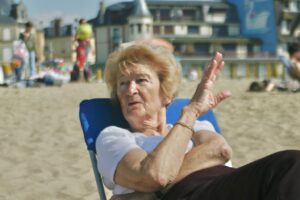
She lived in a 17th century fisherman’s flat chiseled into the falaise on the quay of Trouville. The small rooms were stacked on top of each other like building blocks connected by a creaky, winding wooden staircase.Her home was her castle; the dinner table her throne, although she never sat down; she was always so busy serving others.
No matter how crowded the 12” by 14” living room, there was always space to squeeze in around the big wooden table that could always accommodate one more.

Mamie could be stormy with a sharp tongue that you never wanted to cross, but she was also sunshine filled with warmth and the first to offer consoling words in times of trouble. Ever since my car accident in France 40 years ago, like a mother hen she welcomed into her family nest and watched over me as if I were a baby chick with a broken leg.
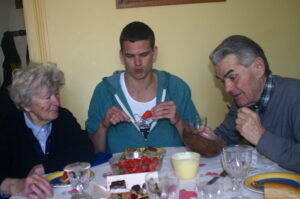
Mamie was the sun and the sea, the wind and the rain, the beach, the boardwalk, the open market, the fish sold fresh off the boat on the quay. She was Camembert, strawberries and cream, chocolate mousse, apple tart and homemade red current jelly.
She may be gone, but she will never ever be forgotten. Our every memory of Normandy is a memory of Mamie, the matriarch, the heart of our French family.


Trouville sur Mer, Normandy, France

https://pattymackz.com/wp-content/uploads/2020/09/Jirai-revoir-ma-Nomandie-2.mov

Therapists in Rehab Hospital Inspire Hope

Unfortunately at different times in my life, I have been hospitalized in 4 different countries, but none of them could compare to my six week stay in Lavigny, Switzerland.

After nearly 2 months in the hospital, I am still trying to piece together what happened to me. I don’t remember any details about my fall, about the harrowing helicopter transport and emergency brain surgery or the first 2 hospitals where I laid in a bed too weak to stand, too confused to carry on a conversation to process everything I was facing.

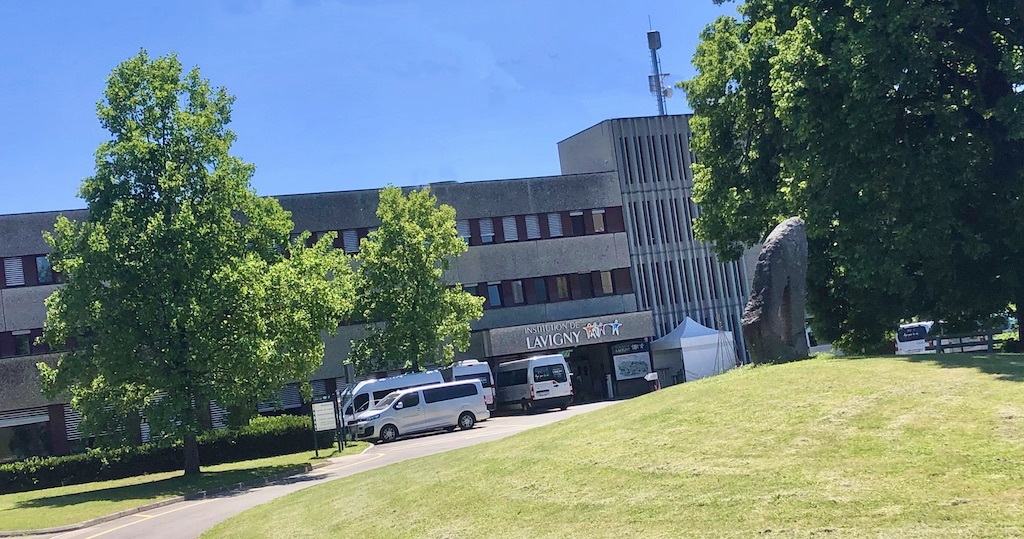
Fortunately over time, I began to heal. But I am the first to admit I did not do it alone. I was transferred to the 3rd hospital, Lavigny, a neurological rehabilitation center specializing in treatment for epilepsy, stroke victims and brain injury. Set in the rolling hills between the Jura Mountains and Lake Geneva, the bucolic countryside with majestic views filled me with peace, but my therapists stoked the inner fire to thrive.

At Lavigny, I relearned self care, how to use muscles properly and how to regain my voice after intubation during surgery. Everyone was so encouraging and kind and young.

When I arrived at Lavigny, I felt as old as the mountains surrounding me. Tasks that I once completed effortlessly, seemed insurmountable. Maneuvering down the hall 30 feet to the dining rooms without toppling over felt as exhausting as completing a marathon.

The first thing the nurses and therapists did was get me out of bed. With words of support, they refused to let me mope around and feel sorry for myself. We became a team with a common goal— make me strong enough to function independently so I could go home.

Therapist in Rehab Hospital Inspire Hope

The village of Lavigny, with the hospital in foreground

At times I felt like giving up, but my team of therapists wouldn’t let me. With their never ending encouragement, I took one step forward and then another. Nadine taught me how take a shower safely, how to tie my shoes and how use eating utensils again.

Carla and Benoit helped me regain balance and walk without staggering side to side like a drunk. They trained me to lift my left arm again and to make a fist with my left hand. Manon helped me recover my voice, which squeaked as if I had just coached a European championship.
No one knew for sure how much of my abilities I could recover or how quickly, but no one ever let on they had any doubt that I would return to normal, so I never doubted either. That combined with the positive verbal encouragement from loved ones’ nightly phone calls surrounded me with positivity.

Lisa, my neuropsychologist, explained what trauma does to the brain and helped me regain its function even before I realized it wasn’t working. At first I wanted to lash out at all my therapists in frustration over my loss of abilities, ashamed of my dependency, my physical weakness, my mental handicaps. I complained to Gerald over the phone, “They treat me like a baby. They will keep me here forever.” It was as though I couldn’t admit my loss of skills, losses I was reminded of when I saw other patients slumped over in wheel chairs, hobbling behind walkers, unable to walk, to talk, to swallow. Contrary to my misperception, each action was a challenge to become more self-reliant, so I could live independently again.

Each day was the same rigorous routine, 5 intense 45 minutes of therapy — PT, OT, neuropsych, speech therapy —that left me feeling so exhausted between sessions that I fell asleep between each one.

When I was finally released from the hospital, I was convinced that my therapies and my team’s commitment and care, literally saved my life. I was filled with gratitude to Lavigny and its staff.

When I met with the psychiatrist in charge of my case after another month of therapy as an outpatient, he reminded me,”The therapists certainly helped you reach your goals, but what they all told me was that it was your will power and drive that made the biggest difference to come back from such a devastating accident.”

In retrospect I am not sure how I overcame such great odds alone in a hospital in Switzerland during a global pandemic. I wish I could impart that combined force – family, therapists and iron will to readers who may be facing insurmountable odds in their battles against cancer, illness, life altering accidents. The human spirit is so fragile, life challenges so insurmountable, our mortality so fleeting, but don’t give up. Never underestimate the power of love and the role you play in your recovery, in your capacity to heal .

I will always credit the therapists at Lavigny with giving me back my dignity. They celebrated every success – the day I could raise a glass to my lips, butter my own bread and walk to the dining hall without assistance- was worthy of a standing ovation. They acknowledged the courage it took each day to get out of bed and confront the shadow of my past and I will be forever grateful.

Pat leaving the hospital