Tools to Help Ease Bad Back Pain

For the past 55 years I have lived with back pain and I could write a book on how to cope since I have tried every self help tool available.
As a teenager, my right leg went numb from a herniated disk. In 1978 the standard treatment for ruptured disks was traction and surgery, but I argued my way out of the hospital, refused the knife and began chiropractic treatment.

I will swear my life on the benefit of chiropractic care, which has kept me mobile in spite of slipped lumbar disks, compressed dorsal disks, 2 whiplash injuries and the combined trauma of a professional basketball career, a car crash, a bike accident and a ski wipeout.

Chiropractic therapy, a team endeavor, requires the patient’s investment in following recommended strengthening and stretching exercises and a healthy diet. I advocate the physical therapist and chiropractor’s belief that one should exercise to help maintain health.

But in addition to keeping active to help ease the ache, I tried every gadget on the market.

Back pain is so universal, you may be interested in some of the tools I use.

The Thera Cane, a simple, inexpensive device is a hard cane with nodules that can be used to self-massage trigger points.

The Wet Vest allowed me to run again, but not on land. The vest that looks a bit like a life jacket keeps you afloat in deep water so that you can run without back or joint pain. http://www.hydrofit.com/wet-vest-ii/
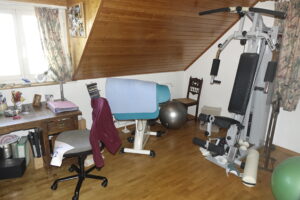
The Swiss ball, a large, heavy-duty inflatable ball with a diameter of 18 to 30 inches can used for various exercises to strengthen and stretch muscles.

The heat lamp may be an old fashioned remedy, but lying under an infra-red lamp helps muscles relax.

My chiropractic memory foam sleep pillow allows me to rest with neck support and my body pillow gives leg support and helps me maintain proper alignment during the night. The only drawback is that with all the pillows, there may no longer be enough room for your partner.

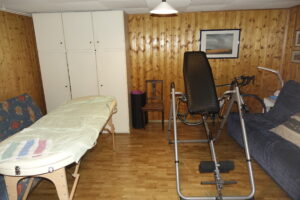
Massage of any kind helps. I even have my own (used) massage table, however it only works well if you can actually enlist another person to give you the massage.

I call the Bemer, a magnetic therapy device, my magic carpet. This mat made of a pulsed electromagnetic field (PEMF) was designed to increase microcirculation and boost the blood flow which benefits the body’s cardiac system, regenerative abilities and mental acuity. The mat is attached to an electronic device that looks like a digital alarm clock. It's supposed to heal everything from your headache to your cat's depression (no kidding) by using a low magnetic field. Improvement of microcirculation and reducing fatigue have so far been confirmed, but I am not convinced.

Ice and hot packs, the ancient standby, can be alternated for acute injury. Hot baths in Epsom salts can be used at home for good old fashioned backaches. But if you have access to thermal baths with jacuzzi or any kind of water jets you can get even greater relief.

My Everstyl reclining chair, made by a French company specializing in ergonomic furniture, was designed to give proper support to the back. This deluxe lounge chair has multi positions including a full recline which alleviates pressure on the lumbar spine.

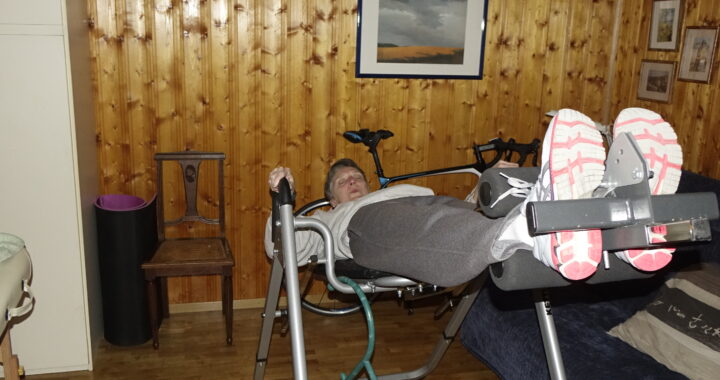
The Inversion Table is my new favorite. By hanging on a table upside down, gravity takes the weight off the vertebrae and disks.
A yoga mat is a must for stretching; it works best if used several times a day because the older you get the faster everything tightens up.

The Theragun, my husbands new favorite toy, is a percussive therapy device creating vibrations to offer a powerful deep muscle treatment.

As part of chiropractic care, I have tried TENS, massage, computerized traction and high intensity laser.

I also had a go with acupuncture, cupping, reflexology and sophrology, but I will save the explanation for my next post.

Am I totally pain free? No, but I am still upright, mobile and tracking 10,000 steps a day.

Second Chance – One Year Anniversary Changes My Perspective

On the 1st year anniversary of my second life, I wonder where am I now? I still feel lost. A year ago, I remember standing in our living room, turning to my husband to ask a question, and then face planting on our tile floor.

Days later, I woke up in a hospital thrashing against my bed rail and shrieking “Let me out! What am I doing here?”

Second ChanceMy head hurt, my face hurt, my right side hurt. One side of my head was shaved. I reached up and traced the scar dissecting my skull from my forehead to my earlobe.
On the telephone, my husband tried to explain why my head was sliced open in a 5 hour surgery and why no one, not even him, was allowed to visit me due to the COVID pandemic.

And so began a long year filled with fear, self-doubt and hopelessness.

Recovery required a team effort - a neurologist, physical therapist, speech therapist, neuropsychiatrist, rheumatologist, chiropractor and psychiatrist.

But my front line family care team kept me going day to day.

At the same time 4,000 miles away, my 89-year-old dad fought a daily battle to keep moving.

Recently, he was released from the hospital after a series of health crises that created the perfect storm. Wearing a special therapeutic boot for an infected toe, he walked off balance, leading to sciatica. Unable to sleep due to excruciating pain, the combination of pain meds and lack of sleep led to hallucinations.

I relived my accident in hearing about his. Ever the coach, in his delusions, he called out, “Keep hustling team!” And shot a wadded up pillow at a wastebasket. Ever the athlete, in mine, I blamed the nurses for hiding my basketball shoes and stealing my uniform making late for the big game.

Second ChanceWith my daughter, nieces, siblings and dear mom, helping him regain mobility and self care, my determined dad learned how to push out of his chair and walk unassisted again. Just like I once I relearned how to tie my shoes, grasp utensils, and button my shirt.
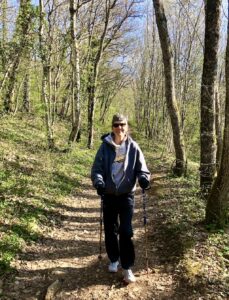
When I got out of hospital, I couldn't walk 60 yards without sitting down, now I walk 6 miles a day.Second Chance

At first, I was so frustrated. I couldn’t grip my guitar and play chords with my left hand. My left arm hung limp like dead weight. Then Gerald told me about Melody Gardot, an American jazz singer, who was hit by a car while riding her bike at age 19.

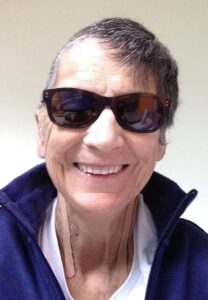
She suffered severe brain injury, broke her back and pelvis and could no longer sit to play the piano, so she taught herself to play guitar lying in her hospital bed. Like me, hypersensitive to light, Gardot, still wears dark glasses too.

Without a voice, no longer able to sing, she hummed. Unable to remember words, she wrote them down. Eventually she composed and performed again.

After my accident, intubation during surgery and hours with a speech therapist, my voice was a whisper. On long distance phone calls, I asked my daughter to sing with me like she did when she was a child.

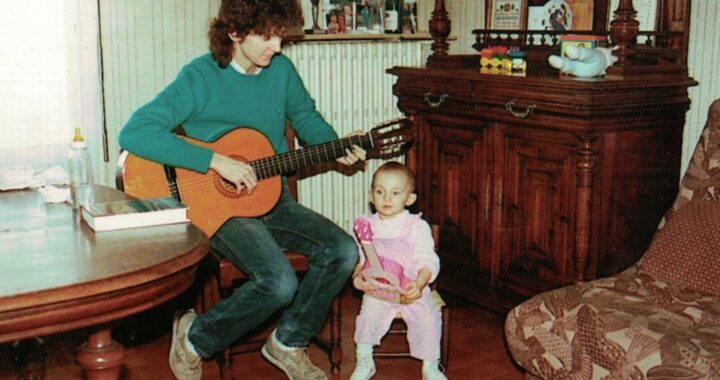
Inspired by Gardot’s story I picked up my old guitar, practiced in 5, 10, 15 minutes increments and hummed too. I dreamed of being able to strum and sing around a campfire with family this summer at Summit Lake.

Thinking about my dad and remembering my own accident, I am reminded of our vulnerability. No one knows how much time we have left. Or how long we will retain our capabilities.

The human condition is humbling.

Life offers no guarantees. Will I ever recover completely? Maybe not.

I may never drive again or ride a bike, but I can still play a song, type a blog, read a book, walk a mile and cherish a new day.

Walk in Nature – Rejuvenate Brain Power, Lift Mood, Improve Health


Remember when our mothers used to throw us out of the house commanding, “Go out and play!”: we spent the day climbing trees, making mud pies and inventing games.” Well, they were right all along. We grew strong, healthy and resilient.
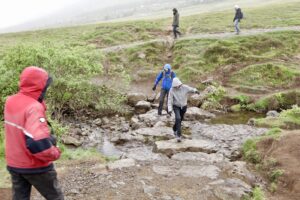
Scientific research shows that you need to get back outside. Walking in nature may benefit not only your heart and lungs, but also your brain.

Studies back what humans once knew knew instinctively. Norman Doidge, MD, notes in his fascinating bestseller, The Brain that Changes Itself, that nature and staying active help the brain stave off dementia, ward off depression and heal from injury.

Physical exercise and learning work in complementary ways: the first to make new stem cells, the second to prolong their survival.

Not only does physical activity create new neurons, but exercise also strengthens the heart and blood vessels that supply oxygen to the brain helping you feel mentally alert.
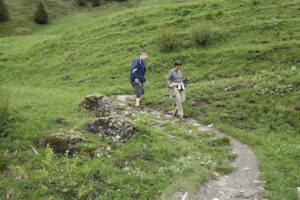
Humans were not designed to live in a world of cement, artificial screens and sounds.

“This artificiality is draining our brains and damaging our health,” nature writer Professor David Gessner explains, “some scientists would say technology is slowly ruining our lives.

One US study by Harvard and Stanford researchers shows how workplace related stress can significantly reduce life expectancy. The link between low stress and longevity is well established.

The Swiss, the second most active people in Europe after the Swedish, have one of world’s longest life expectancy. Forty-four percent of Swiss exercise several times a week and 92% are motivated to move by getting in contact with nature.

Not everyone, like the Swiss, enjoy the privilege of living in a mountainous and lake regions. Nor can everyone be located on coastal sea areas.
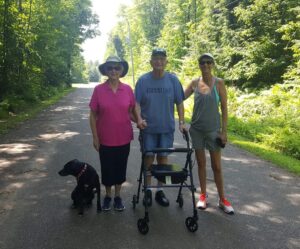
But even the American Midwest offers accessibility to nature. Minnesota - land of 10,000 lakes - offers miles of paved trails. Minneapolis-St Paul is known as one of the nations best metropolitan areas for biking/hiking. Escape to Wisconsin lives up to it’s motto as being a great get away for its lakes and forests.

The Chicago Park District owns more than 8,800 acres of green space, making it the largest municipal park manager in the nation.

Anyone living in the Cleveland area should contact my brother, who could have 2nd career as tour guide. He can find you a beautiful walking, hiking and running areas within a 20 mile radius of the city and give you directions how to get there.

National and state parks and nature reserves abound across America. Even smaller communities boast of green space, like Sterling, Illinois where I grew up, which has 20 different parks, including a favorite Sinnissippi.
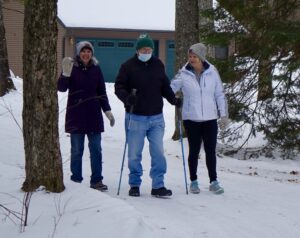
Unfortunately not all of us have the ability to walk. If that is no longer an option, ask your loved one to take you to a park where you can sit on a bench and benefit from listening to the wind in trees, watching the birds and feeling the sunshine on your face.

Those of us who can - must keep moving. My mom maintains her routine by taking steps for friends who no longer can. My dad keeps trudging along with his walker by setting daily goals to walk to the corner. And through diligent practice, I learned to regain balance, step forward without stumbling and swing my immobile left arm again after brain injury.
What’s holding you back? Get outside and shake that booty!

First Step Fighting Depression and Anxiety Seek Mental Health Help

Most people may need counseling especially these days due to the Covid-19 outbreak. Including me. One-third of the people suffering from brain injuries, like mine, develop major depression. Depression may be precipitated by genetics, circumstances, illnesses or unforeseeable and uncontrollable events. For example, the current world pandemic affects our mental health in ways we could never have imagined.
Anxiety, too, is at an all time high worldwide. We are scared of going to school and work and contracting Covid-19, or staying home for safety and falling behind. We fear our ability to pay mortgages, medical bills, rents. We worry about losing our homes, our businesses, our loved ones, about finding jobs or keeping jobs.

We are cracking up.

US cases of depression tripled from 8.5% before Covid to 27.8% now.
One in three people in the States are anxious or depressed.

Statistics in Switzerland, rated the top place in world to live for the quality of life, are alarming. Adults suffering from mental health issues before Covid were 3% and that number climbed to 18% in November 2020. Today, one out three people under the age of 24 suffer from depression or anxiety.

“The person who needs help is often times the last to realize it,” says my husband who encouraged me to get professional help after my accident and brain surgery.

If you know someone who is struggling encourage them to seek help or even better help them find it.

A good therapist can’t give you the magic solution, but they can help you find coping strategies and the right tools to move forward. They can help YOU create an action plan and locate resources — the right medications, support groups, community services or books to read to help you. They can motivate, cheerlead, validate your feelings, listen without judging, and help restore hope.

But the first step is admitting you need assistance. We never waver when we need to seek medical health for broken bones, cancer, or illness, but we balk when it comes to caring for our mental health. There is a stigma to admitting your brain is suffering, but like any of the organ can go haywire.

Would it encourage you to take action if you knew that nine people in my hard-working, high-functioning, “normal” family have at one time or other sought professional mental health care in the form of a psychiatric, psychologist or counselor? None of us are crazy.

The cause of mental illnesses are varied as the kinds. They can be caused by brain disease, genetics, chemical imbalances, injuries, PTSD, CBT (i.e.getting one’s bells rung one too many times on the football fields, hockey rings, soccer pitches.)

But due to Covid-19, no time in modern history have the levels of depression and anxiety been greater.

“The distress in the pandemic probably stems from people’s limited social interactions, tensions among families in lockdown together and fear of illness,” says psychiatrist Marcella Rietschel at the Central Institute for Mental Health in Mannheim, Germany.

The finding that women are more likely to experience psychological distress than men is consistent with other global studies that have shown that anxiety and depression are more common in women.
“The lower social status of women and less preferential access to healthcare compared to men could potentially be responsible for the exaggerated adverse psycho-social impact on women,” the researchers suggest.
Mental health professionals can help, but the work must be done by the individual.

Here is some steps that helped me:

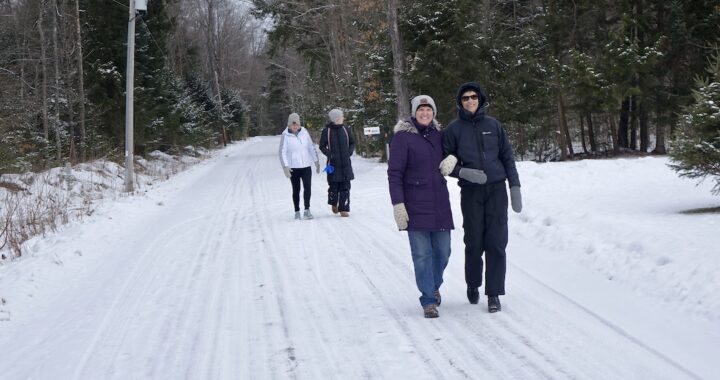
  • Walk. Go outside. Be in nature.
  • Call a mom, daughter, sister, friend, another female.
  • Make a to do list. Set a goal. Start a project.
  • Declutter one shelf, one drawer, one cupboard.
  • Make that difficult decision to seek professional help, many provide services on line through Syke or on the phone.
  • Escape - watch Netflix. Read fiction. Look at old photographs.
  • Learn something new.
  • Share your story.

End the stigma. Stop suffering in silence.

Don’t Give Up

ISUOne moment I was living my dream as a professional basketball player in Europe, driving past my opponent with perfect body control releasing the ball so gently it kissed the backboard. The next instance, I was spinning weightlessly through air when our car flipped off a 100 foot embankment into France’s La Meuse River leaving me clawing against an icy current.

The impact of the crash, broke me in half - cracked my sternum, compressed vertebrae in my rib cage, concussed my brain, blocked my intestines and ended my career instantly.

I was only 26 years old. I thought life was over.

In the long days of therapy I slowly regained use of my limbs while living 4,000 miles away from home. I wanted to give up. I had no purpose.

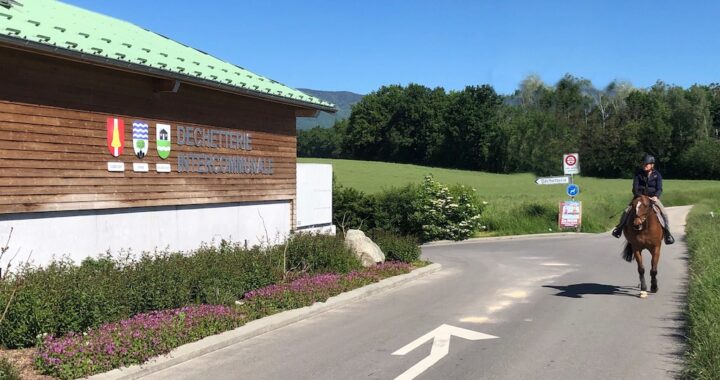
In pain and despair, I hung on, an hour, a minute, a second at a time.Lechaults on the Wolf river

I never ran or played basketball again, but I persisted and went onto to lead a fulfilling life.

I married the Frenchman, who stood by me as I struggled to carve a new identity in a foreign land. Together we raised 2 bilingual, bi-cultural kids, who grew strong, trained hard and entered helping professions, one as a pediatrician, the other as a chiropractor.

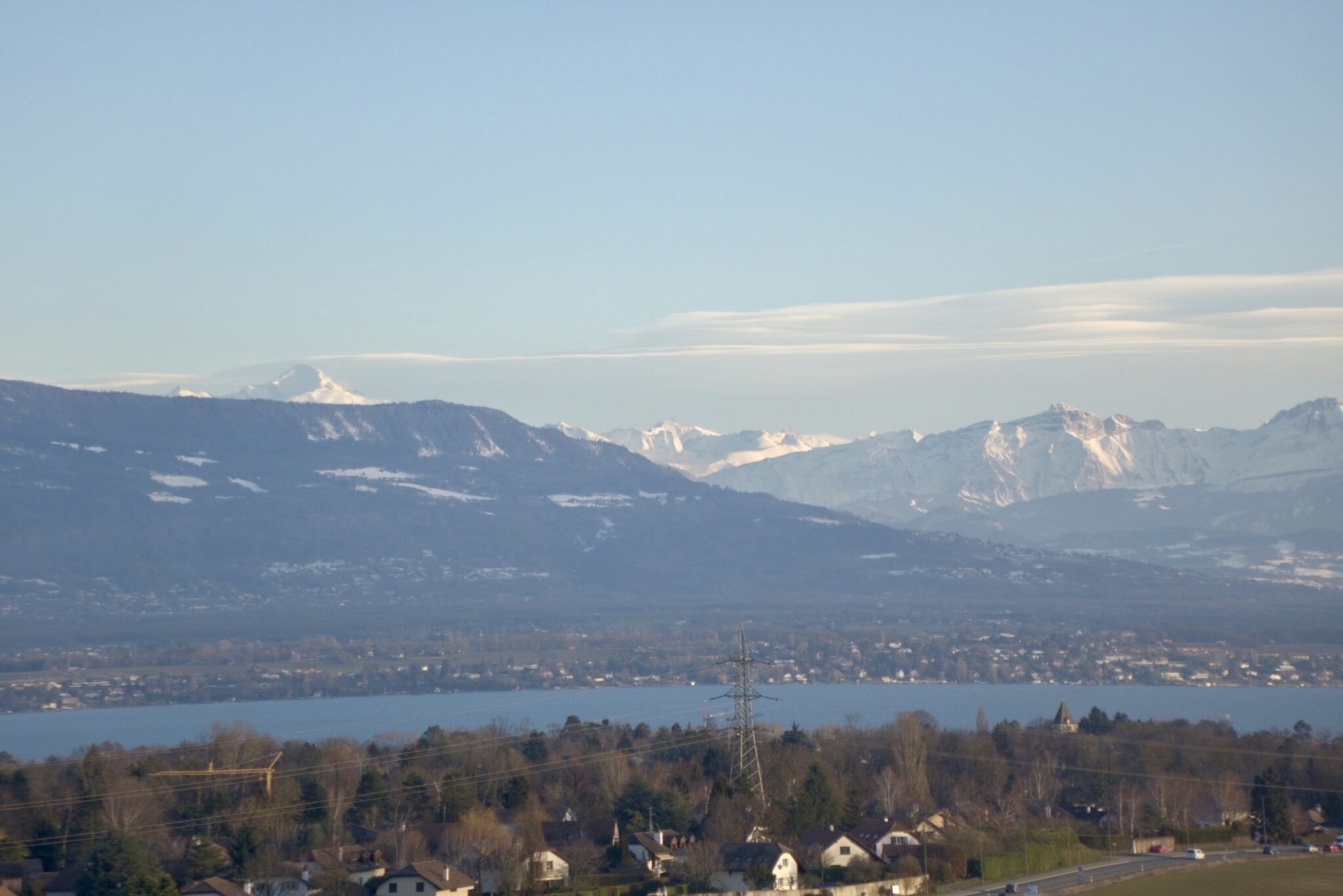
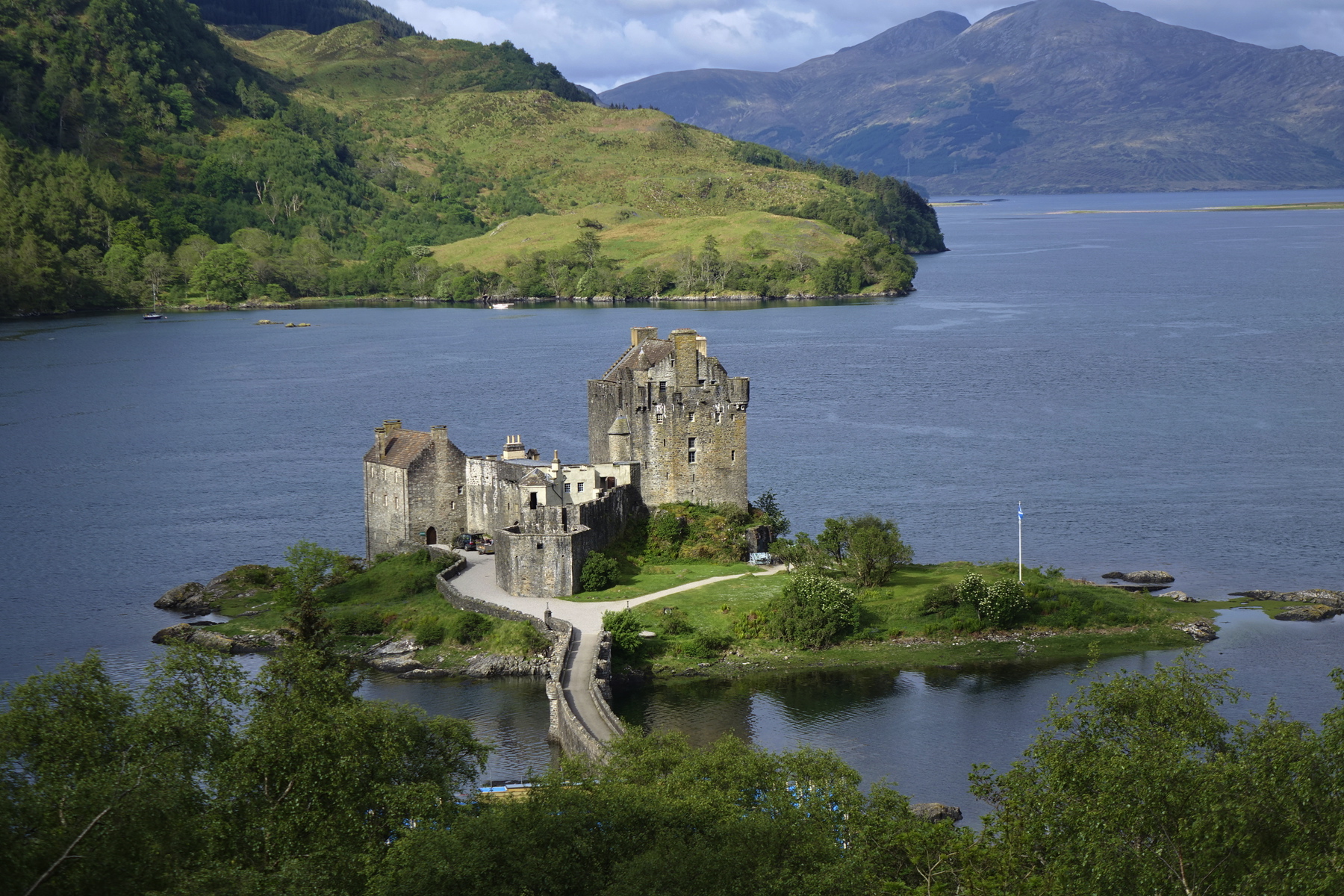
Swiss AlpsEilan Doran Castle. ScotlandI lived near the Eiffel Tower in Paris and at the foothills of the Alps on Lake Geneva. I stood on Mt. Blanc and the Acropolis in Athens. I rode horses on the beach in the Camargue and floated down the canals of Venice. I walked in the shadows of my forefathers at Scotland’s McKinzie Castle and along the Norwegian fjords of my Olson ancestors above the Arctic Circle.

When I could no longer play basketball, I thought I would never adjust to sitting the bench, but found my calling as a coach. In three decades of coaching and teaching I had the privilege of working with sons and daughters of diplomats and world leaders from around the globe from whom I learned as much as I taught.

NCAAI wrote a book that led to an invitation to speak at the U.S. Senior National Games, an NCAA Final Four basketball banquet and commencement at the prestigious International School of Geneva, founder of international baccalaureate.

During my lowest point, I thought I had nothing left to give, but I never gave up. In retrospect, I see that I had a lot left to offer and even more to learn.

Nearly 4 decades later, after another life threatening accident last spring, I struggled again to tie my shoes, walk the fields, write a paragraph, repeating lessons learned years ago. I wonder why am I here? I grapple with finding a purpose to continue.

At age 63, I am too young to put out to pasture.

Each day I lift dumbbells, walk the block, play memory games coaxing my body and mind to grow stronger in preparation for the next calling.

Coaching in SwitzerlandIn the meantime, I keep fighting to go on, pulling up someone else, pushing another forward. After all my struggles, this much I know to be true. We are in the game together.

No one gets this far on their journey without the love of family and friends, the kindness of acquaintances and the helping hand of a fellow man.

In this endless season of sadness, during one of world’s deadliest pandemics, we want to throw in the towel and call it quits. Our bones ache from the cold, grey winter, our spirits break from living in isolation and mourning lost loved ones, our minds spin with anxiety facing future uncertainties. We are each struggling with something.

Let my crazy odyssey serve as an example of hope. Take it from the kid who thought her life ended in an accident at age 26 and is still standing today. Don’t give up yet.

Better things lie ahead.

Hope. Have faith. Hang on.

Put one foot forward.

The sun will rise again.

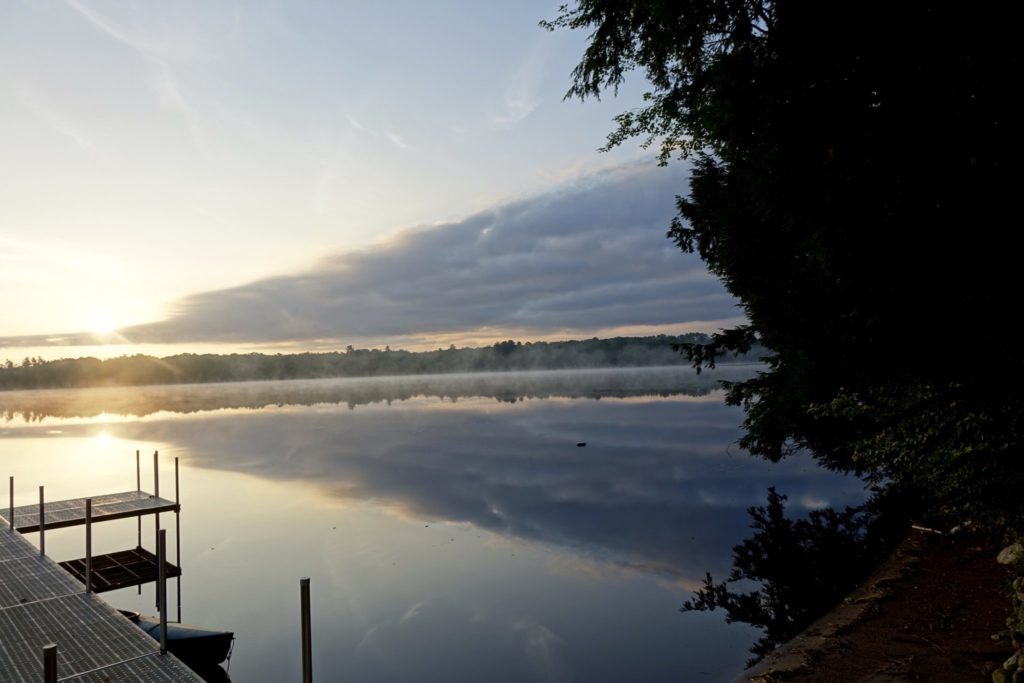
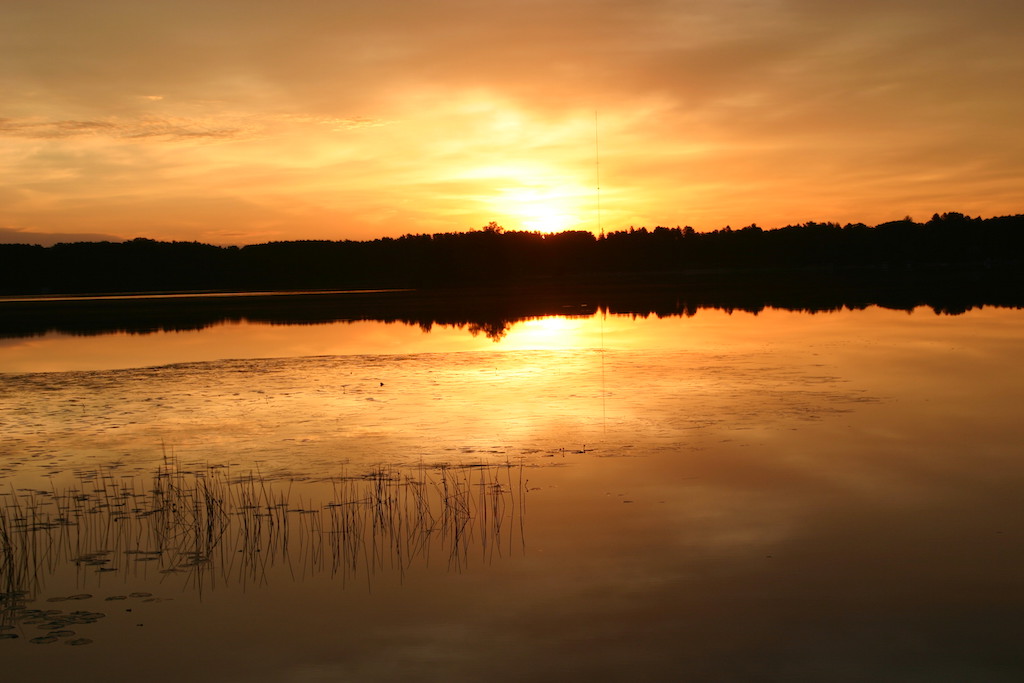
Sunrise on Summit Lake, Wisonsin

Inauguration Celebrating Best of American Story

Inauguration Celebrating Best of American Story

“Our history has been a constant struggle between the American ideal that we are all created equal and the harsh, ugly reality that racism, nativism, fear, and demonization have long torn us apart."

"The battle is perennial. Victory is never assured.Through the Civil War, the Great Depression, World Wars, 9/11, through struggle, sacrifice, and setbacks, our "better angels" have always prevailed.“

On Jan 20, President Biden’s inaugural speech offered hope signaling a new beginning in the American Story celebration. Just 2 weeks ago during one of the darkest days in our history, Trump denied election results and incited insurrection at our Capitol building to overthrow the government, threatening our 200 years old democracy, now we begin to heal and move forward.

After serving USA for 30 years as senator, 2 terms as VP alongside Obama, Biden took oath at age 78 to become our oldest President. His words, coherent and articulate, enflamed with passion and compassion, pleaded for unity and comprehension in a nation divided.

Kamala Harris, lost the democratic nomination but won the ticket as Biden’s VP and broke the glass ceiling by becoming the 1st female vice president, 1st African-American and 1st Asian-AmericanVP. She inspired young girls everywhere to dream.

And 22-year-old Amanda Gorman, the youngest ever national poet laureate, compensated for an auditory processing disorder and held nation spellbound with her lyrical words, as she recited “The Hill We Climb” to the world.

Oldest President, first ever African-Asian-American female VP and youngest poet laureate. Old, Young, Black, White. This is America. Land of opportunity. For all.

Gorman. who overcame a speech impediment, stood tall; her voice like a healing balm, rang steady in a soothing cadence and natural rhythm.

The Hill We Climb

“…Where a skinny Black girl
descended from slaves and raised by a single mother
can dream of becoming president
only to find herself reciting for one
And yes we are far from polished
far from pristine
but that doesn't mean we are
striving to form a union that is perfect
We are striving to forge a union with purpose"

…/… (link to the full speech video)

America boasts of sports icons, movie stars, media moguls, but our real champions are these folks who fought the odds and overcame terrific personal losses to keep fighting.

On a smaller scale, heroes exist within our own families. Like my maternal grandparents who came to America for a better life. When my Norwegian grandpa Gustav lost his job during the Great Depression, he walked to the Chicago Public Library everyday to read books because he always wanted to be educated but never had the opportunity.

Or my paternal grandparents who lost 2 sons. Instead of becoming bitter, they dedicated their lives as teachers and college coaches guiding other people’s sons into adulthood.

Or my parents who spent their careers as educators in the same community not seeking praise, but finding peace knowing the value in helping a child read better, stand taller, be braver.

Or me. Losing everything. Beginning again. Not once. But twice. Learning to grip, walk, talk, read and write. Never giving up in spite of great physical pain and emotional despair, looking outside of self to encourage another to get up and go on too. To continue my mission inspiring courage, breaking barriers, creating connections internationally.

That is our American story. Perseverance. Pioneer spirit. Resiliency. Courage. Tolerance. To rise up again. To rebuild Together. Hand in hand. As Biden concluded in his speech:

Here we stand, in the shadow of a Capitol dome that was completed amid the Civil War, when the Union itself hung in the balance.
Yet we endured and we prevailed.
…/…
And here we stand, just days after a riotous mob thought they could use violence to silence the will of the people, to stop the work of our democracy, and to drive us from this sacred ground.
That did not happen.
It will never happen.
…/…
And together, we shall write an American story of hope, not fear.
Of unity, not division.
Of light, not darkness.
An American story of decency and dignity.
…/…
May this be the story that guides us.
The story that inspires us.

Link to the full speech video

This is our America.