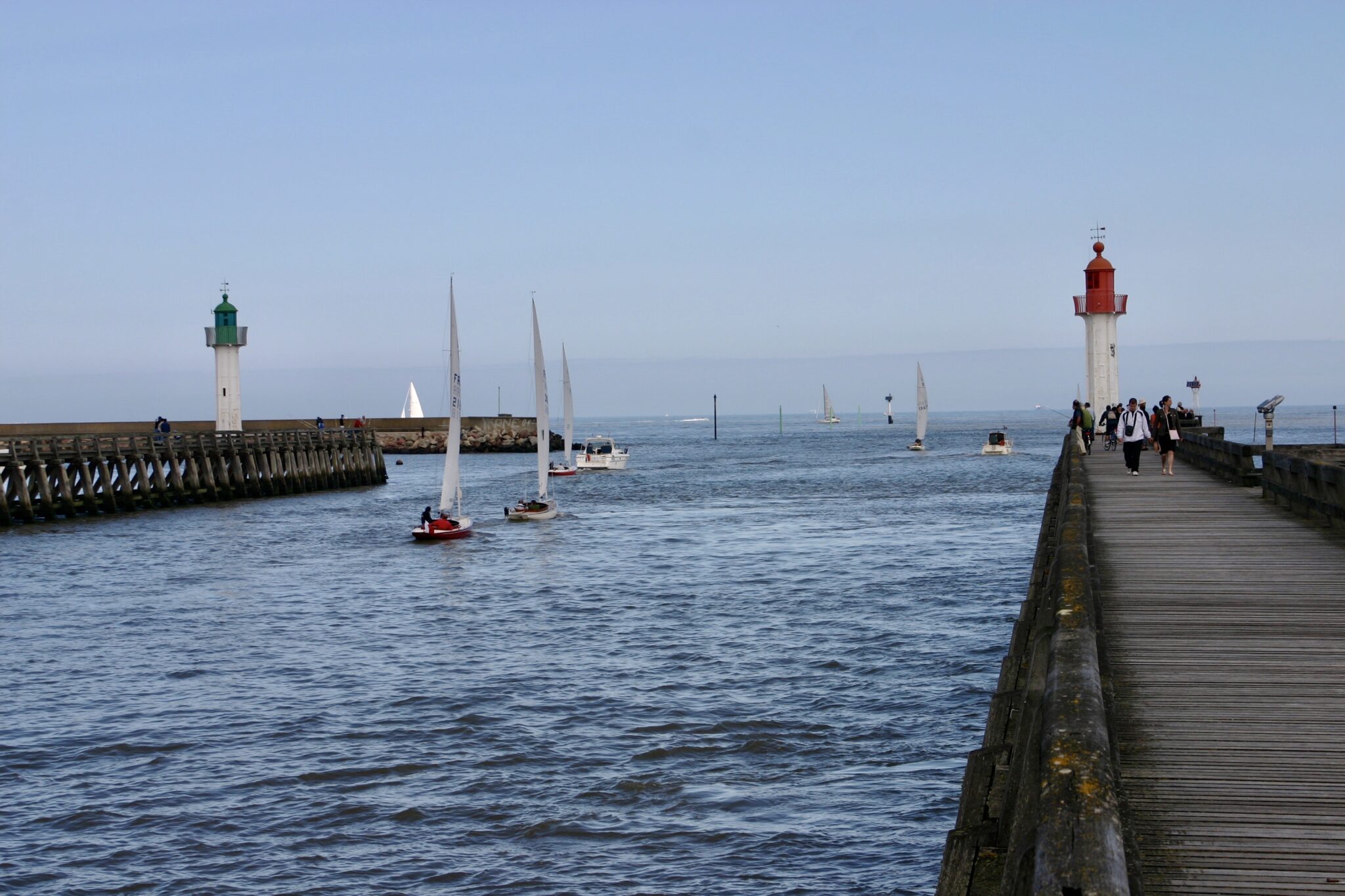
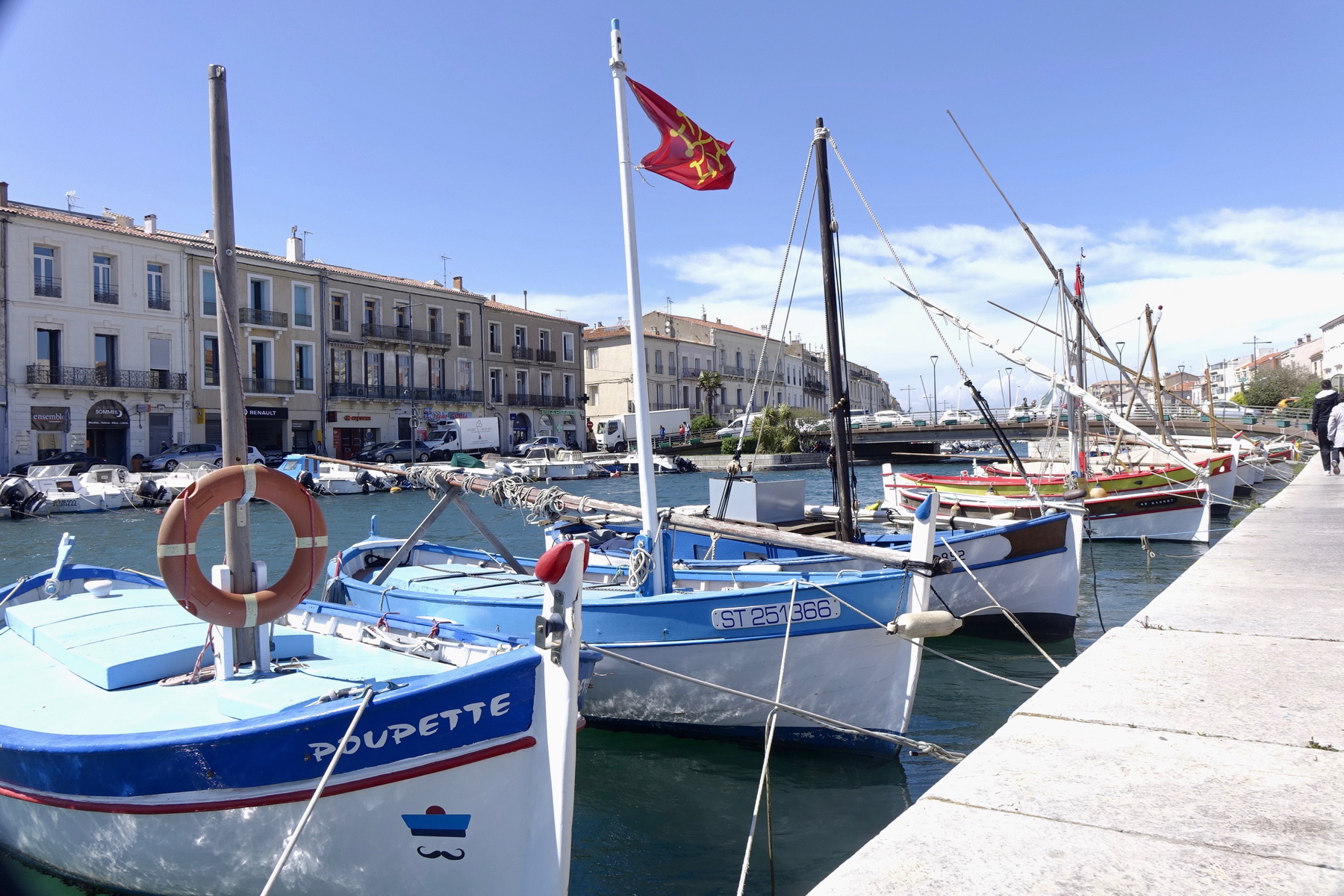
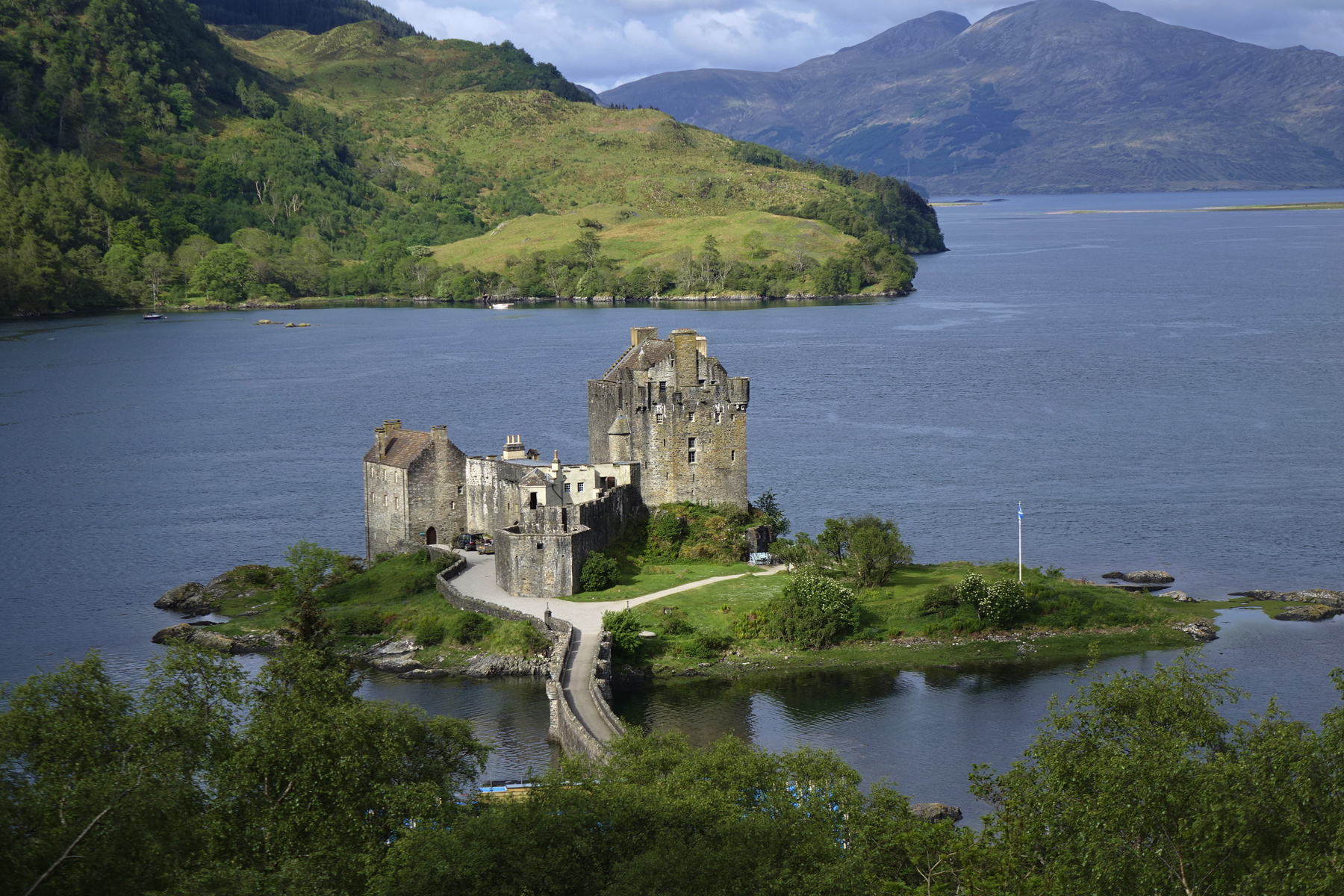


 I climbed into the steel reinforced bunkers overlooking the Normandy landing beaches on Pointe du Hoc eighty years after the Rangers overtook the strategic German lookout 90 feet above the English Channel. I pictured a 19-year-old American boy jumping out of a PT boat into icy waters, with nothing more than a gauze bandage for comfort on a stormy dawn illuminated by gunfire.
I imagined him staggering across the dunes, dodging bullets and booby traps, clawing at the red cliffs, crawling through the hedge rows, groping for life in a foreign land, shooting at the shadows that could be his own comrades. He was an American soldier killing boys/men, who would have been his friends in another time and generation.

Here rests in honor glory a comrade in arms known but to God
I am of another time and generation — an American with a French-Normand spouse and German friends. Though I’ve been to Normandy hundreds of times, I visited the Normandy American Cemetery (outside St. Laurent) just once.
Only when standing on the hallowed grounds, where Americans lay under a blanket of emerald earth, marked by 9,386 white crosses, could I truly understand the enormity of their great and tragic endeavor on June 6, 1944.
On a rainy day, Normandy’s landscape offers a bleak reminder of her sad past, but on sunny ones the murky coastline, black sea, and gray fields are transformed into a tapestry of colors. Orange cliffs drop off into purple waters. Inland reddish-brown Norman cows and pink apple blossoms dot verdant hills under powder blue skies. Soft light white washes half-timbered houses and solid stone farm houses that remain as they were centuries ago.
The beauty and tranquility of Normandy today could drive a full-grown man to tears. And I, who am too young to have understood the impact of World War II, get a lump in my throat every time I return to the dairyland of northwestern France on one of those pinch-me-I-am-dreaming days of sunshine.

my husband's village on Normandy shores
Decades ago, on one of those sunny days, I pedaled my bike past red poppy fields and green valleys where newborn calves and lambs romped. I devoured veal “à la Normande,” Camembert cheese and berries in cream. Somewhere between the first and last course, I fell in love with a Norman.
Now the sacrifices of the men of the great war, their silent testimonials of white crosses that cover the rich green hills above the beaches Utah, Gold, Juno, Sword and Omaha have taken on special meaning for me.
They are my countrymen laid to rest in my adopted country. In a sense they saved my family.

freedom for the next generation
Every time, we used to visit Dieppe, (France) to see my grandfather-in-law, he’d greet me at the gate chanting the Star Spangled Banner.
“Ah, ma petite Pat,” he’d say recounting the highlight of his career as a trumpeter in the Garde Republicaine “I’ll never forget riding Lustucru (his horse) across the courtyard. The Allies landed in Normandy on June 6, but didn’t make it to Paris until the end of August. We waited for four long years…never quit believing they’d make it.”
He’d stop and pull a handkerchief from his suit pocket and wipe his eyes, before continuing, “Never forget how I blew the trumpet that day to welcome the Americans — greatest day of my life.”
The old heart does not forget. Now even though my generation never knew the horrors of war, my young heart will remember. When I stood in front of a sea of stark, white marble crosses, I felt overwhelmed by a debt that can never be repaid.
Suddenly I knew the unknown soldier — he was my father, my brother, my countryman, who died so nobly and unknowing, so that today I might live in freedom and peace in a land whose magnificence offers its own thanks to the skies.
Rest in peace my comrades-in-arms. You have not died in vain. I wish my words could transcend time so you could know. Because of you Normandy today, like the true Normans, remains proud and gracious.


 From the window of our son and daughter-in-law’s home in Warwickshire, England, I was admiring the red, brick barns and lush, green fields when suddenly a head floated past, just above their back hedge.
 century. In the past, a boy riding a bicycle prepared or set locks ahead of a boat's arrival. Nowadays, the woman aboard, carrying the lock key, hopped off onto shore to open the gate letting the water rise or fall, while the mister stood at the stern manning the rudder bar.
 Revolution, the canals system provided a commercial transport network until the the railways prevailed.
 Only a sunny day, a carnival atmosphere prevails. I felt wistful watching the colorful boats parade past on the lazy canal. Whimsically, I imagined ditching real life and drifting down the canal without a care in the world.

 I was excited as a two-year-old to take my first walk in wellies across the beautiful British countryside (I am easily amused.) Wellies, the symbol of British culture, reflect the lasting legacy of the Duke of Wellington and the term carries a sense of tradition, practicality, and British identity.

 The British waterproof gumboots are usually made from rubber or PVC. Traditionally Wellies come in black, olive green, tan color or print and hit just below knee level.
 Today's wellies, with varied color options and patterns, permit people to add personal style to functional footwear. They can be paired to match every outfit and occasion.

 I don’t have a regular post this week, but I have been working on an issue that weighs heavy on my heart and is important for everyone.
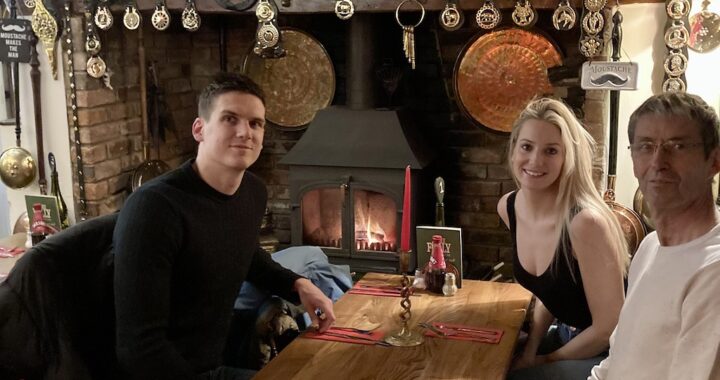
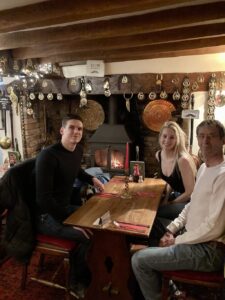 When my son married a beautiful British-Irish-Ukrainian woman, we were given an insiders peek into UK life, which begins and ends at the local pub. Going to the pub for a pint is as much a part of British life as a coca cola and Friday night football is to an American.
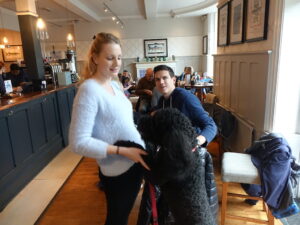
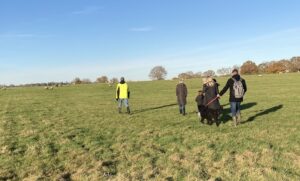 “I don’t see any signs allowing us to hike on their property,” I said.
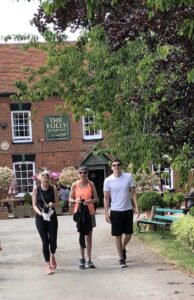 “A phone app indicates where it is okay to go,” said Larissa. “But it’s mostly common sense. You wouldn’t walk through field of donkeys or free range horses. It’s at your own risk if you try to cross a field of buffalo.”
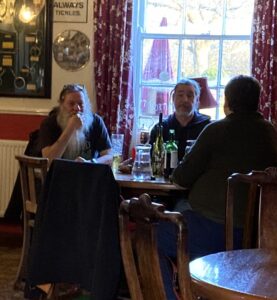 drinks, after our hike, we were so thirsty, we opted for cokes, beer, and the local cider. The little boys sat politely at the table enjoying snacks.

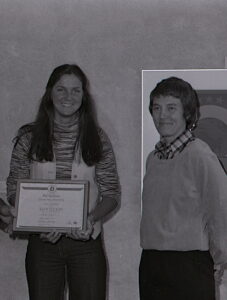
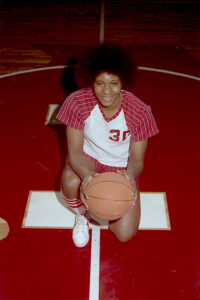
 Half a century ago, no one paid any attention when my friends and I played basketball. We got kicked off the court, but shoved our way back in the game, clearing the lane for Caitlin Clark, Angel Reese, Paige Bueckers, Juju Watkins and the contemporary stars of today.
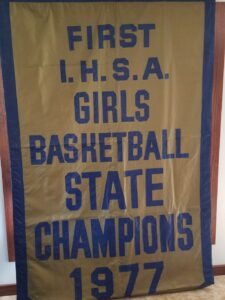 In the sixties, in my own second grade story I wrote about the lockers playing a basketball game against the waste baskets during recess. Back then, I imagined inanimate objects in school had a greater chance of competing in the game than girls. Yet, like my sports loving peers, we shot hoops anyway creating a path so new that no one envisioned its existence.