Jump Start Brain and Body – Learn a New Sport

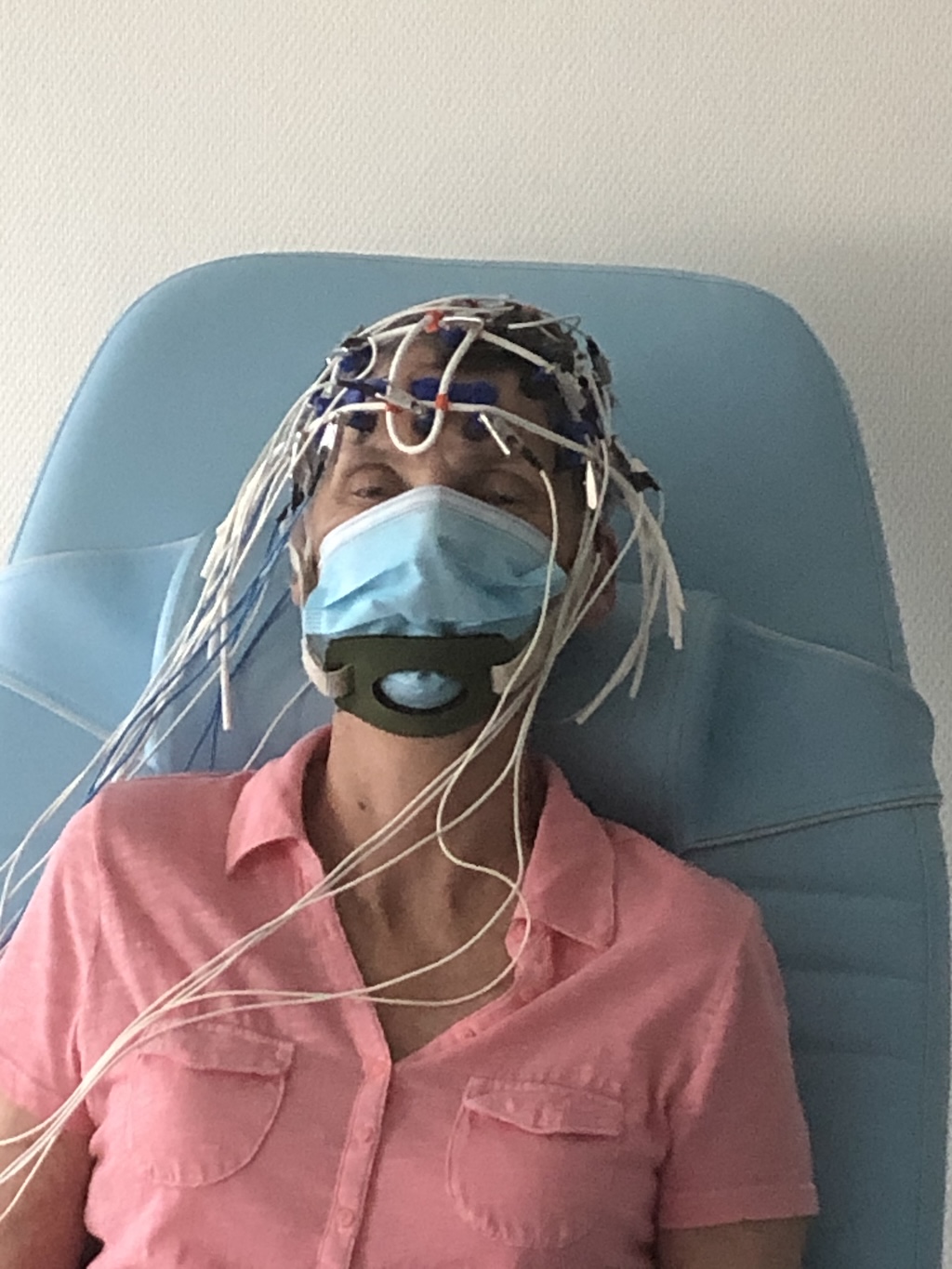
Feeling old, achy and foggy brained? Experts say learning a new skill is recommended for our rusty bodies and aging brains. For me, relearning old skills is equally valuable. It is never more important than after suffering a traumatic brain injury (TBI) which can effect spatial awareness, balance, proprioception, executive function, listening, speaking and emotional stability.
Like so many people after injury, illness and accidents, I was forced to reframe my life. Once I retired from playing pro ball, I dreamed would learn to scuba dive, alpine ski and surf. I’d run marathons and bike mountains.

Well, that hasn’t been an option for decades.

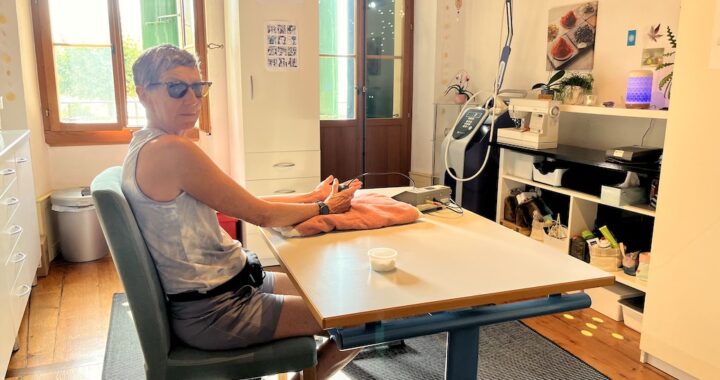
So when my chiropractor in Geneva (Switzerland) suggested that I try “rope flow” to help strengthen my core, align my back, retrain my brain to better coordinate both hemispheres and work my lazy left side, I was all ears.

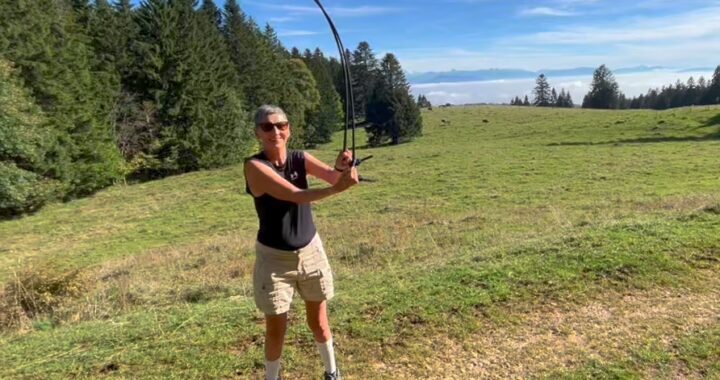
In Dr. G’s office, I watched in awe as he demonstrated swinging a heavy rope around his body.

“Jump rope sans the jump for injured adults!” I said.

“Actually, a heavier marine rope like sailors use works better,” Dr. G explained. “The sailboat boutique across Lake Geneva in Nyon carries all different sizes.”

Then he went onto explain the history.

“David Weck, an American, created rope flow to help people recover rotational movement and to reinforce how we walk, run and move. Rope wave, quickly adopted by elite athletes and movement coaches, has become a valuable training tool for improving mobility symmetry, coordination and striking power.”

At first glance, rope wave looks easy. It’s not. It involves swinging a rope around your body in coordinated patterns like figure-eights, while shifting your weight and rotating your spine, shoulders, and hips with rhythm and control.

I was delighted to discover a game that I can play without getting hurt as long as I don’t whip myself on the back of my legs or lips.

If you perform rope flow properly, the rapid rhythm builds a smooth, effortless coordination across both sides of the body. Rope flow is symmetrical. You rotate both left and right, retraining your non-dominant side and this helps smooth out imbalances.

YouTube player

Rope flow is ingenious for its affordability, convenience, practicality and simplicity. This portable habit helps rewire the way I relate to my body. It is probably even more valuable for people like me who suffer from the effects of a stroke or TBI where message systems in the brain are damaged and to weakness on one side of the body.

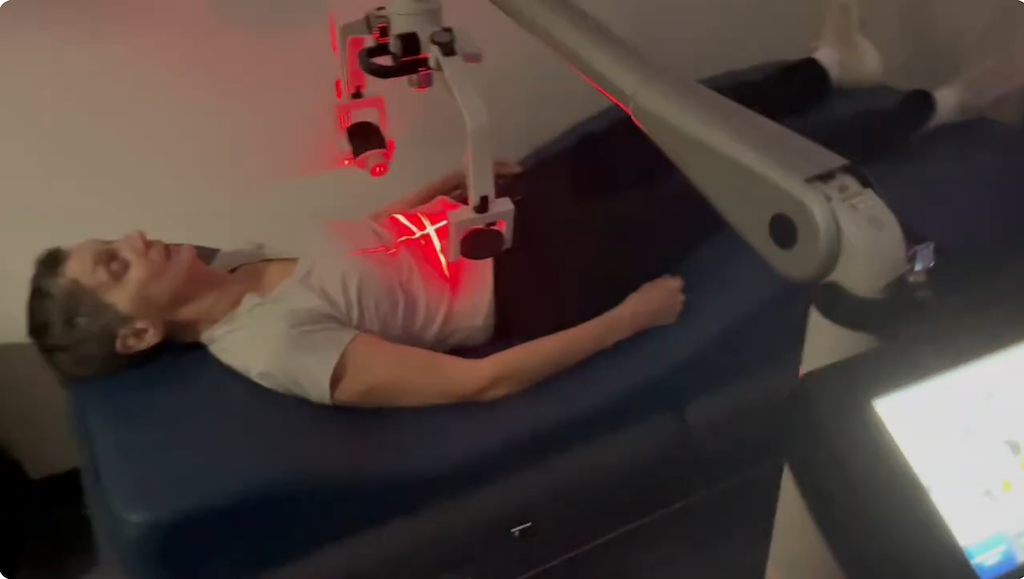
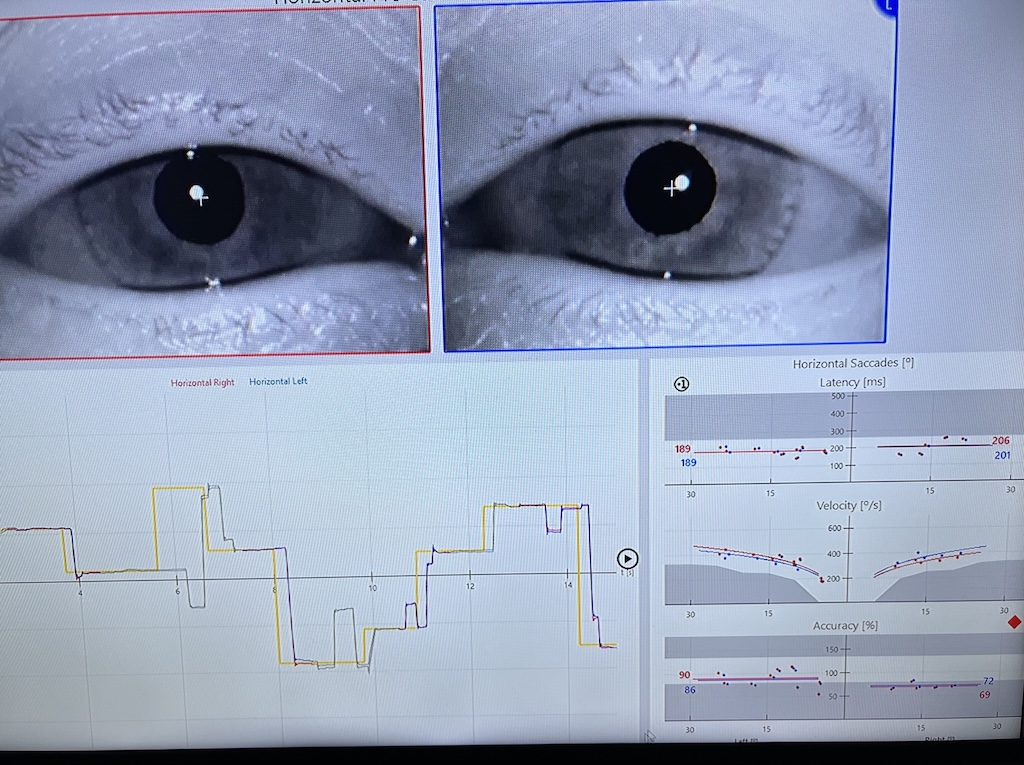
After my time at the Functional Neurology Clinic in Minnesota, I learned how neuroplasticity allows the brain repair itself. After my brain surgery, messages did not get to my left side. Rope flow trains the brain and the body simultaneously and I would recommend it for anyone recovering from a TBI.

I am learning to accept my limitations, no more hooping, running, jumping. No kayaking, canoeing, golf, tennis, pickle ball or any asymmetric sport requiring lateral movement. For me, traveling in cars and planes or even sitting must be minimized.

So I was encouraged to finally find a sport I can perform with my broken body; it’s even good for me.

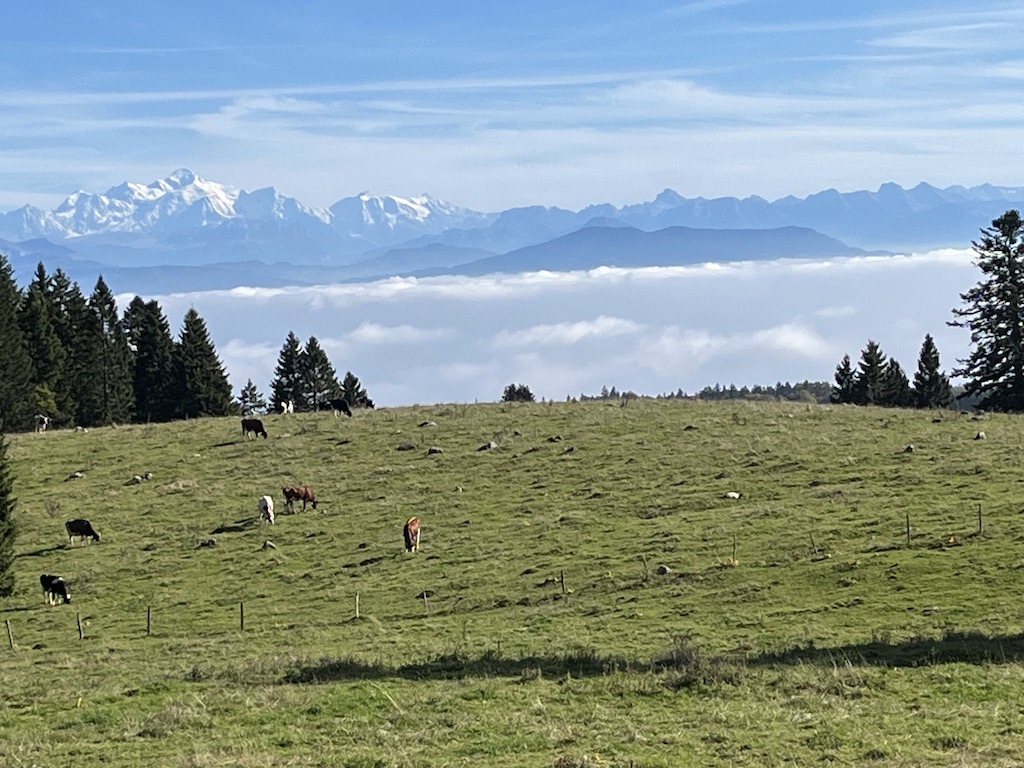
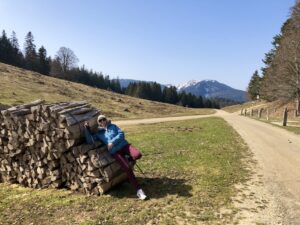
Granted I look a bit crazy, but who cares? I swing my rope, whistle like my dad used to, hang out with cows up in mountain meadows and admire the panoramic Alps.

It is highly unlikely that you can find an instructor in your area, but David Weck, Tim Shieff and other experts offer detailed videos breaking down movement into steps.

So pick up a rope, put on your favorite song and swivel those hips.

Yahoo! Clear the way! Look out! I’ll lasso you…my first dream was to be a cowgirl!

Health Care Professionals Deserve Standing Ovation

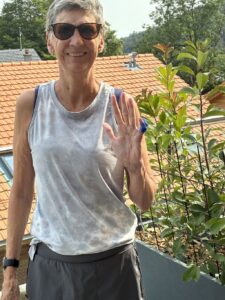
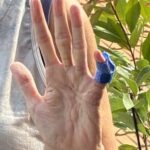
I stopped blogging when overgrown connective tissue crippled my fingers from Dupuytren’s Contracture, a hereditary condition. A hand surgeon split my palm open, removed the diseased tissue and attempted to straighten my little finger. The dozens of ragged stitches across my hand healed, but on top of muscle memory, the tendons and ligaments pulled my finger back into a clawed position in a protective natural reaction.
If my pinky was the only problem, I could cope, but while addressing other ongoing health issues, doctors concluded my spine, damaged in too many areas, can’t be fixed. Nothing more can be done medically to alleviate my back problems. My knees are kaput too.

I limp along trying to remain upbeat.

And failing.

Never a candidate for back surgery, knee replacements loom ahead and my finger may be contracted forever. Un-huh. No way. No pity party for me. A hearty can-do cheer would be welcomed.

When my surgeon suggested I see an ergo-therapist,(occupational therapist, aka a hand specialist) for the first time, I thought, “oh no, another specialist!”

Then, I gave it a go.

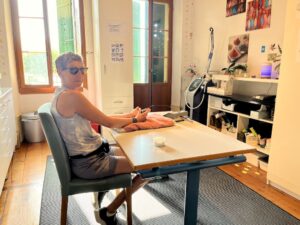
After a half a dozen visits, the ergo-therapist put my hand in thin, plastic glove and dipped it in warm, melted wax. Then she kneaded my palm and finger to break up scar tissue, restore mobility and coax tendons to loosen their hold on the joint.
I fought back tears of frustration.

“Go ahead. Cry,” she said, patting my arm. “Progress is slow, so hard to see or measure.”

While I gathered my composure, she crafted splints to straighten my finger.

“Wear the hard, plastic orthotic at night; the velcro one in the day,” she instructed. “If it’s too uncomfortable, take it off. Wiggle your fingers. Go for a walk. Relax. Sometimes our bodies need to heal in their own time.”

My physical therapists and chiropractors, too, have always emphasized that mind/body connection. After my accidents, they partnered with me to help me recover and regain as much mobility as possible.

Modern medicine has evolved thousand-fold, but healing remains an ancient art. Those called to the profession — like my son, my daughter, my nieces — are gifted.

Lately, the medical field has been broadsided. Healthcare workers face endless scrutiny and skepticism under a tsunami of misinformation on social media and inaccurate directives from the authorities. That, along with major funding and resource cuts, make their job even harder.
Skilled surgeons helped spare my life, but it was auxiliary health care professionals — therapists, chiropractors, masseurs, counselors, nurses— that saved my broken heart when I wanted to give up.

Never underestimate the healing power of those dedicated people, whose soothing voice and gentle touch (like my “hand whisperer”) ease suffering and save souls.


They restored my faith in humanity.

Kindness matters.

More than ever.

Keep Walking


“I considered my options
There was only one I knew
There was always only one.

To keep walking.”

from Brave Enough by Cheryl Strayed


So simple, yet so profound. Trapped in my royal blue funk, regretting, lamenting, mourning for all the things I can no longer do, I take comfort in the words of a woman who walked the Pacific North Trail solo and chronicled her journey in her best selling memoir Wild.

I can’t ski, skate, bike, play basketball, or pickle ball or any kind of ball game. I can’t hop, skip, or jump. But I can stand tall. Shoulders back, chin up, head high. I can put one foot in front of the other.

Why is that so hard to do? I feel like rigor mortis set in while I sleep. When I wake up each morning, I am caught by surprise. So I roll out of bed, crawl onto my yoga mat, stretch my stiff limbs and marvel.

I am still here.

Alive.

Each new day is a clean slate. A chance to get it right.

I remember to smile, be kind, offer encouragement. Someone else is in much worse shape, facing far greater trials, struggling to survive in tougher circumstances.

Today I had an epiphany.

I am an athlete. Still. Only now I am training for life.
Though I will never again play my beloved ball games, I can raise my arms, clap my hands, stomp my feet, wiggle my hips, shake my booty. I can still dance.

I inherited the iron will of my ancestors whose footprints I try so hard to emulate in spite of setbacks.

My father and grandfather, good sportsmen, great coaches, dedicated their lives to helping others find their way and offered me stellar examples of resiliency. They remained athletes at heart, determined to stay as active as their bodies would allow until their final hours.
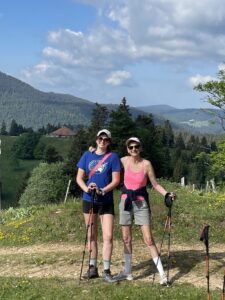
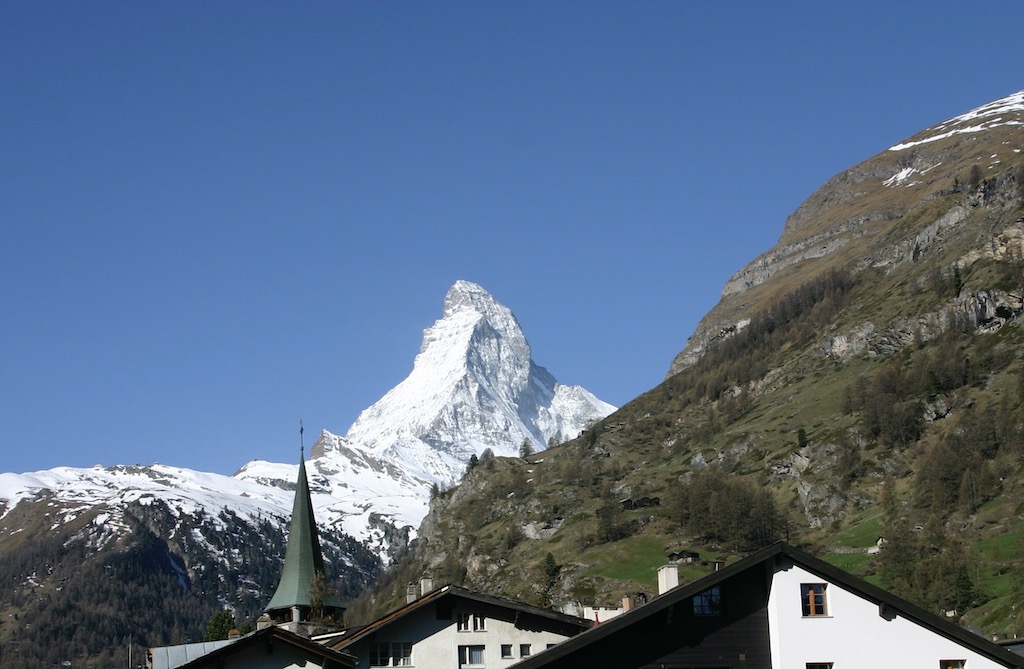
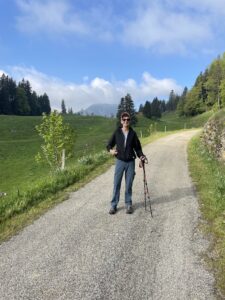
I can still move.

I may be slower, stiffer, clumsier, but I can sit, stand and even roll over like Rover.

I’m lucky to be here!

Right now.

Today.

We, human beings, take so much for granted until it’s gone.

Aging can be a losing game. Combined with bad luck, terrible accidents, and bizarre ailments, no one can perceive what challenges await.

Today is our only guarantee.

Seize the moment.

Be brave enough to take another step.

As a child I hated to walk, I would rather run. Walking was too slow, too boring. Now walking saves my soul.

We are all just walking and walking, trying our best to find our way.

To stay the course.

To step forward.

To believe.

Eventually all roads lead to the mountaintop.


Calamity House Move with COVID and a Fractured Sacrum

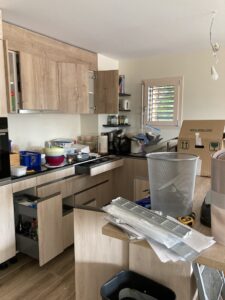
Everyone has a crazy moving house story to share, but can you top this?Changing a domicile, never easy in the best circumstances, becomes an even greater challenge when unforeseen complications arise.
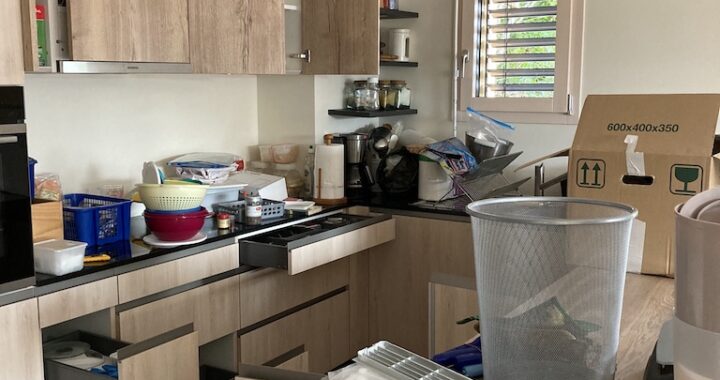
Due to an accident, illness and life-coming-at-you, our long awaited relocation became extremely difficult.

The first snafu arose when our moving company insisted they had only one day available to move us in 2023. Even if the house wasn’t ready by mid October, who are we to argue? We rescheduled 8 previous moving dates. No wonder he wants us out of his storage space. We can’t complain. For two and a half years our mover even stored our car during holidays and shuttled us from the airport.

As the move-in date approached, our anxiety increased. To de-stress, a few days before moving day, I walked our usual trail next to our Airbnb. The path wound through the woods, then down a steep slope to the train track. Ba-da boom! Whoosh! My feet slipped out from under me; I landed smack on my tailbone, walking sticks flying.
Luckily, I had my phone, so I called Gerald for help. Poor guy! How many times has he rescued me?

After my first misadventure, he fished me out of a river! My former college teammate, who played ball with me in Germany, always introduced me as, “My friend, who jumped off the cliff with me in France.” (Referring to our career ending car accident cascading off a bridge over the La Meuse outside of Verdun.)

Now I can add skidding down a mountainside to my escapades.

After I picked loose gravel out of my shoulder and forearm, I limped down the mountainside whimpering. When the trailed leveled out by the track, I staggered alongside the little red, two-car train that shuttles commuters up and down the mountain.

In a flashback, I relived my first spinal injury, which my best friend and coach surmised was the onset of my back problems.

“I remember we were playing pick up ball. You stepped in front of a linebacker to take the charge,” Phil recounted, “and hit the court so hard, I heard the crack.”

“`I prayed stay down Pat, stay down,`” he said, “but you popped right back up like one of those inflatable clown, punching bags.”

Does my body have PSTD? Reverberations of the past injury shot through my spine.

At the trail head, Gerald helped me to the car insisting we rush to the emergency room. I refused. I have been in one too many hospitals one too many times.

“Let me call Nic,” I pleaded, crawling in the backseat and curling into the fetal position.

Back at our Airbnb, Gerald texted our son at his chiropractic office in Warwick, England. Nic called back and after I described my fall and the location of pain, he tried to reassure me, “ I can’t diagnose you over the phone. Hopefully it is just bruised. You can wait a day or so to see if the pain worsens; if it’s broken, the treatment is the same. It just takes longer to heal.”

I laid on an ice pack, then took a warm shower while Gerald rushed out to find a donut pillow for me to sit on like Nic suggested.

The next day, feeling worse for the wear, I finagled an urgent appointment with my doctor at a hospital nearby. This sport and rehabilitation specialist, aware of my history, was already treating me for chronic knee and back problems. She checked everything thoroughly and diagnosed, “Contusion et fissure du sacrum.”

As if my accident wasn’t enough was to deal with, Gerald was battling a cough, sore throat, headache and fatigue. We called our daughter for advice.

“I am pediatrician. I treat kids, not geriatrics,” she said and chuckled. “I’d recommend that you start by taking a home Covid test.”

Bingo. Positive. Gerald slept, coughed and moaned for the next three days. Though I tested negative, I plowed ahead with an ever increasingly sore throat, burning trachea, inflamed sinuses and tightness in my chest. Two days later, feeling worse, I retested for Covid. Positive. Again. (And the second time around was worse than the first!)

On moving day, I couldn’t get out of bed, so Gerald headed to the house solo to help the movers figure out where to put stuff.

Moral of this story: in crisis call adult kids for reassurance, regardless of their profession, hearing their voice will give you a lift. And never move a house under the influence of Covid especially with a busted butt!

Rise Again An Inspiration

rise again in the Jury mountainsThis is the second year anniversary of my death. Only I lived. How do you process a near death experience, when you realized you could have, should have, would have died? Without the miracle of emergency helicopter transport, highly skilled neurosurgeons and endless encouragement of therapists, family and friends, I wouldn’t be here.
I feel guilty. Why am I still here when so many other younger, brighter, better people have died so senselessly in accidents, illness, war, COVID and other catastrophes?

I must use my time to do something meaningful for others. Why else are we here on earth if not help our fellow mankind? On April 10, 2020, I had an accident from which I am still recovering; but I had already lived over 6 decades.

A former student’s battle back from brain injury was eerily similar, but so much worse. Gordon was only 13 years old when he hit his head in a tragic ski accident. He spent months in a coma in Grenoble, France and then many more recovering in a children’s rehabilitation hospital in Zurich, Switzerland. He eventually returned to school. Now he is turning his tragedy into inspiration for other kids.

I can relate to every scene of Gordon’s honestly raw documentary as I relived memories of my hours of therapy. I stumbled down the hallways of my rehab center gripping wall bars, I repeated numbers and letters on flash cards and molded lumps of clay to regain dexterity in my fingers. I learned to lift my foot, swing my arm, hold utensils.

hiking the Jury

I scowled at my occupational therapist when she tried to reteach me things I’d learned as a two-year-old like wash my face, brush my teeth, wipe my butt.

In the basement hallway of the hospital I paced, stopping in front of the door labeled “Morgue,” giving thanks for my great fortune. I could be dead. I pushed through exhaustion, humiliation and hopelessness to heal.

In the aftermath of a brain injury, I raced against time to maximize a phenomena known as neuroplasticity. One can retrain the brain using different neurons to compensate for those severed in the brain from trauma.

After hours of occupational therapy, physical therapy, speech therapy and neuropsychology, I collapsed in bed falling asleep only to be woken minutes later by another therapist to take me to my afternoon sessions. I wanted to scream, “Go away!”

Instead I set goals - get outside the hospital, outside my broken body, outside the prison in my mind.

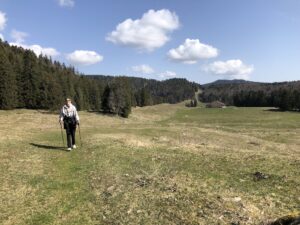
rise again in the Jury mountainsTwo years later, I can walk for miles, talk for hours and swim again. I must appreciate how far I have come and accept that my rehabilitation journey is ongoing with therapy, treatment, and exercise until recovery becomes my way of life.

Gordon, an inspiring teenage boy, who came back from the brink summed it up when he recounts what he learned on his unexpected journey.

“There is always something to be grateful for no matter how unlikely. Beauty surrounds us, but we have to CHOSE to want to see it.”

“Never compare yourself to others. Each person has their own journey.”

“Life is full of challenges; it is not always meant to be easy. It is not what happens to us; it is how we chose to respond to it. Goals happen only when we are challenged and this is opportunity.”

Before he even took his first steps, Gordon set a new goal - walk over 2000 meters up the Schilthorn Mountain in Switzerland.

He did it.

Here is his story.

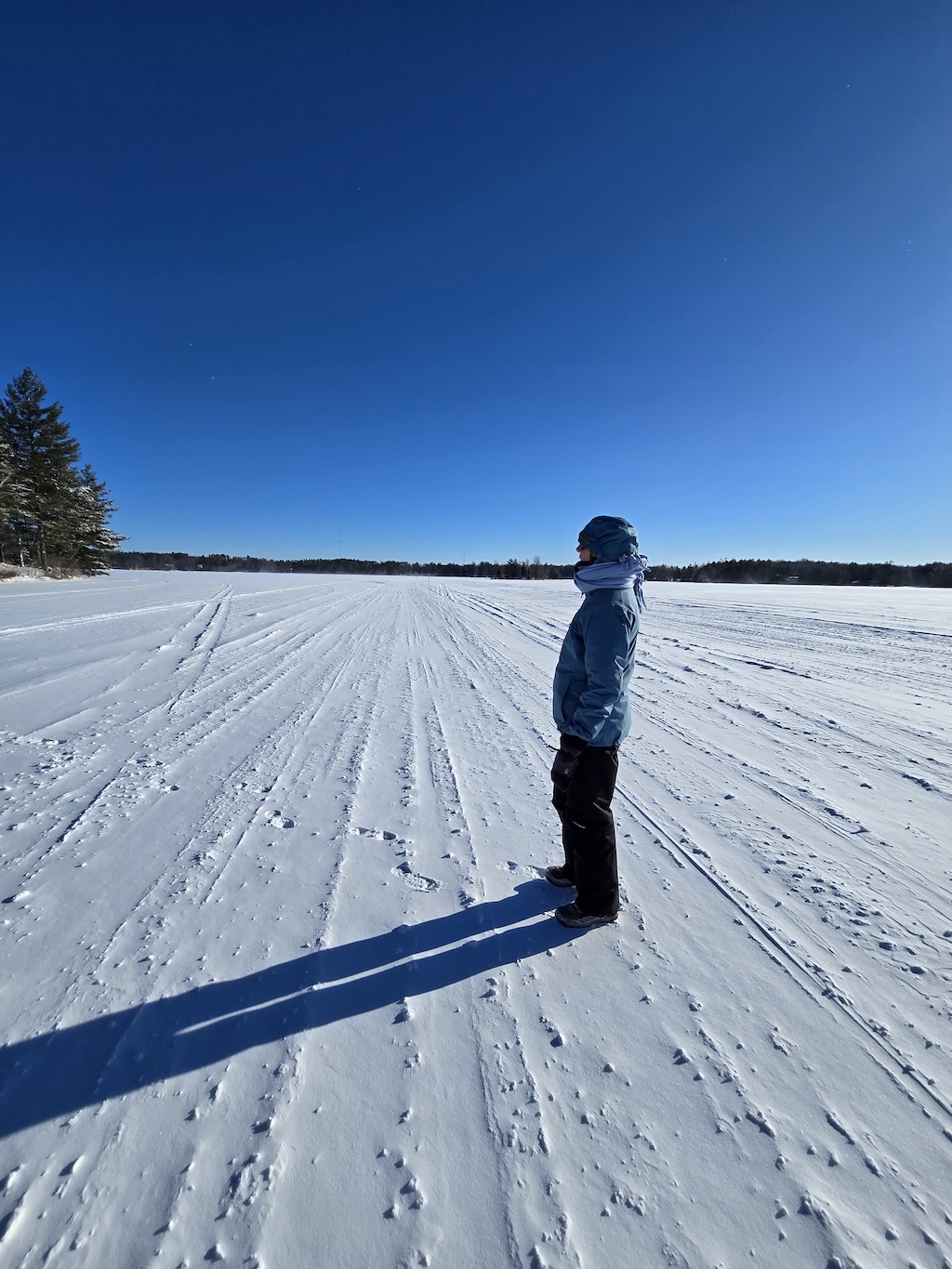
I am turning 65, still alive and skiing again

After my car accident at age 25 doctors feared I’d never walk again, after brain surgery nearly 40 years later, they thought I would be lucky to use my limbs properly.

After countless hours of medical treatments, therapy and hard work, I cross-country skied again. I fell in love with the sport, inspired by my Scandinavians ancestors, who invented cross-country skiing centuries ago to circulate across mountains in winter. It reminds me of my forefathers born on the fjords in Northern Norway where reindeer run wild and Laplanders reign, where nature and its preservation is a God given right and obligation.

I was never an adept skier. I am even worse now. From a distance I look more like a wobbly stork than a Scandinavian savant. I huff and puff around each bend. I remove my skis when I can non longer duck waddle up the steep incline. My fear of falling defeats the fun of gliding downhill. I also take my skiis off to walk down any incline. At sharp bends at the end of slopes, I collapse sideways halfway down the slope. Better to fall gently, but awkwardly on my own terms, then crashing out of control.

I spend a lot of time putting on and taking off skiis. But that is the beauty of cross country. Everyone can go at their own pace.

When I moved to Switzerland, the land of ski, no one believed me when I told them, I don’t know how to ski. I have reached an age where I am afraid to try downhill, not so much due to my numerical age, but to my spinal age from years of abusing my body on a basketball court, a bike accident, a car accident left me ever feisty, yet fragile.

I can still remember the first time I went skiing with a teammate on the golf course of Illinois State University. I’ll never forget the wrath of my coach when I came to practice with a twisted knee after tumbling down the slope on the 9th hole.

Skiing for a DI basketball players may be taboo in Illinois, but not in Switzerland. The basketball season takes a back seat to ski season. When my star Swedish center insisted on hitting the slopes a week before our European championship, I went ballistic.

“Don’t worry Coach, “ she assured, patting me on the back, “I never get hurt. I was born on skiis. To me it is as natural as breathing.”

That maybe true for some Scandinavians, but to those ancestors of immigrants, it is still a challenge.

Yet, when I glide around another hairpin turn, my shoulders pull on poles propelling me forward, mountains whiz past in my peripheral vision, and I feel euphoric. As I weave through the fresh powder in forests full of snow sprinkled evergreen, I hear the call of a coyote and inhale the crisp, clear mountain air.

And I feel lucky to be alive.

Never mind that an hour later, my muscles will lock up from the pain of fibromyalgia. Knots will form in shoulders. My neck, hips and low back will ache. Knifes will stab my knees every step I take. I will lie flat - a hot water bottle on my upper back and ice packs on my knees - and close my eyes. I see a sheer, jagged mountain peek pointing toward turquoise skies, icicles hanging from the rooftops of red shuttered wooden chalets in an incredibly beautiful tableau of whiteness. I am blessed to be here in the land of mountains and water where the skies meet the heavens in Switzerland.