Happy Birthday to Me, E.T.

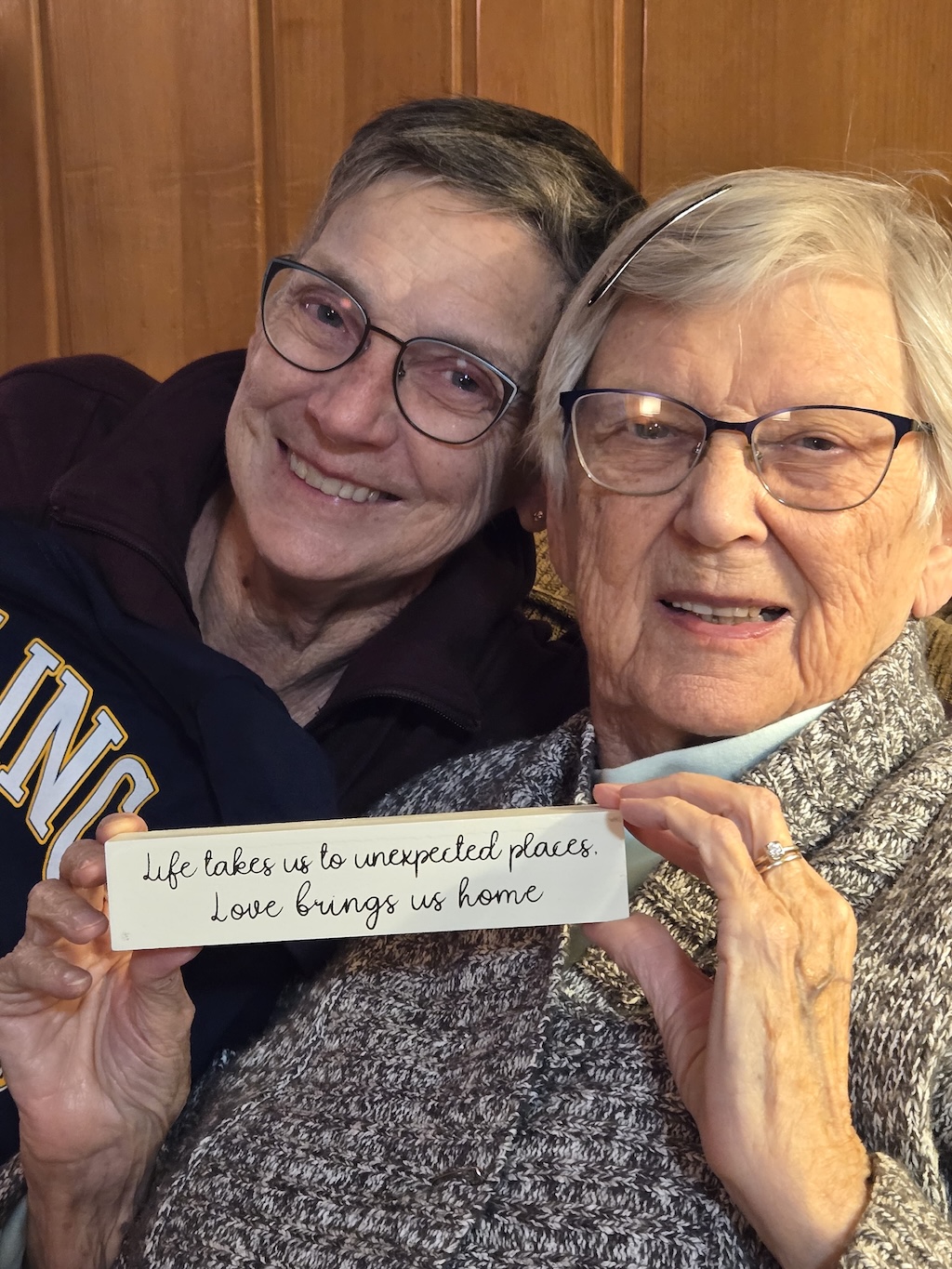
Oh dear, how do I tell my 91-year-old mother that she gave birth to an extraterrestrial being? What else could explain my extraordinary quirks, peculiar ailments, and uncanny ability to survive against all odds?

I’ve recovered from accidents that no mortal should have survived. I suffer from maladies so bizarre that no one has ever heard of them before.

Then again, how many people survived a rabid skunk bite as a toddler and lived to tell the tale?
My latest episode involved the right side of my mouth festering until my gum line resembled the embers of a dying fire. A thread under my lip pulled my gum away from my tooth, exposing the root.

My Swiss dentist pried open my mouth and exclaimed in awe, “Très intéressant! I’ll do a frenectomy!”

Frenectomy?

In the past, when diagnosed with other strange ailments, I had no idea what my American, French, German, Greek and Swiss doctors were talking about.

I’ve always been different.

After all, I was born in Sandwich.

“Which kind? Baloney!” friends teased.

According to my mother, I was the only planned baby of her four children.

Good grief! Who in their right mind would have planned to birth an extraterrestrial being?

Fortunately, back in Sandwich in 1957, I was a bargain baby! The doctor who delivered me charged my folks only 50 bucks.

Since then, I’ve cost a fortune!
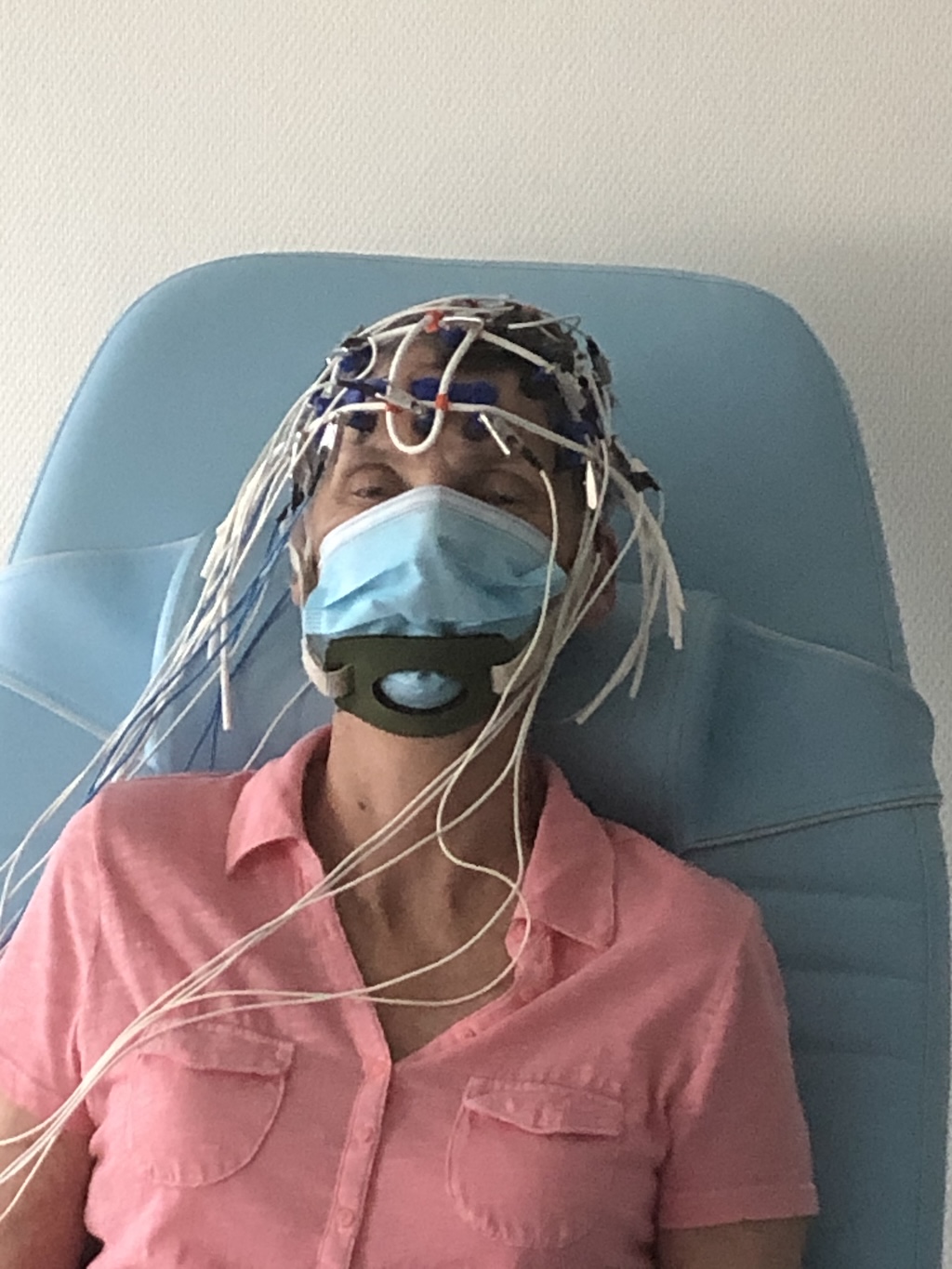
Braces, glasses, orthodontia, orthotics, and umpteen surgeries. Disintegrating discs, temporal mandible dysfunction, neuroborreliosis. I had strange conditions before they became common knowledge. My treatments, considered controversial quackery at the time, have become part of standard care, like chiropractic and TMJ dental treatment.

Why me?

Blame it on that rabid skunk bite!

My poor mother! How did she survive my childhood?
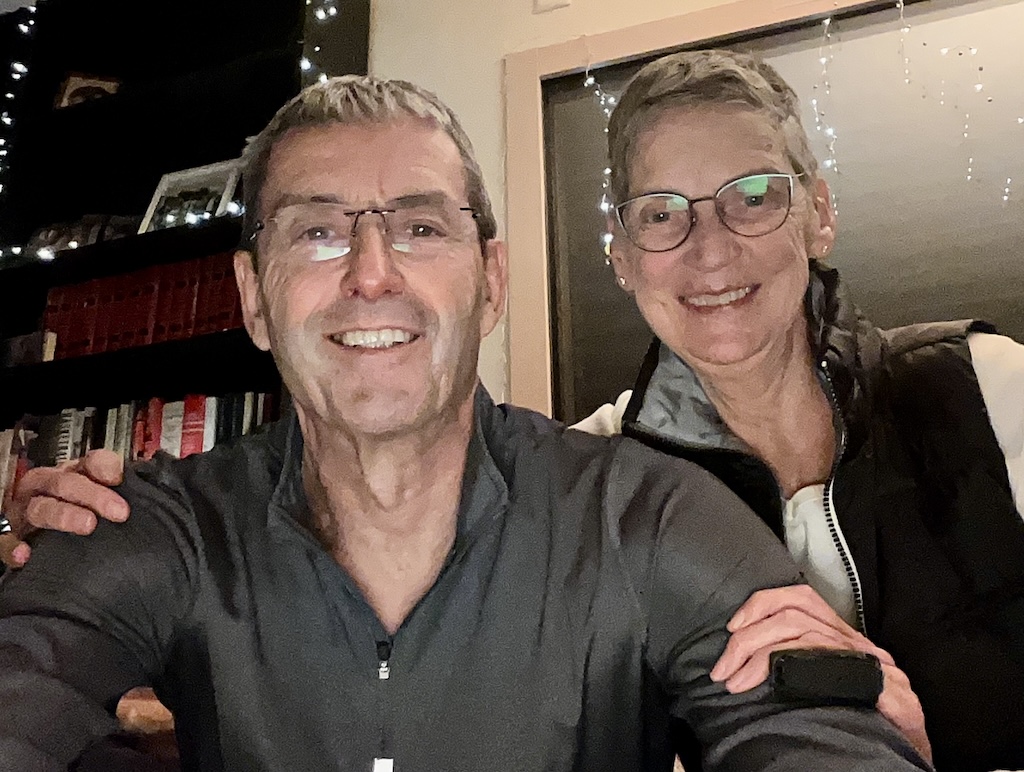
My poor Frenchman! How does he endure my adulthood?

After each calamity, he picked up the pieces, paid medical bills and waited for me to heal. With his help, I am still ticking, albeit slowly.

Today, doctors suspect I was born with Ehlers-Danlos Syndrome (EDS). EDS? Huh? It’s part of a group of genetic connective tissue disorders, which could help explain
my proprioception issues and propensity for falls.

We’re all unique beings, trying to move forward, stay strong, and beat the odds.

No one chooses their family, the genes they inherit, the beliefs they assimilate, or where they grow up. No one can predict what physical, emotional, and mental challenges they’ll face.

Wouldn’t it be easier if we didn’t see ourselves only as Democrats or Republicans, Americans, Europeans, Asians, Africans, Indians, Australians, Muslims, Jews, or Christians?

Could we live better harmony if we didn’t identify so much with one religion, nationality, race, or ethnicity, but more as tiny specks in the universe?

What if we all came from somewhere beyond Earth?

How’s this for conspiracy theory?
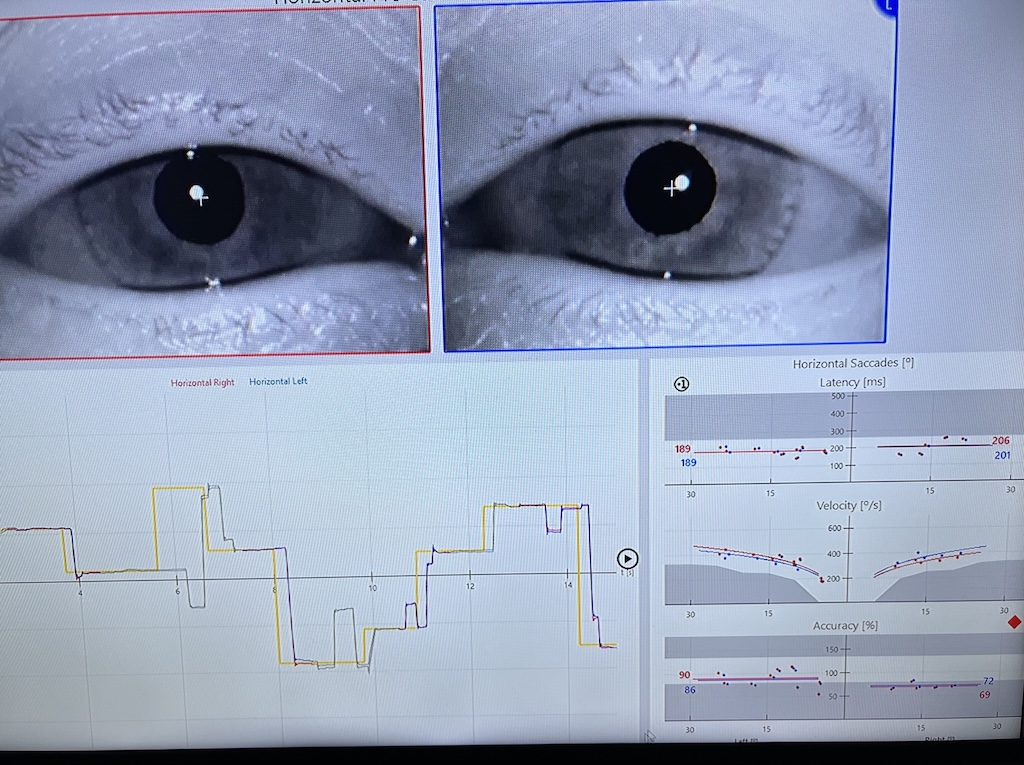
What if we’re all aliens?

Who knows?

I am here still questioning, still yearning, still learning.

Time is running out. I may never get it right. For now, I exist in a state of grace, warts and all, grateful to be here even during these troubled times.


Thank you, my beloved mother, for bringing me into existence and guiding my path!

Merci mille fois mon courageux français for staying by my side.

Happy Birthday to me, E.T.
The Malt Shovel Pub — A Pet Parrot, A Mascot Dog and Stories A-Go-Go

The ol’ pub (aka public house) has been a part of British culture for centuries.
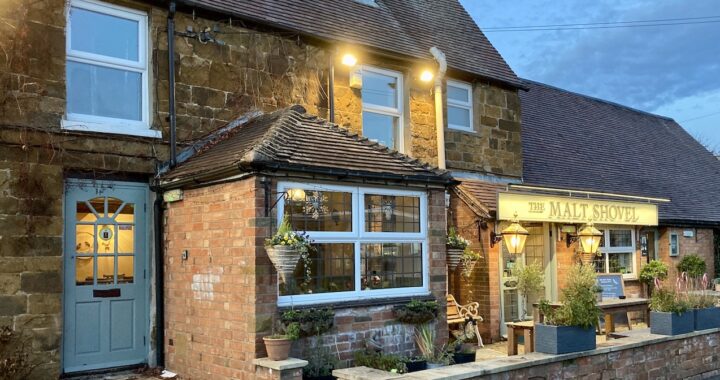
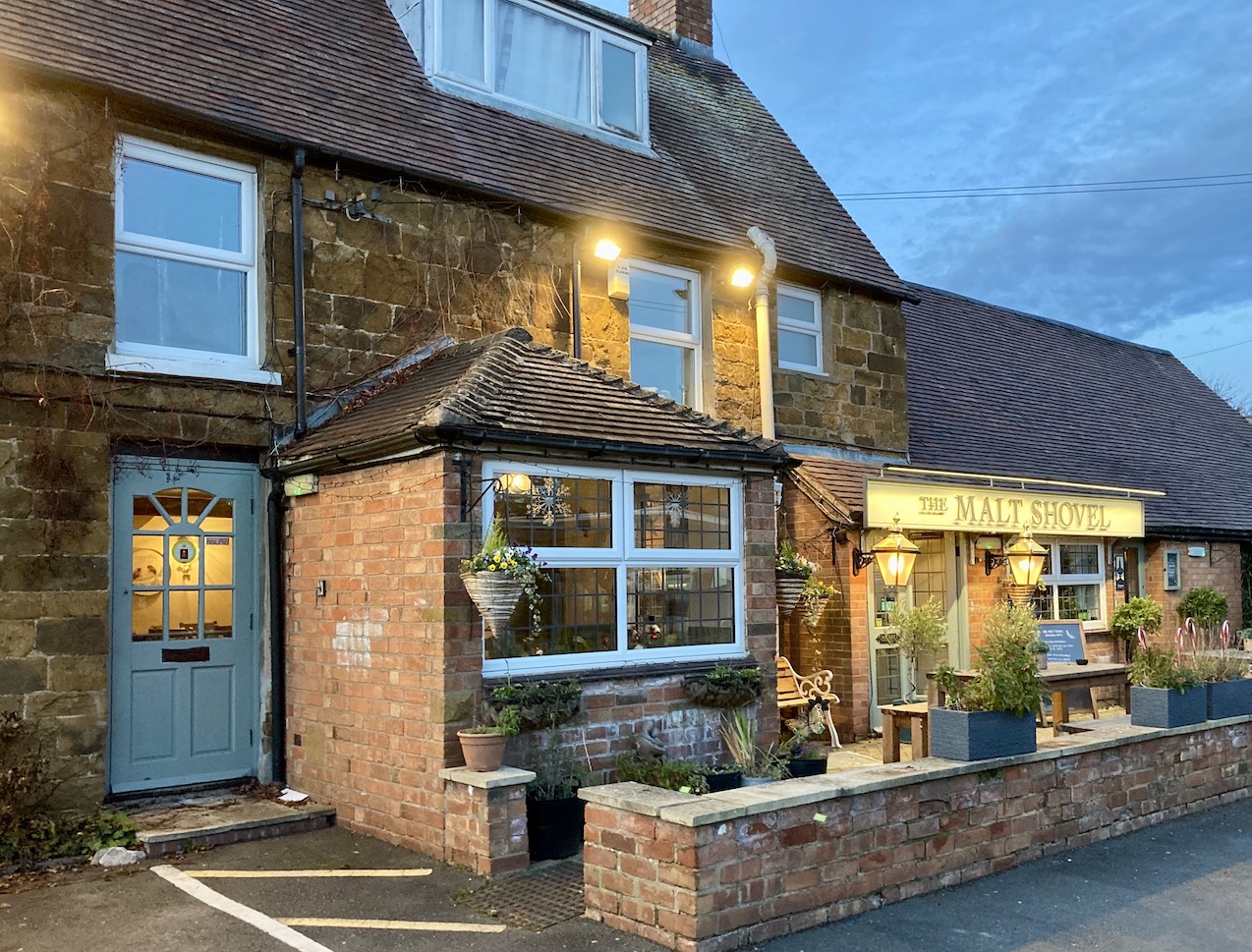
England is known for its cozy and welcoming pubs; the best pubs create a sense of belonging, a place to be that isn’t home, but can become like a second family. Gaydon’s eclectic Malt Shovel is no exception.

The altered building, made of Hornton Stone, an ironstone found nearby on the Burton Dassett Hills, was first referenced in 1849 as an unnamed beer house. In 1874, it became known as the Malt Shovel when it was licensed to Robert Ayres.

Just off junction 12 of the M40, the Malt Shovel, opened daily, serves fresh, locally sourced food and a wide selection of cask ales, lagers, wines, spirits and soft drinks.

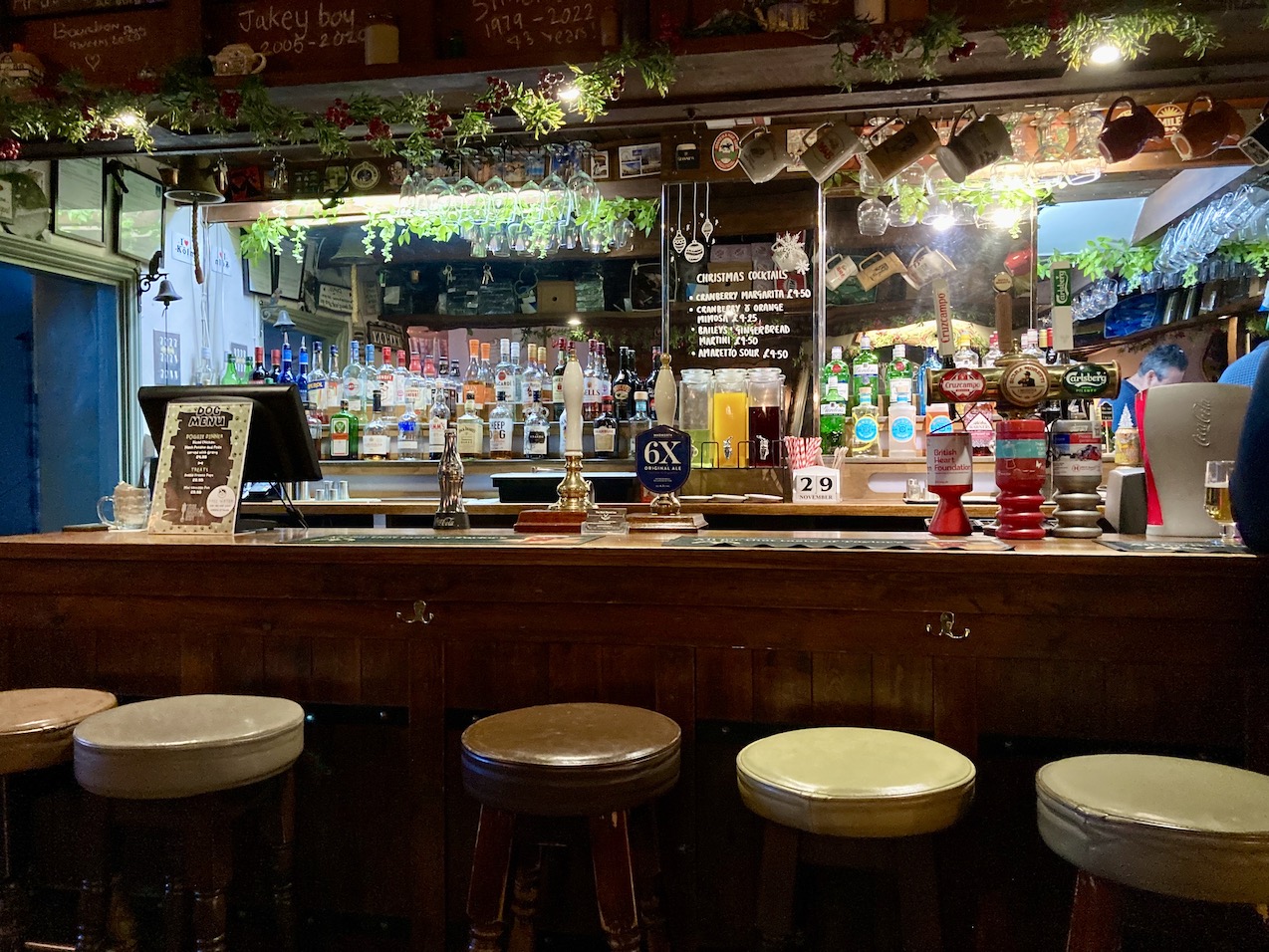
Everyone is welcome here including four legged friends. Though tolerated in many pubs, at The Malt Shovel, pets are offered their own doggie menu.

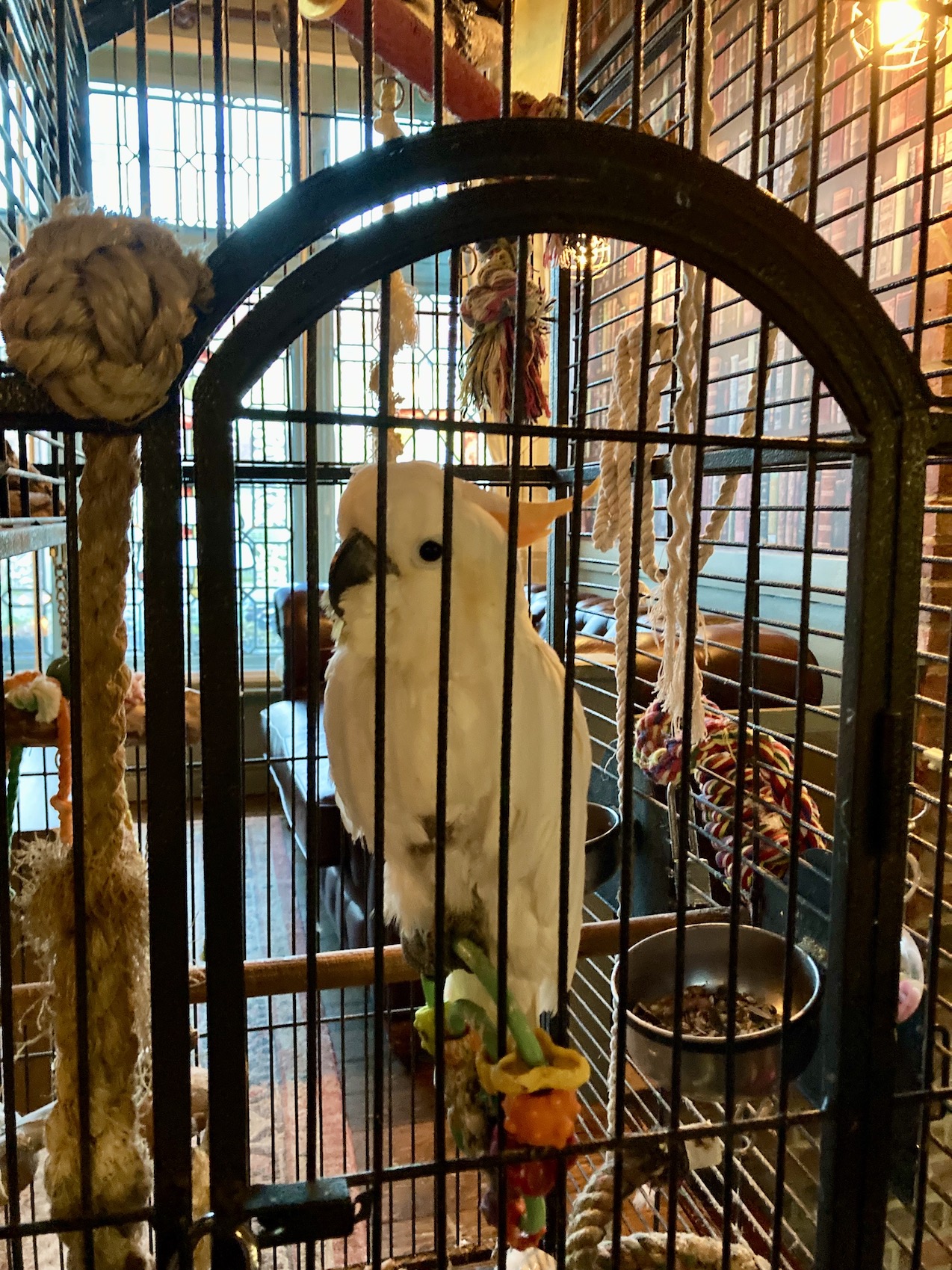
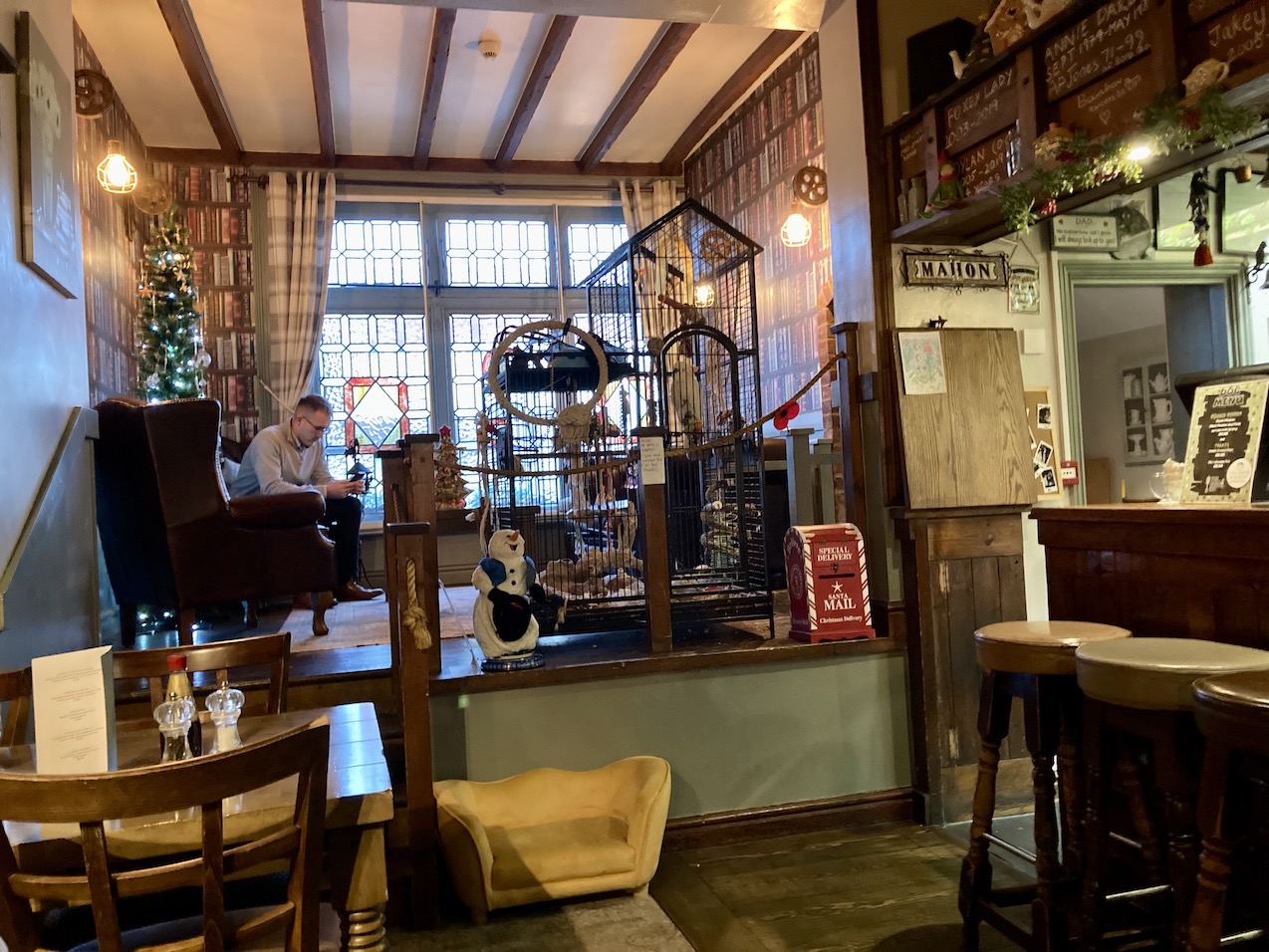
The pub has so many personal touches — a cozy, reading corner on a deck, stained glass windows, its’ own mascots, a parrot, a miniature schnauzer and knick knacks galore.

In addition to the special doggy menu, the proprietors’ humor can be seen in the proposed children’s menu.

  1. -I don’t care (chicken nuggets, skinny fries)
    -I’m not hungry (bangers & mash)
    -I don’t know (chicken nuggets, fries? whatever (burger, skinny fries)
    …all served with choice of beans or peas) bubble & steak, homemade pizza

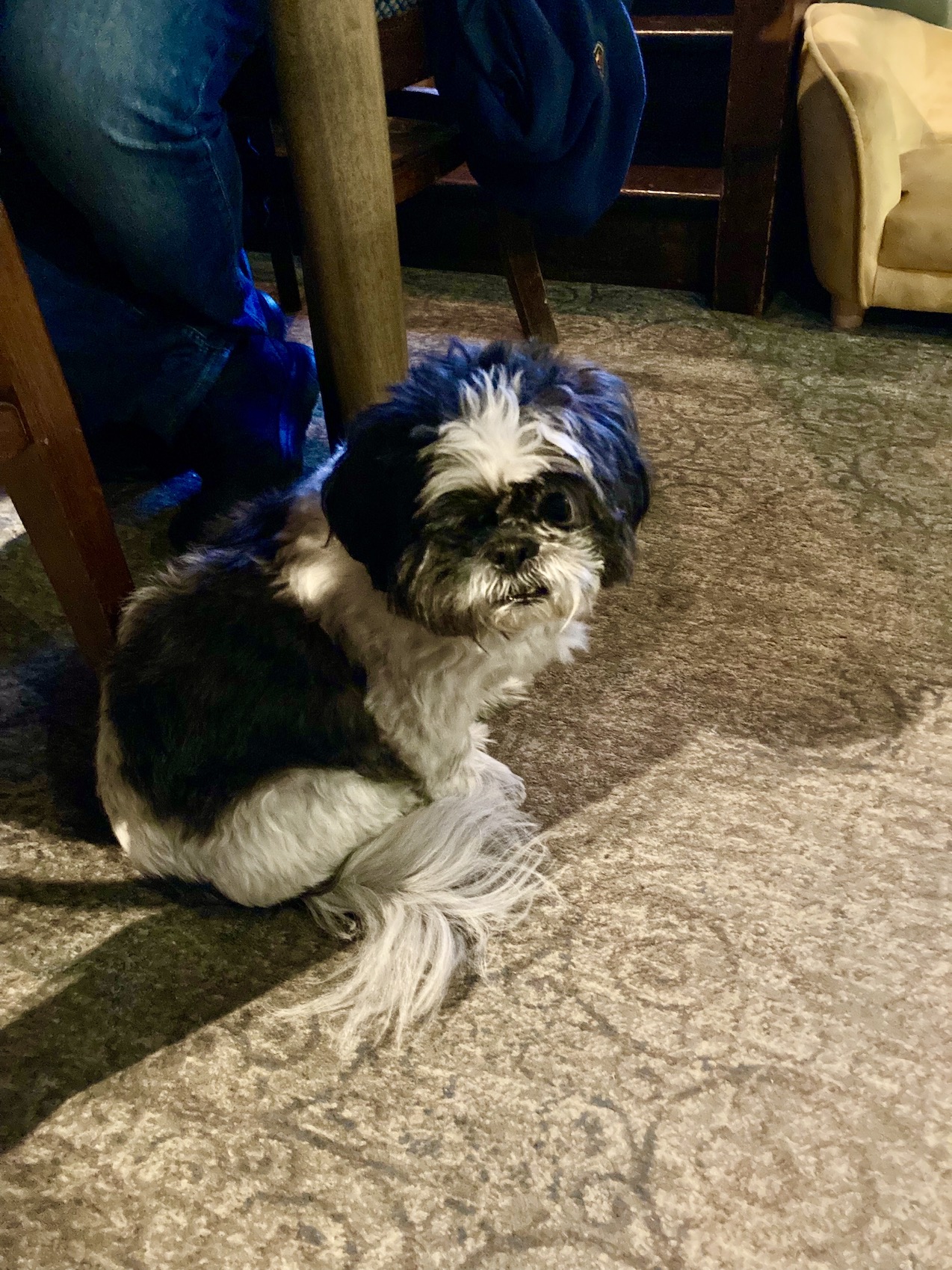
When we stopped in for a drink, the man at the table behind us was sneaking fries to the schnauzer waiting patiently beside his table.

“Can I take a picture of your dog?” I asked.

“Of course,” the man said and chuckled, “but Belle’s not mine. She belongs to the pub owner.”

Sure enough, the little, gray and white dog had his own doggie couch where he could reign over the bar.

The man, a friendly trucker, pointed to the names written in chalk on wood beams around the bar,

“See the names up there?” He explained. “They were people who worked for JLR (Jaguar Land Rover) engineering centers at the edge of Gaydon on the land that was once an air strip of the RAF.”

Many of the patrons lining the bar look like they just finished a work shift and stopped in for a quick pint on their way home.

The charismatic pub was cozy and charming. Gemutlich. Nicknacks decorated the walls, including a tea pot collection.

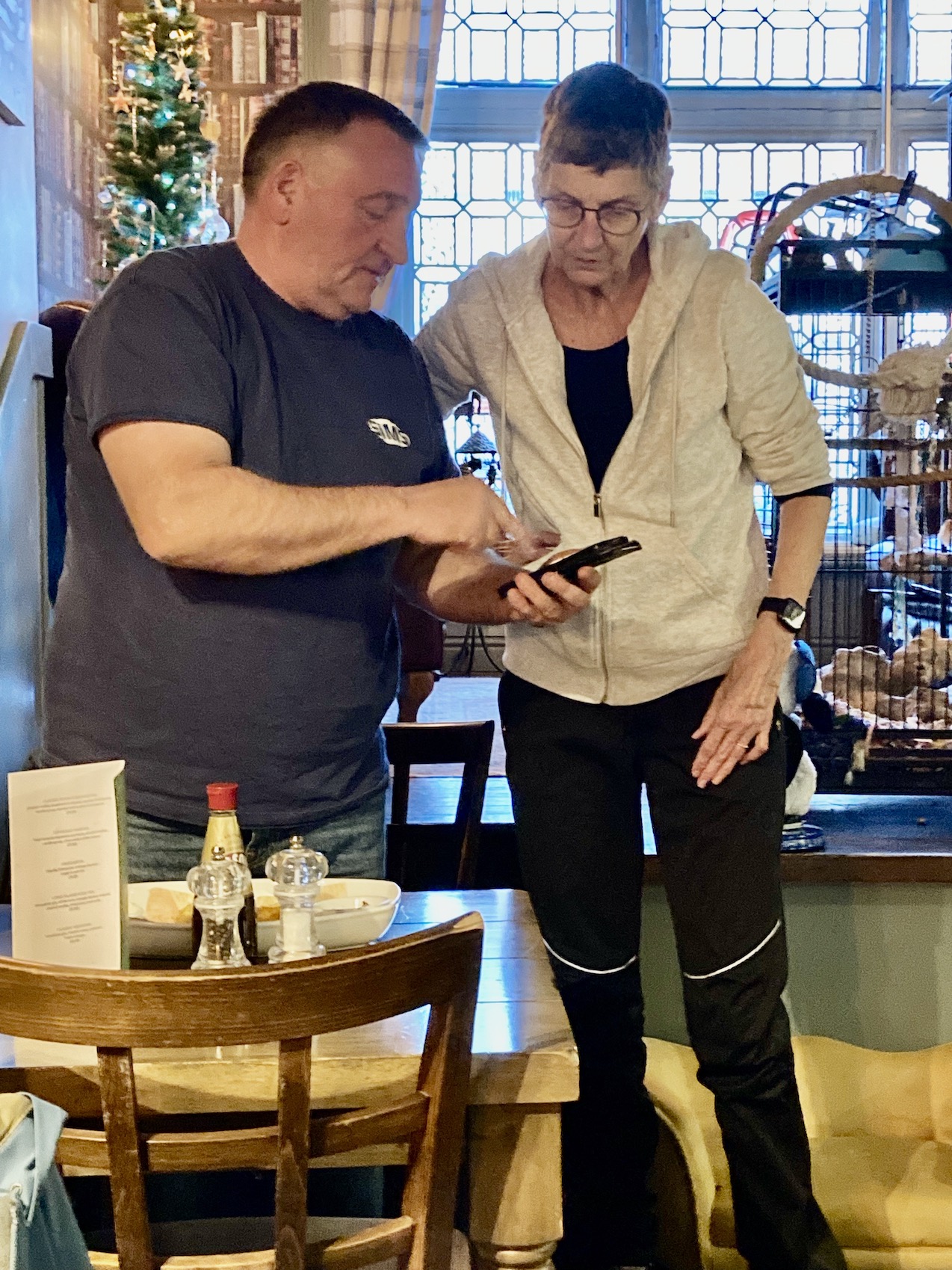
“Where you from?” The trucker asked.

“Illinois,” I told him and then added, “My husband’s French.

“Where about in France?” he asked Gerald.

“Normandy on the coast.”

“Ever heard of a tiny place called Trouville?” the trucker asked.

Gerald about fell off his chair. “That’s where I grew up.”

“ I hauled a load there,” the trucker said.

“What do you haul?”

“Blacktop and gravel when they strip the road to repave.”

“What kind of truck you drive?”

He pulled his phone out and showed me pictures of his rig.

“Drove all across France, but grew up in Warwick,” he said, “Now I live in Casablanca. When I’m on the road, I live in my truck.”

As we were leaving, I thanked the bartender and told him, “We’re just visiting, but our son and daughter-in-law moved to the area.”

“Oh I know them,” the bartender said, “they live across street from me!”

It’s a small, small world!

In the spirit of the ol’ English pubs, The Malt Shovel unites people still today.

Jump Start Brain and Body – Learn a New Sport

Feeling old, achy and foggy brained? Experts say learning a new skill is recommended for our rusty bodies and aging brains. For me, relearning old skills is equally valuable. It is never more important than after suffering a traumatic brain injury (TBI) which can effect spatial awareness, balance, proprioception, executive function, listening, speaking and emotional stability.
Like so many people after injury, illness and accidents, I was forced to reframe my life. Once I retired from playing pro ball, I dreamed would learn to scuba dive, alpine ski and surf. I’d run marathons and bike mountains.

Well, that hasn’t been an option for decades.

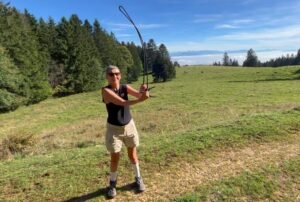
So when my chiropractor in Geneva (Switzerland) suggested that I try “rope flow” to help strengthen my core, align my back, retrain my brain to better coordinate both hemispheres and work my lazy left side, I was all ears.

In Dr. G’s office, I watched in awe as he demonstrated swinging a heavy rope around his body.

“Jump rope sans the jump for injured adults!” I said.

“Actually, a heavier marine rope like sailors use works better,” Dr. G explained. “The sailboat boutique across Lake Geneva in Nyon carries all different sizes.”

Then he went onto explain the history.

“David Weck, an American, created rope flow to help people recover rotational movement and to reinforce how we walk, run and move. Rope wave, quickly adopted by elite athletes and movement coaches, has become a valuable training tool for improving mobility symmetry, coordination and striking power.”

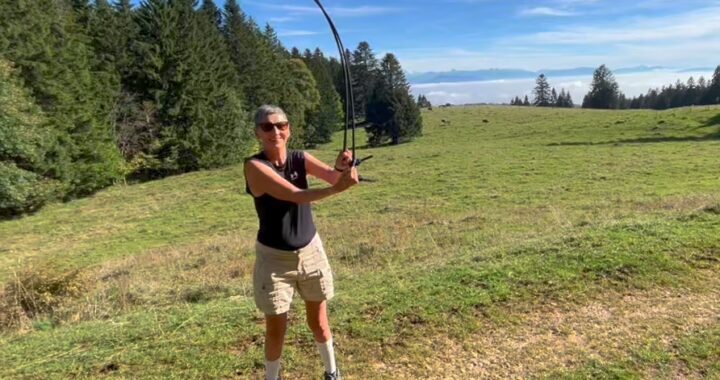
At first glance, rope wave looks easy. It’s not. It involves swinging a rope around your body in coordinated patterns like figure-eights, while shifting your weight and rotating your spine, shoulders, and hips with rhythm and control.

I was delighted to discover a game that I can play without getting hurt as long as I don’t whip myself on the back of my legs or lips.

If you perform rope flow properly, the rapid rhythm builds a smooth, effortless coordination across both sides of the body. Rope flow is symmetrical. You rotate both left and right, retraining your non-dominant side and this helps smooth out imbalances.

YouTube player

Rope flow is ingenious for its affordability, convenience, practicality and simplicity. This portable habit helps rewire the way I relate to my body. It is probably even more valuable for people like me who suffer from the effects of a stroke or TBI where message systems in the brain are damaged and to weakness on one side of the body.

After my time at the Functional Neurology Clinic in Minnesota, I learned how neuroplasticity allows the brain repair itself. After my brain surgery, messages did not get to my left side. Rope flow trains the brain and the body simultaneously and I would recommend it for anyone recovering from a TBI.

I am learning to accept my limitations, no more hooping, running, jumping. No kayaking, canoeing, golf, tennis, pickle ball or any asymmetric sport requiring lateral movement. For me, traveling in cars and planes or even sitting must be minimized.

So I was encouraged to finally find a sport I can perform with my broken body; it’s even good for me.

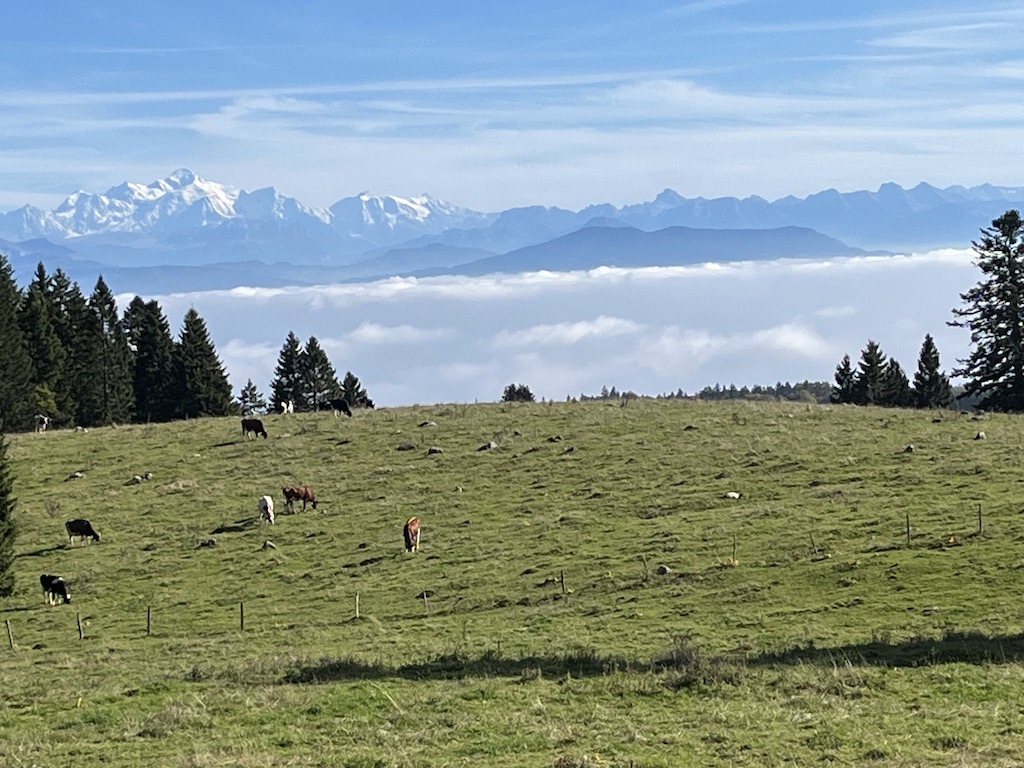
Granted I look a bit crazy, but who cares? I swing my rope, whistle like my dad used to, hang out with cows up in mountain meadows and admire the panoramic Alps.

It is highly unlikely that you can find an instructor in your area, but David Weck, Tim Shieff and other experts offer detailed videos breaking down movement into steps.

So pick up a rope, put on your favorite song and swivel those hips.

Yahoo! Clear the way! Look out! I’ll lasso you…my first dream was to be a cowgirl!

Another Accident? In a Doctor’s Office? You kidding?

Another day, another doc.

Another accident? At the doctor's office? You kidding?

What kind of a klutz am I? Was I born accident prone? Or does it go back to bad balance at my base, from toes, so crooked I could hang by them from a tree.

Who gets taken out by a treadmill in the doc office at the hospital?

At a routine checkup, I mentioned shortness of breath. My primary doctor heard a heart murmur. She insisted I follow up with a cardiologist. Pronto. Eight months later, (you know how long it takes to get an appointment with a specialist) I finally got in with the specialist.

After an EKG and a battery of tests, the cardiologists diagnosed arrhythmia in the upper and lower chambers of the heart. Then she wanted me to take a stress test and walk on a treadmill.

“I need to measure your heart beat under exertion,” she explained as she hooked me up. “Every three minutes, I will increase the speed and incline on the treadmill.”

The first six minutes, I was fine and feeling chuffed to bits. Then at the nine minute level, she cranked up thetempo.

“You still doing okay?” she asked.

“Un huh,” I grunted, huffing and puffing like a steam engine, feeling light-headed and wobbly and cursing myself. (Ever the damn athlete still competing for a better time, I continued gasping for oxygen.)

That’s enough!” the doc exclaimed, “we’ll stop here!”

I stopped.

The treadmill did not.

Before I had time to react, my feet splayed out from under me and my body pitched forward. I hit my chin, my forearms, my elbow and my knees on the rubber mat that kept rotating.

Nooooo, I’m going to be sucked up by the roller.

“Oh no, sorry madame, sorry,” the doctor said. “I am not sure how that happened."

“I’m okay,” I gasped feeling mortified. Who the heck face plants on a treadmill at the cardiologist’s?

After profuse apologies, the doctor sat me on her exam table and told me, “calm down and raise your arm.”

As she fitted the blood pressure cuff, she explained, “I need to record one more reading”.

Of course doc, my BP is too high right now, I wanted to tell her. I just survived a near death experience.

What? Am I hearing clearly. She wants further investigation.

“I am going to set you up for a heart CAT scan to check the valves and heart function and to rule out coronary artery disease,” the cardiologist said, “Don’t worry, this is routine procedure.”

Sure for someone who flunked the treadmill test.

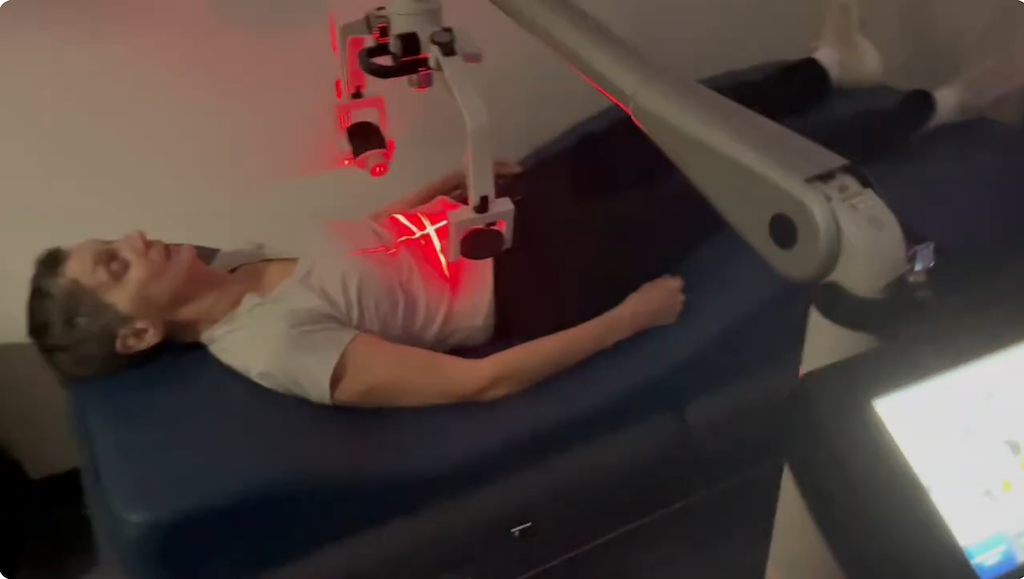
Now once again, I have to squeeze into a white cylinder the size of a toilet paper roll.

Necessary? Really? After a life time of X-rays from accidents and injuries, I am pretty sure, I glow in dark.

“Seriously, doc, “ I lament. “I don’t need more tests. I know why I am short of breath. “You try keeping up with a sixty-nine-year-old Frenchman, who thinks he is 20!”

“Yep, typical,” the hubby says, “Throws her mate under the bus.”

Again!

My First UK Walk in Wellies

I was excited as a two-year-old to take my first walk in wellies across the beautiful British countryside (I am easily amused.) Wellies, the symbol of British culture, reflect the lasting legacy of the Duke of Wellington and the term carries a sense of tradition, practicality, and British identity.

Wellies, aka. Wellington boots, date back to the 18th century. Arthur Wellesley, 1st Duke of Wellington, enlisted his shoemaker to modify a military Hessian boot. Originally designed for battle, wellies were later used by farmers and outdoorsmen.

In the early 19th century, they became a staple of practical foot wear for the British aristocracy and middle class and a popular choice for various occasions, including evenings out.

“Everyone in England has a pair of wellies, “Larissa explained. “In the UK, the public has the right away to cross the fields. It’s known as Public Bridle Way.”

When our son, Nic, bought me a pair, I thought they looked so chic that I could wear them as dress boots, which many people do these days. Wellies evolved from being purely functional to becoming fashionable accessories with many brands offering trendy designs, colors and styles.

“Don’t you have wellies in the US?” my British daughter- in-law asked surprised at my exuberance.

“In the Midwest, we swap out tennis shoes directly for winter boots,” I said, “Only thing close to your wellies was the clunky, buckle up galoshes we wrestled on over shoes in grade school.”

The British waterproof gumboots are usually made from rubber or PVC. Traditionally Wellies come in black, olive green, tan color or print and hit just below knee level.

Walking in wellies looks simple, but it takes dexterity. Larissa’s family maneuvered the rough terrain far better than me or Gerald. Could advancing in gumboots be skill passed down from one generation to the next?

Fortunately, before we left home, Larissa advised, “Wear heavy socks to prevent blisters.”

“Slip your orthopedics inserts in the boots,” Nic, the chiropractor added. “It may help your back.”

Nothing helped my spine; I winced every step forward. The UK family, even Lari’s sister lugging her ten-month-old child in a baby carrier, glided across the uneven terrain gracefully. I lumbered along behind, as if on two left feet, stumbling every step of the way.

Wellies, designed to protect feet from getting muddy or wet in damp environments, are the quintessential symbol of British footwear. To the non native, they feel awkward and offer little support for someone with like me with crooked toes, poor balance and a bad back.

Today's wellies, with varied color options and patterns, permit people to add personal style to functional footwear. They can be paired to match every outfit and occasion.
But no one wears wellies with greater style and aplomb than five-year-olds. Larissa and Nic’s nephew mastered the skill. In his “dinosaur” wellies, with a jagged flap along the spine of boot, he galloped ahead, circled back and jumped in every puddle along the way.

For me, slipping on a pair of “wellies,” sloshing along the sublime English countryside and singing with our UK side of the family made me feel like a kid again.

Happy New’s Year Eve 40th Wedding Anniversary

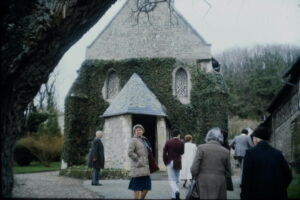
Forty years ago on New Year’s Eve 1983, I said, “I do,” in a seventeenth century chapel in France, not far from the famous WWII Landing beaches. What are the odds of a small town girl from the cornfields of Illinois meeting a French boy raised by the sea in Normandy?


Where else could we have fallen in love at first sight?
At a basketball game in Paris, of course!

We had just lost the finals of the French championship by one point. I met Gerald in the aftermath, so he witnessed my storm after a big game loss. He asked me out anyway.

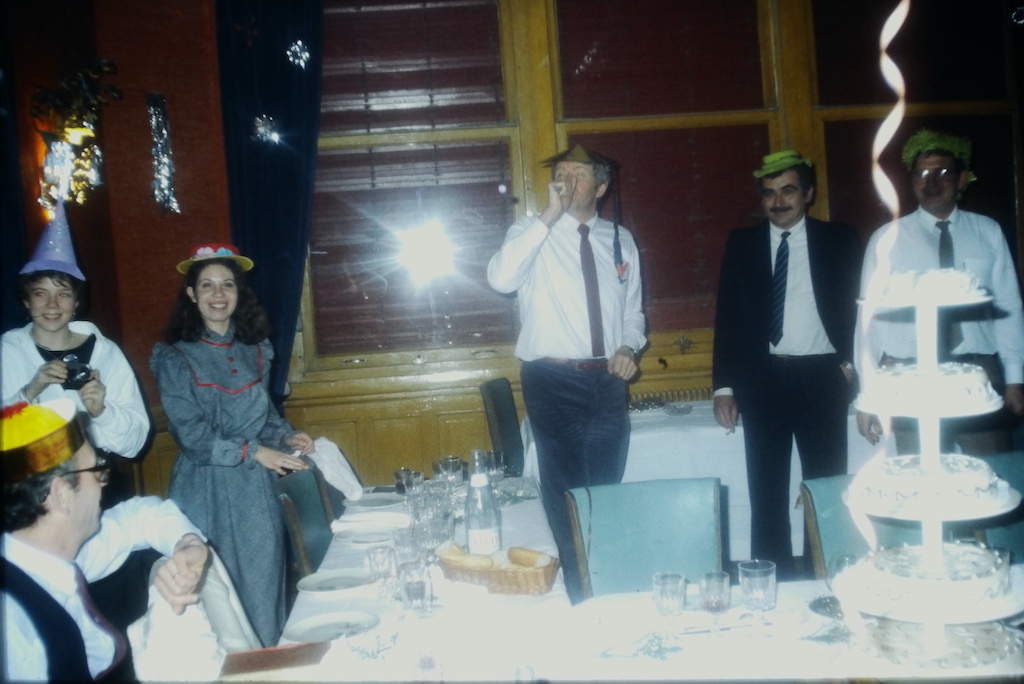
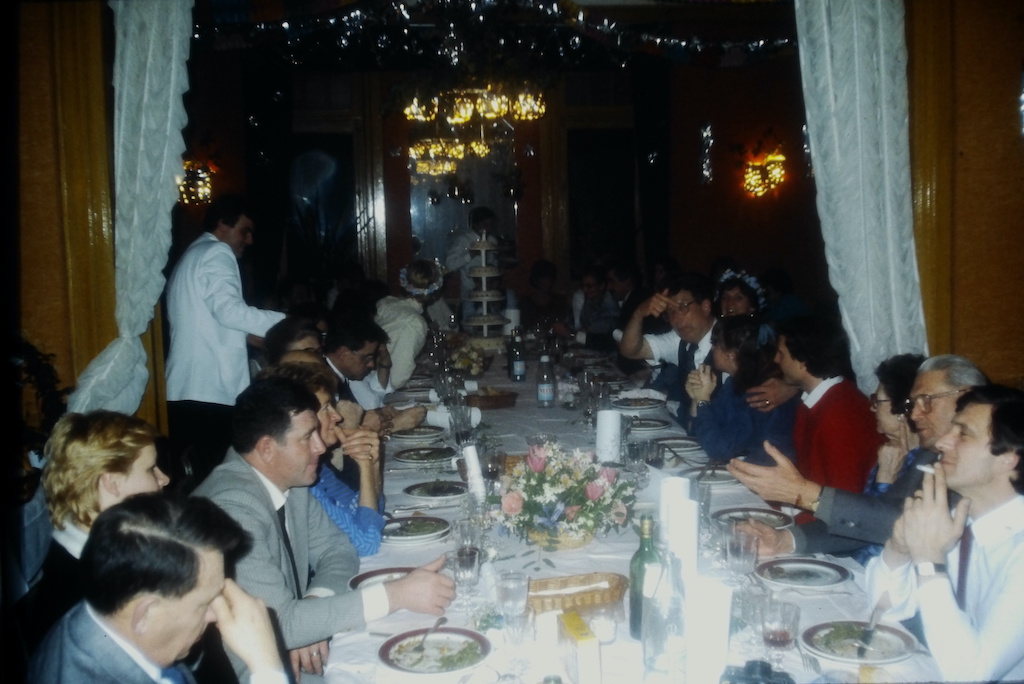
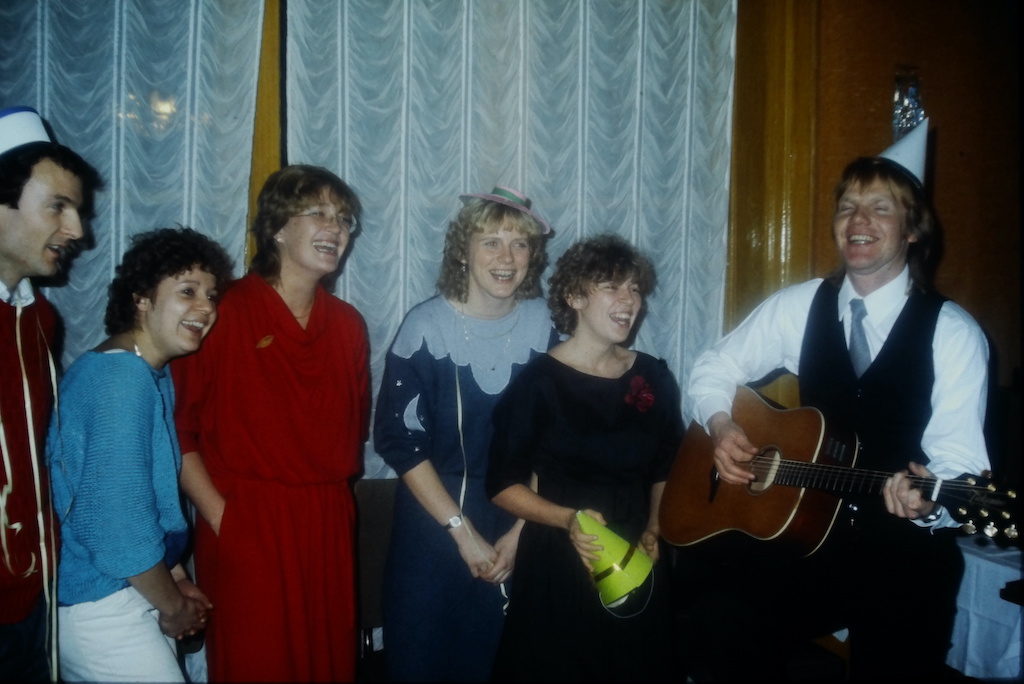
Our wedding feast, so French, pheasant pate, fish in cream sauce, "trou Normand" sorbet, leg of lamb and pastries, with different wines and alcohols went on for hours. When the clock struck midnight the crazy uncles handed out party hats and pea shooters and turned the event into a New Year Eve party.

We had no clue what we were getting into.

Challenges await across cultural marriage…endless official legal paperwork, les faux pas, the misunderstandings, the sacrifices, the compromises.

Opposites do attract. Gerald was a steady, pragmatic, realistic businessman with his feet planted firmly on the ground; I was an intuitive, impetuous, irrational dreamer living in the clouds.

But we were so alike in other ways. Both of us are ultra competitive, hyper-intense Type A’s. Our arguments could rock the roof off our old apartments in Paris, but though we do disagree at times, we are also fiercely protective and supportive of one another’s goals.

Together we endured heartbreaking losses — my career ending car accident, my miscarriages, my brain injury.

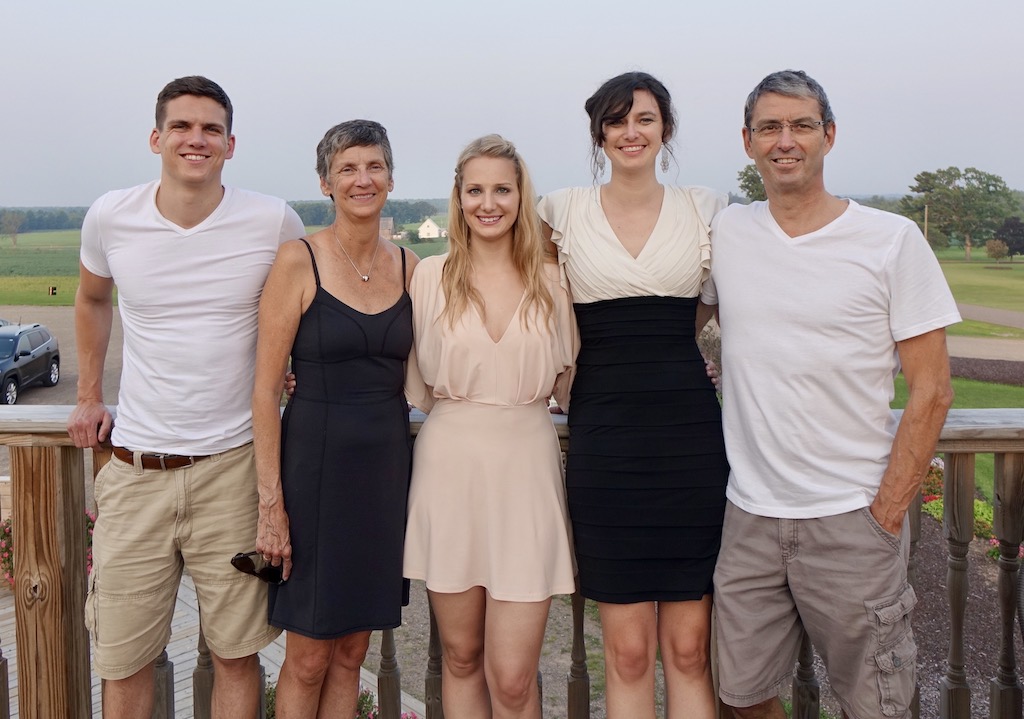
But our rewards were great; none greater than watching a bright, adventuresome daughter and a clever, witty son grow strong on basketball courts across Switzerland and go onto become doctors.
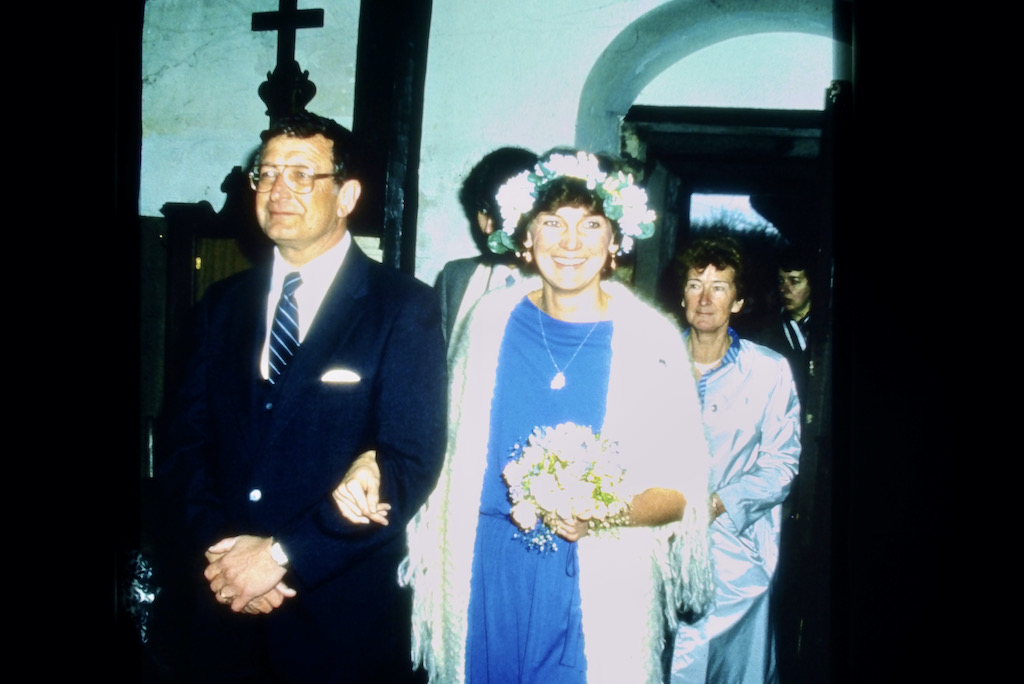
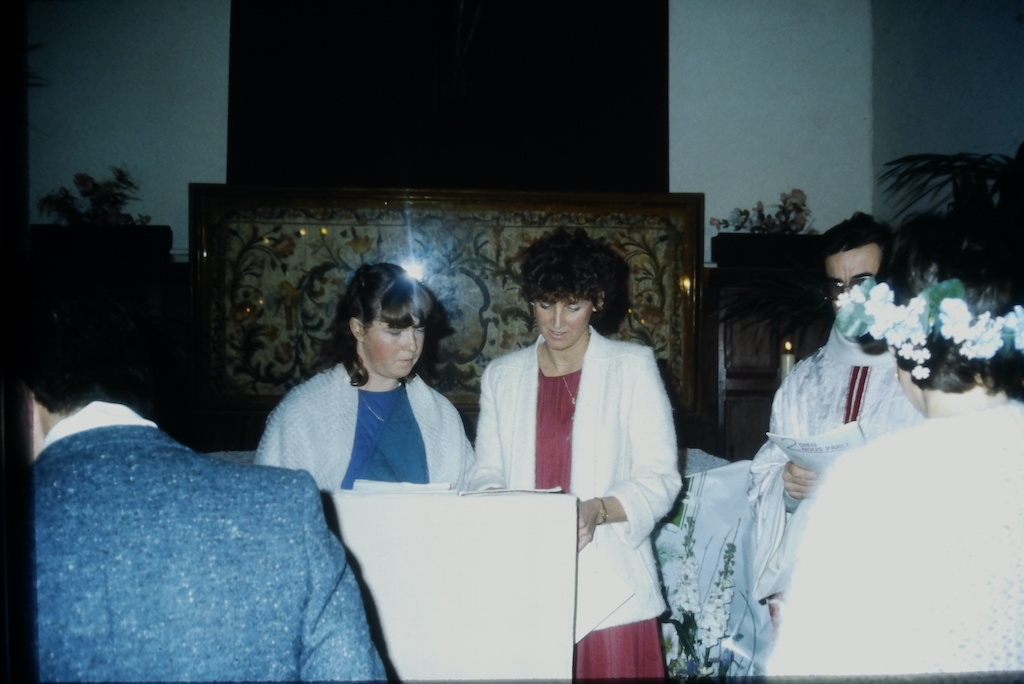
Gerald is so dependable, loyal, trustworthy, a man of integrity, but equally intimidating with his French sarcasm and quick temper. I am an overly emotional writer type that wears her heart on her sleeve.

Gerald, not a big talker, is the strong silent type. I compensate for his lack of verbosity by babbling nonstop.

I stood by his side when we laid his parents (our dear Papie & Mamie) to rest; he cradled my heart the day my dad died. As the years go by, we appreciate even more how much grandparents enriched our children’s lives and our own.

Though getting from one continent to the other has never been easy, we shared the best of both worlds. I learned to savor his French family dinners that went on for hours, he grew to appreciate my Midwest America at its best — corn on the cob and backyard BBQs.

We learned to compromise. He’ll never love burgers, but found a recipe for meatballs with ground beef that he enjoys too. I’ll never appreciate fois gras and raw oysters, but I savor the French art of savoir-faire when it comes to fine dining.

Over the years our love grew stronger strolling the beaches of his homeland Normandy and walking through the woods of our family cabin in Wisconsin, traveling throughout the Old World and sharing the bench on basketball courts, cheering on many kids, our own and others.

Whenever I crawled in despair, ready to give up, he pulled me back up on feet and encouraged me to keep fighting. When my book, represented by 3 agents couldn’t find a home, he made sure my story got published. When the school where I taught and coached wanted me to be a keynote speaker at graduation, he persuaded me to rise to the challenge. After my brain surgery, when I feared my words would jumble, he urged me to speak at Illinois State University’s Title XI celebration as a part of US women’s athletic history.

I supported him through seven different moves from assistant director to CEO, helping our kids readjust and remaking our lives.

He applauded my success as a coach and supported our children by volunteering as a score table official and team chauffeur.

On our wedding night, we united different generations of American, French and Germans, once enemies, to a shared table in Normandy, in the very land where their countries had fought each other. In our marriage, raising two bicultural, international kids as global ambassadors, we always strived to bring people together.

Gerald made me a better me. After forty years of triumphs and tribulations, I helped bring out the best in him. We became more together, than we could ever be alone.

I raise my glass to us, and to our family and friends around the globe!

Happy New Year!